Restaurant growth in 2026 does not mean operator comfort. In the US, projected sales sit beside heavy cost pressure; in the UK, employment costs, rates and energy continue to test viability. This article argues that margin management has become a design discipline rather than an emergency finance exercise. The strongest operators are not cutting blindly. They are rebuilding menus, labour deployment, dayparts, events and technology around sharper contribution and clearer value. For chefs and owners, the question is no longer whether costs are rising. It is whether the restaurant can protect the parts of hospitality guests still remember while removing the friction, waste and low-yield complexity they do not.
Highlights
- Growth does not remove margin pressure; it can hide it.
- Menu engineering is now a guest-experience discipline, not only a spreadsheet exercise.
- Labour strategy must be designed around service value, not only wage control.
- Technology deserves budget only when it improves decisions, conversion or operational control.
- The best operators cut confusion before they cut hospitality.
The pressure map is no longer a mood
The restaurant industry enters 2026 with a contradiction operators know well: demand has not disappeared, but comfort has. In the United States, the National Restaurant Association projects restaurant and foodservice sales of $1.55 trillion and more than 100,000 additional jobs in 2026, yet it also reports that more than nine in ten operators identify food, labour, insurance, energy and swipe fees as significant challenges [Brief-02]. The headline is growth. The experience inside the P&L is pressure.
That distinction matters. A full dining room can still hide weak economics. A menu can look successful while its most popular dishes carry the lowest contribution. A service can feel busy while staffing, card fees, waste and discounting quietly strip out margin. This is why margin management has become one of the central management disciplines of 2026. It is not a finance exercise that happens after service. It is the operating logic behind the menu, the roster, the calendar and the offer.
The UK presents the pressure in sharper relief. UKHospitality’s 2026 survey warned that April cost increases would force many businesses to cut jobs, cancel investment or reduce trading hours [Brief-03]. The message is not that the UK and US are identical markets. They are not. It is that margin pressure has become structural enough to shape strategy on both sides of the Atlantic.
The operational responses that actually work
The strongest operators are not responding with one dramatic move. They are rebuilding the business through a sequence of smaller, measurable decisions. The first is menu architecture. A menu written around what the kitchen loves to cook is no longer enough. Each dish needs to earn its space through contribution, prep burden, speed of execution, product volatility and guest understanding.
That does not mean flattening the menu into safe, low-cost items. It means knowing which dishes are allowed to be generous, which should carry prestige, which need portion redesign and which should disappear because they are loved by the chef but not by the numbers. A restaurant should be able to identify its margin engines, its brand-defining dishes and its operational liabilities without guesswork.
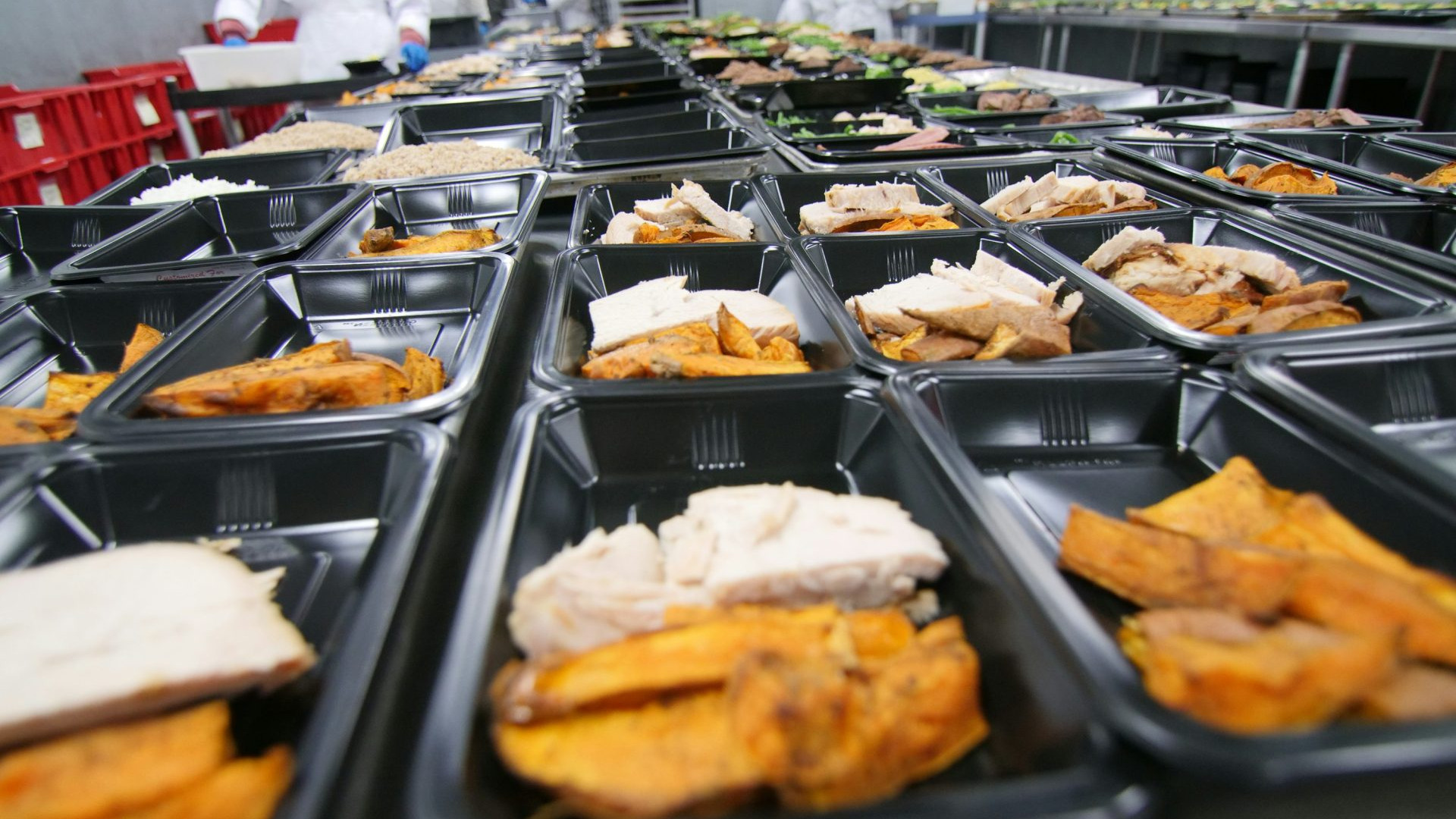
The second response is labour deployment. Labour cost is too often discussed as if it were only a wage line. In practice, it is a service-design question. Which hours need senior staff? Which tasks require craft? Which routines can be simplified without reducing hospitality? Which low-yield dayparts are kept open because of habit rather than profit? These are not abstract questions. They decide whether a restaurant protects quality or simply asks a stretched team to do more with less.
Technology can help, but only when it replaces friction rather than adding reporting theatre. Deloitte’s restaurant work frames technology as part of resilience: better forecasting, richer customer data, automation of repetitive work and systems that help operators manage complexity [Brief-04] [Brief-05]. The useful test is simple. If a tool does not improve scheduling, purchasing, guest conversion, speed, forecast accuracy or decision quality, it is not margin management. It is another subscription.
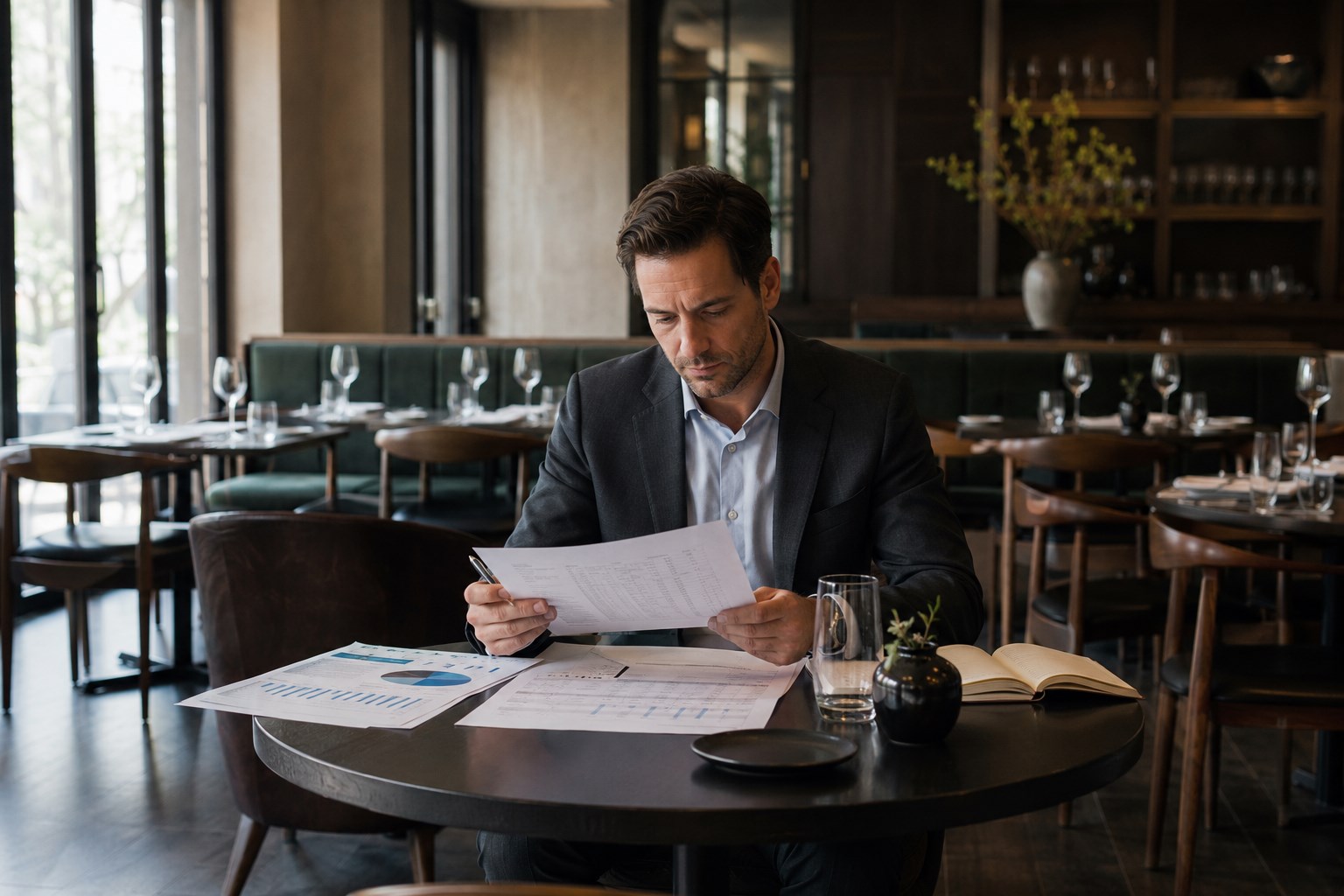
Image source: CHEFS MAG archive — original credit not recorded.
Menu engineering is now a guest-experience discipline
The phrase “menu engineering” can sound cold, but the best version is not cold at all. It is the discipline of protecting the guest experience by understanding what each choice costs, earns and communicates. The chef still decides what the restaurant believes. The operator must know what that belief costs to deliver.
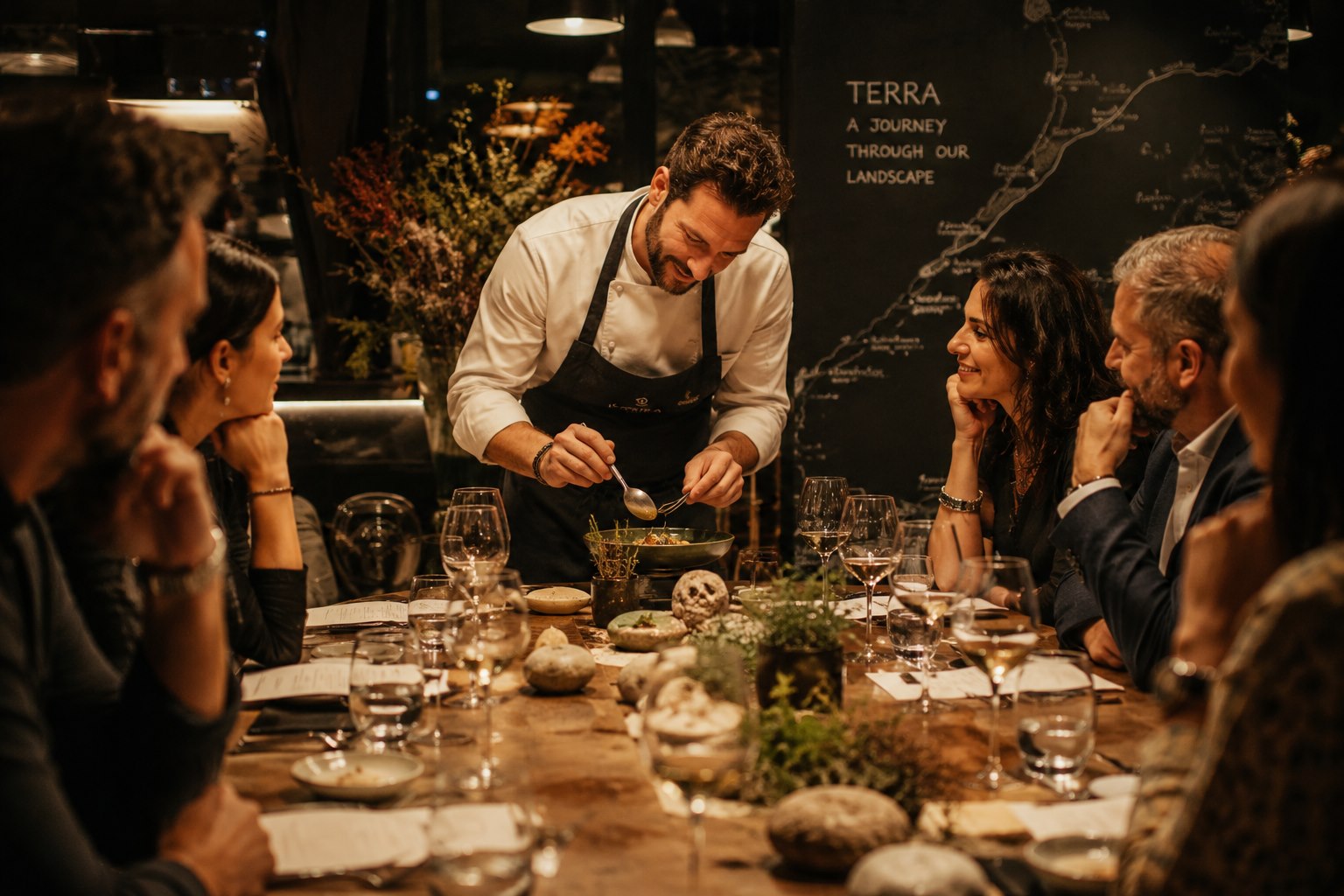
This is where restaurants can move beyond defensive price rises. Guests notice when a restaurant simply charges more for the same experience. They are less likely to resent a price when the offer has been redesigned with clarity: a sharper set menu, a better early-evening proposition, a properly priced chef’s counter, a private dining format with clear inclusions, or a shorter à la carte that reduces waste and improves execution.
The important word is clarity. A menu should make it easier for the guest to understand value and easier for the restaurant to deliver value profitably. That may mean fewer dishes, more confident descriptions, more disciplined add-ons, a premium supplement that genuinely carries prestige, or a beverage pairing that works commercially rather than exists as an afterthought.
UK and US pressure points do not behave the same way
The US and UK share cost pressure, but the sources behave differently. The US conversation is shaped by the scale of the market, food and labour costs, insurance, payment fees and the challenge of preserving profitability while sales grow nominally [Brief-01] [Brief-02]. The UK conversation is more exposed to employment costs, business rates, energy pressure and policy decisions that can change viability quickly [Brief-03] [Brief-06].
That is why imported strategy often fails. A US-style growth response may not work in a UK market where the next policy change can hit payroll and rates at the same time. A UK-style defensive response may underperform in a US market where demand and scale still create expansion opportunities. Serious operators need local pressure maps, not universal slogans.
For multi-site groups, this means each site should be judged by its own margin logic. A flagship may justify lower direct profit because it builds brand authority and private dining demand. A neighbourhood site may need ruthless daypart discipline. A hotel restaurant may carry strategic value beyond dinner revenue. Margin management is not about treating every unit the same; it is about knowing what each unit is for.
What not to cut first
The most common mistake is to cut the parts of the experience guests still remember. Training, welcome, table confidence, pacing, bread, coffee, bathrooms, lighting, menu language and the ability of staff to explain value all look like soft costs until they disappear. Then the guest feels the saving before the operator sees the benefit.
A restaurant under pressure should first cut confusion. Cut dishes that slow the pass without enough margin. Cut opening hours that exhaust the team. Cut underpriced events. Cut technology that does not integrate. Cut supplier habits that no longer match the menu. Cut discounts that train guests to wait. These decisions are less visible than removing hospitality from the room, but they are usually more intelligent.
The better question is not “what can we remove?” It is “what can we simplify without reducing trust?” Trust is the asset that lets a restaurant charge properly. Once it is damaged, margin becomes harder, not easier.
A margin checklist for operators
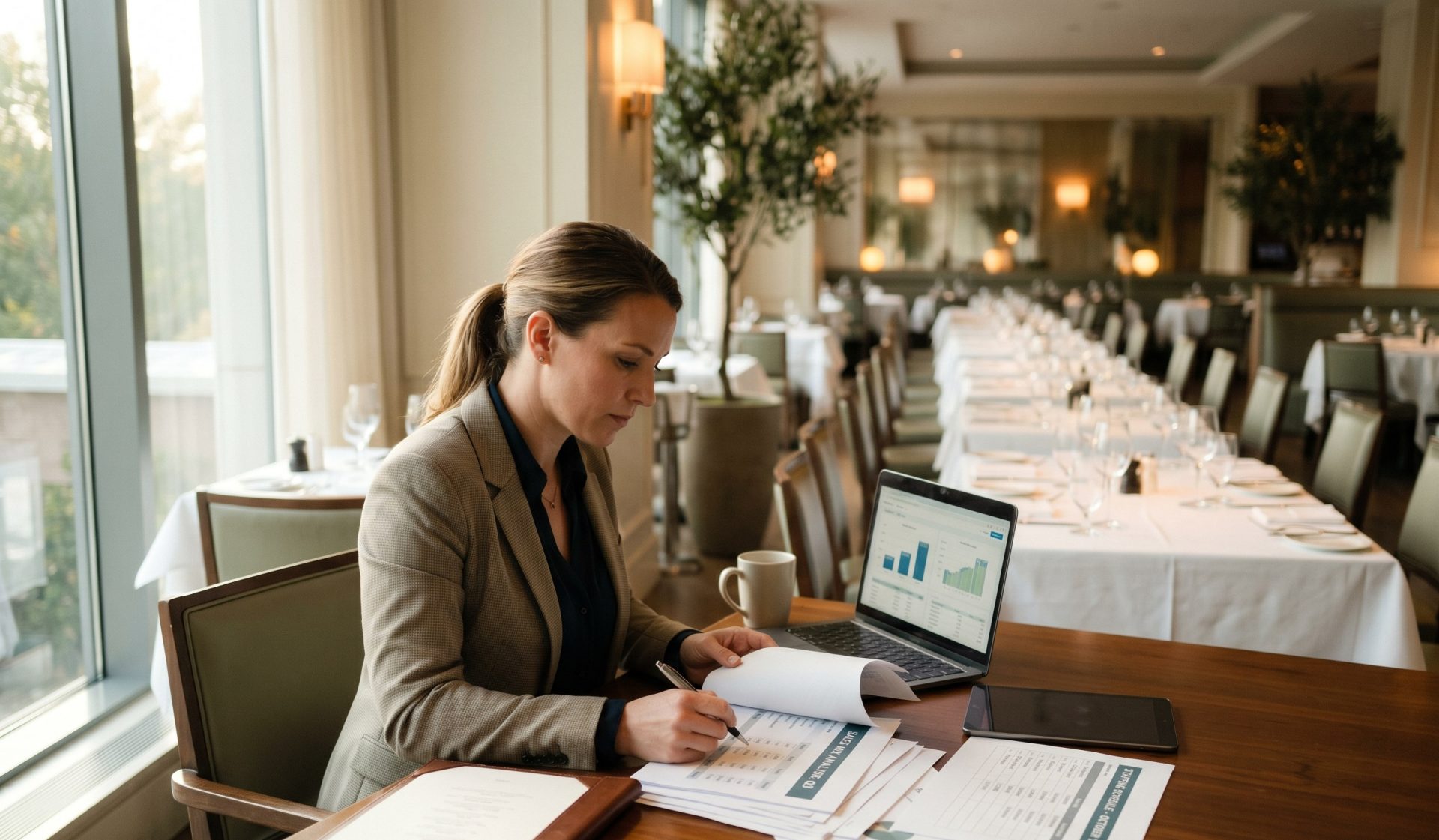
A useful 2026 margin checklist should be short enough to act on. Know gross margin by dish, but also know labour intensity by dish. Know which dayparts create profit and which create only activity. Know which events produce contribution after staffing and prep. Know which suppliers are strategically valuable and which are merely inherited. Know whether technology is improving decisions or only creating dashboards.
The most disciplined operators will also know what they are protecting. That may be a signature dish, a service ritual, a supplier relationship, a wine margin strategy, a private dining offer or a staff structure that keeps standards intact. Margin management without a protected centre becomes austerity. Margin management with a clear centre becomes strategy.
The margin story of 2026 is therefore not survival by cutting. It is survival by design. The restaurants that move best will not be the loudest or the cheapest. They will be the ones that can explain, internally and commercially, why each part of the business deserves to remain.
The boardroom metric is repeatability
The final test is repeatability. A one-week cost push can create a temporary improvement. A better operating model creates a decision habit. That habit is what boards, owners and senior operators should now be looking for. Can the team explain why a menu item exists? Can the general manager defend the labour model by daypart? Can the chef identify which products carry volatility before the invoice exposes it? Can the business distinguish between brand investment and vanity spend?
This is where restaurants often underuse their own information. Sales mix, booking patterns, cancellation behaviour, staff hours, prep waste, private dining conversion and guest feedback are all signals. They do not need to turn the restaurant into a data company. They need to become part of weekly management conversation. Deloitte’s point about resilience is useful here because resilience is not only having technology; it is having the discipline to act on what the technology reveals [Brief-05].
For independent restaurants, the rhythm can be simple: weekly review of dish contribution, labour variance, waste, events and booking quality. For groups, the same logic scales across sites, but with one caution. Benchmarking should explain difference, not punish difference. A flagship, a neighbourhood room and a hotel venue will not carry the same margin role. The operator’s task is to know which kind of performance each site is supposed to deliver. The commercial discipline is not glamorous, but it is what lets the creative part of the restaurant survive. A chef can still write with elegance, a dining room can still feel generous and a brand can still hold its tone. What changes is the precision behind those choices. The guest should not feel the spreadsheet. The guest should feel a restaurant that has become more confident about what it values.
The margin story of 2026 is not survival by cutting; it is survival by design.
Why It Matters
For owners, chefs and F&B directors, this piece reframes cost pressure as an operating-design problem. The practical value is a clearer order of action: protect trust, measure contribution, reduce friction, then invest selectively where control improves.
What To Watch Next
Watch for operators using fewer but stronger menu formats, more disciplined daypart strategy, tighter labour deployment and technology selected for measurable control rather than novelty.
Sources & Further Reading
- [Brief-01] National Restaurant Association 2026 state report
- [Brief-02] National Restaurant Association 2026 press release
- [Brief-03] UKHospitality quarterly members survey
- [Brief-04] Deloitte future of restaurants study
- [Brief-05] Deloitte building restaurant resilience
- [Brief-06] House of Lords Library on hospitality and retail policy