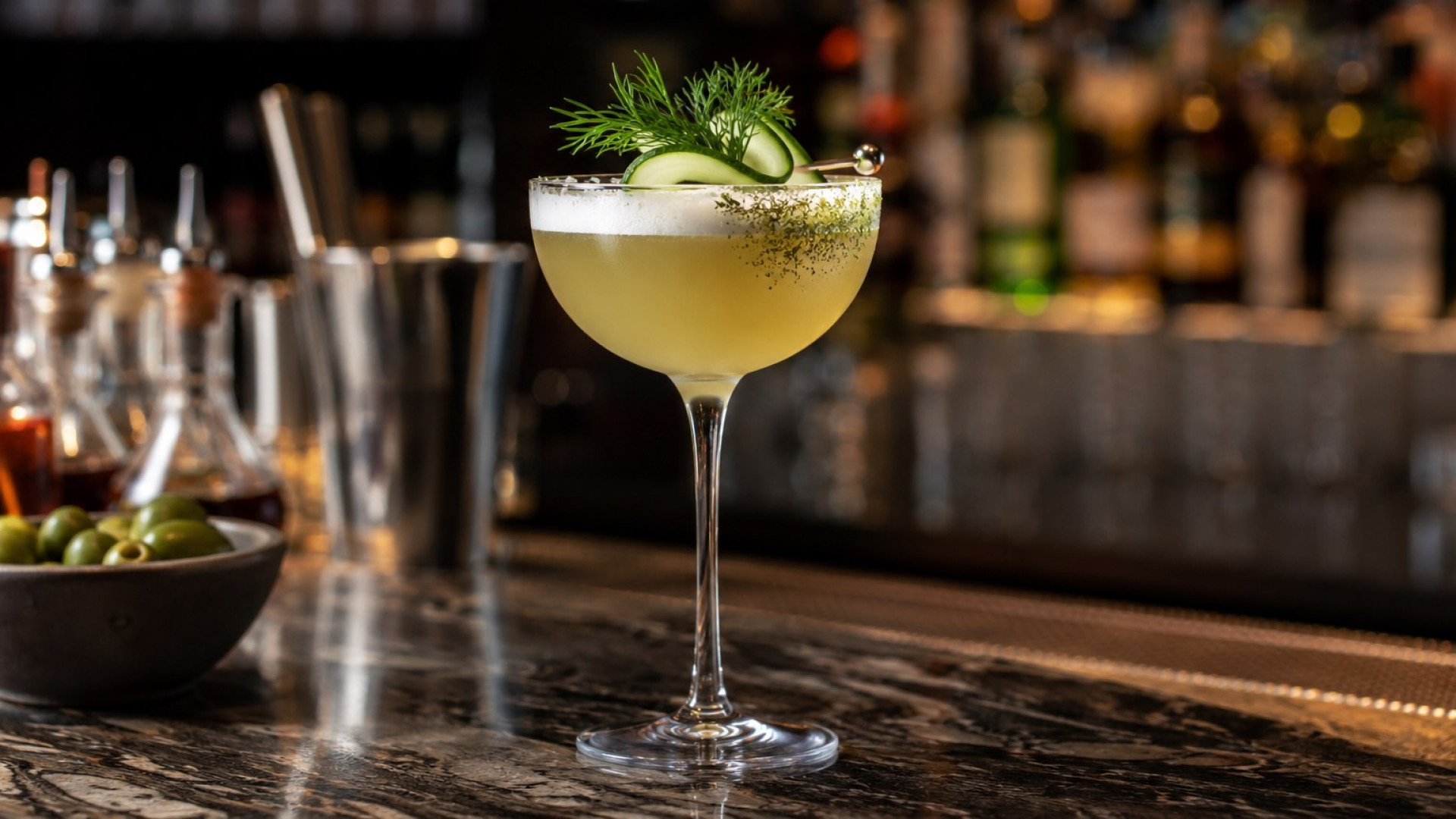
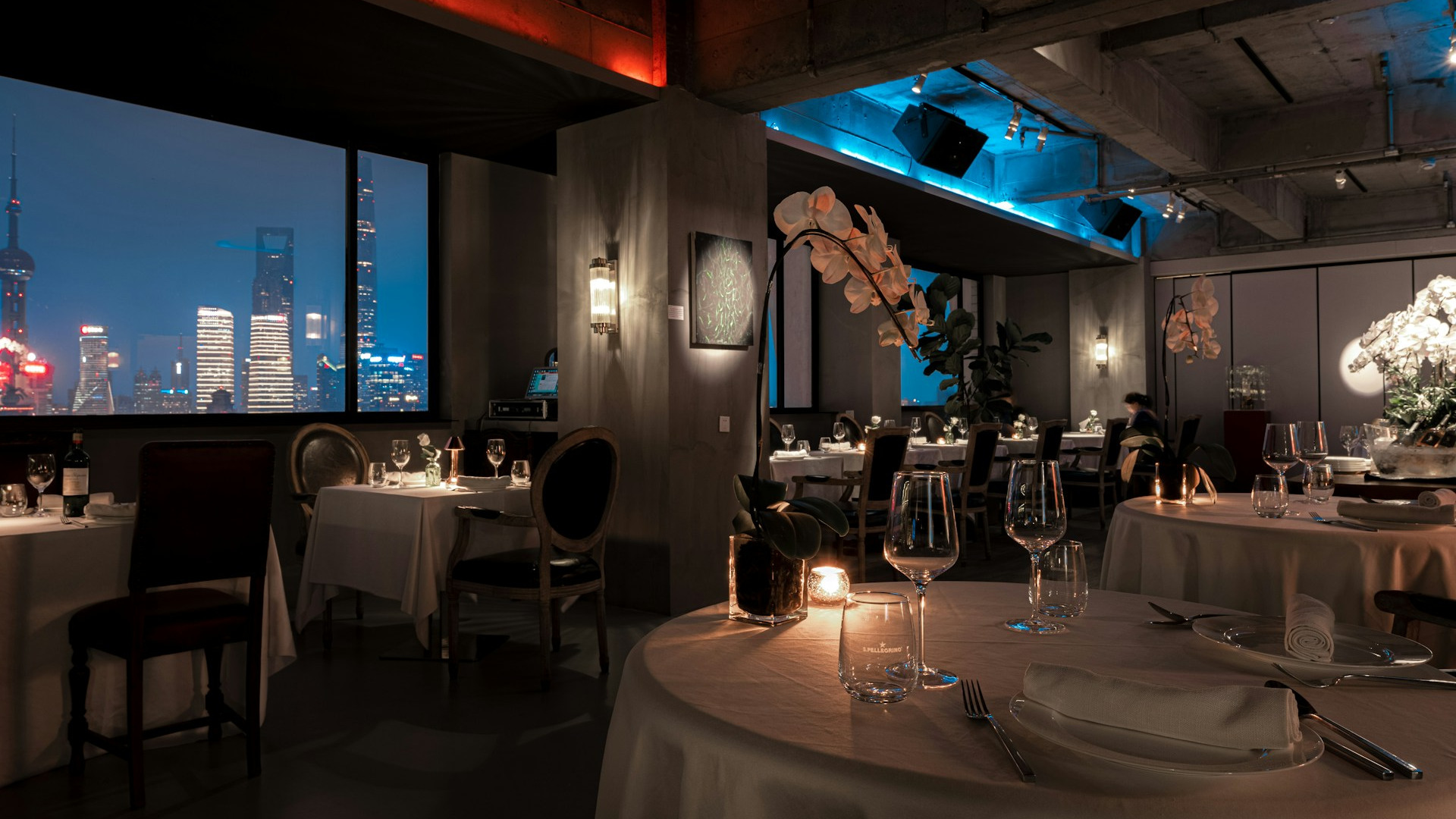
Destination dining used to mean a restaurant that justified the journey on its own. Increasingly, it also means a restaurant that defines the hotel around it. Luxury groups are using chef-led dining rooms as cultural anchors, local demand engines and reasons to visit beyond the overnight stay. The shift is not only aesthetic. Experiential dining demand, lifestyle hotel growth and high-profile chef partnerships all point in the same direction: the restaurant is becoming one of the most public ways a property proves its taste, relevance and commercial ambition. The opportunity is strong, but not automatic. For chefs, the hotel platform can offer capital and reach; for hotels, serious dining can deliver identity. The difficult question is whether both sides can protect authorship while building scale.
Highlights
- Hotel restaurants are moving from amenity to identity.
- Experiential dining data strengthens the business case for chef-led hotel F&B.
- Waldorf Astoria London Admiralty Arch is a clear 2026 signal, with restaurants by Clare Smyth and Daniel Boulud.
- Independent restaurants can borrow the hotel playbook without copying hotel scale.
- The next grand dining room is part restaurant, part stage, part city signal and part brand asset.
A Room That Defines the Address
There was a time when a serious chef looked at a hotel dining room with caution. The hotel could offer a handsome room, a polished brigade and a steady stream of guests, but it also carried a risk: anonymity. Too many hotel restaurants belonged to the lobby before they belonged to the city. They were capable, expensive and convenient, yet rarely urgent.
That perception is changing because the role of the restaurant inside a luxury property has changed. A new generation of destination dining hotels is being built around the opposite idea: that the restaurant can give the property its point of view. The dining room becomes the place where a hotel stops being only a place to sleep and starts behaving like a cultural address.
The timing is not accidental. OpenTable’s 2026 trend material reports a 46% year-on-year rise in experiential dining and says 48% of Americans are more likely to book when a restaurant offers a pop-up, collaboration or special experience [Pass-01]. Mastercard’s Europe 2026 experience work places food-related experiences among the activities Europeans want more of this summer, at 70% [Pass-02]. The hotel industry has noticed the same movement from a different angle: the guest is still selective, but remains willing to pay for a dining experience that feels specific, limited or worth leaving the house for.
Why Hotels Are Rebuilding Their Food Identity
Hotel food and beverage used to be described in the language of facilities. A property had a restaurant, a bar, a breakfast room, a banqueting operation and perhaps a rooftop. Stronger operators now speak differently. They talk about programming, locality, guest rhythm, social energy and reasons to visit outside the overnight stay.
That change matters because the modern luxury guest reads hospitality as a whole. The room, the bar, the breakfast, the restaurant, the terrace, the wine list and the energy of the lobby are not separate departments in the guest’s mind. They are connected signals. Food and beverage is one of the few parts of a hotel capable of expressing all of them at once.
Hilton’s own luxury and lifestyle positioning makes the point commercial rather than decorative. The group says its luxury and lifestyle portfolio has reached 1,000 properties worldwide, and that its lifestyle category expects more than 60 new hotels to debut in 2026 alone [Pass-03]. Lifestyle hospitality depends on atmosphere, locality, design and social relevance. A serious restaurant is one of the clearest ways to deliver that promise.
The economics are equally persuasive. A room can be sold once per night. A restaurant, bar, terrace, chef’s counter or private dining room can create several reasons to return. It can attract the local diner, support events, give the concierge something meaningful to recommend, generate communications value and make the property part of a city’s weekly life. When this works, the restaurant is no longer an amenity attached to the hotel. It becomes one of the hotel’s arguments for existing.
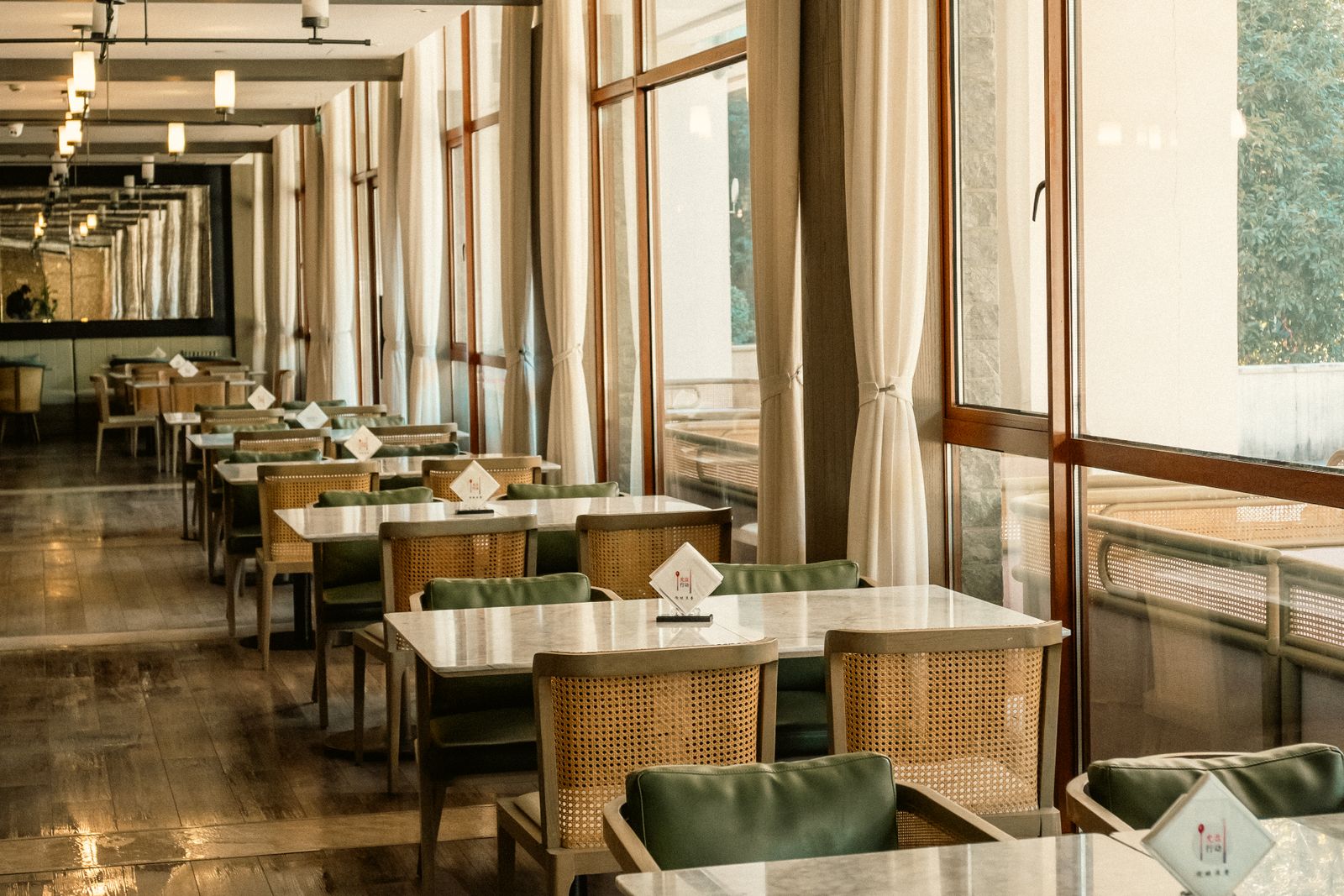
Photo: Cheng Shi Song.
Why Chefs Are Saying Yes to Hotel Platforms
For chefs, the hotel proposition has also changed. The old concern was authorship. A hotel might offer scale, but at the cost of a softened idea. The chef risked becoming a name on a wall, useful for launch publicity but gradually absorbed into the needs of an international guest who wanted comfort more than conviction.
That risk has not disappeared. It remains one of the essential questions in every serious chef hotel collaboration. Who controls the menu? Who owns the guest relationship? Who protects the team culture? Who decides when the concept expands, adapts or refuses compromise? Those questions decide whether a partnership becomes a platform or simply a lease with a famous name attached.
Yet the strongest hotel restaurant partnerships now look more substantial than the old model. Hotels can offer capital, design investment, reservation systems, private dining support, communications teams, wine infrastructure, event sales and a constant flow of international guests. At a time when independent restaurants are still managing pressure from rent, labour, ingredient costs and marketing demand, that support is not trivial.
The chef gains a platform. The hotel gains identity. In the best cases, both gain credibility they could not build as quickly alone. There is also a programming advantage. A hotel can host visiting chef dinners, seasonal residencies, collectors’ dinners, Champagne partnerships, cultural salons, terrace menus and brand events without asking the restaurant alone to carry every operational consequence. That flexibility matters in an experience-led dining economy, where guests are increasingly drawn to moments that feel limited and difficult to repeat.
London, Dubai, Bangkok and Singapore as Launch Markets
The clearest current proof point is London. Waldorf Astoria London Admiralty Arch has announced two signature restaurants for its 2026 opening: Coreus by Clare Smyth and Café Boulud by Daniel Boulud [Pass-04]. Hilton presents the two venues as central to the identity of the landmark hotel, not as decorative additions to the property. The announcement also notes that the two chefs’ restaurants together hold seven Michelin stars [Pass-04].
The pairing is instructive. Clare Smyth brings British produce, coastal language and fine-dining authority. Daniel Boulud brings French classicism, international recognition and all-day luxury hospitality. Together, they give the hotel both local rootedness and global fluency. The property does not need to explain that dining matters. The chef names do that work before the doors open.
This model translates well to markets where hotels already function as social infrastructure. In Dubai, luxury hotels have long connected business, travel, entertainment and dining in one building. In Bangkok and Singapore, hotels often hold a different kind of urban power: they connect international visitors, local business communities, destination diners and high-service hospitality with unusual efficiency.
MICHELIN’s Thailand 2026 coverage points towards a dining scene shaped by chef-driven restaurants, responsible cooking and concepts that interpret place with increasing confidence [Pass-05]. That matters because the hotel dining opportunity is not limited to the formal grand room. It may be a rooftop all-day concept, a plant-forward restaurant with serious sourcing, a chef-led casual room with precision service, or a collaboration calendar that changes the property’s energy every month.
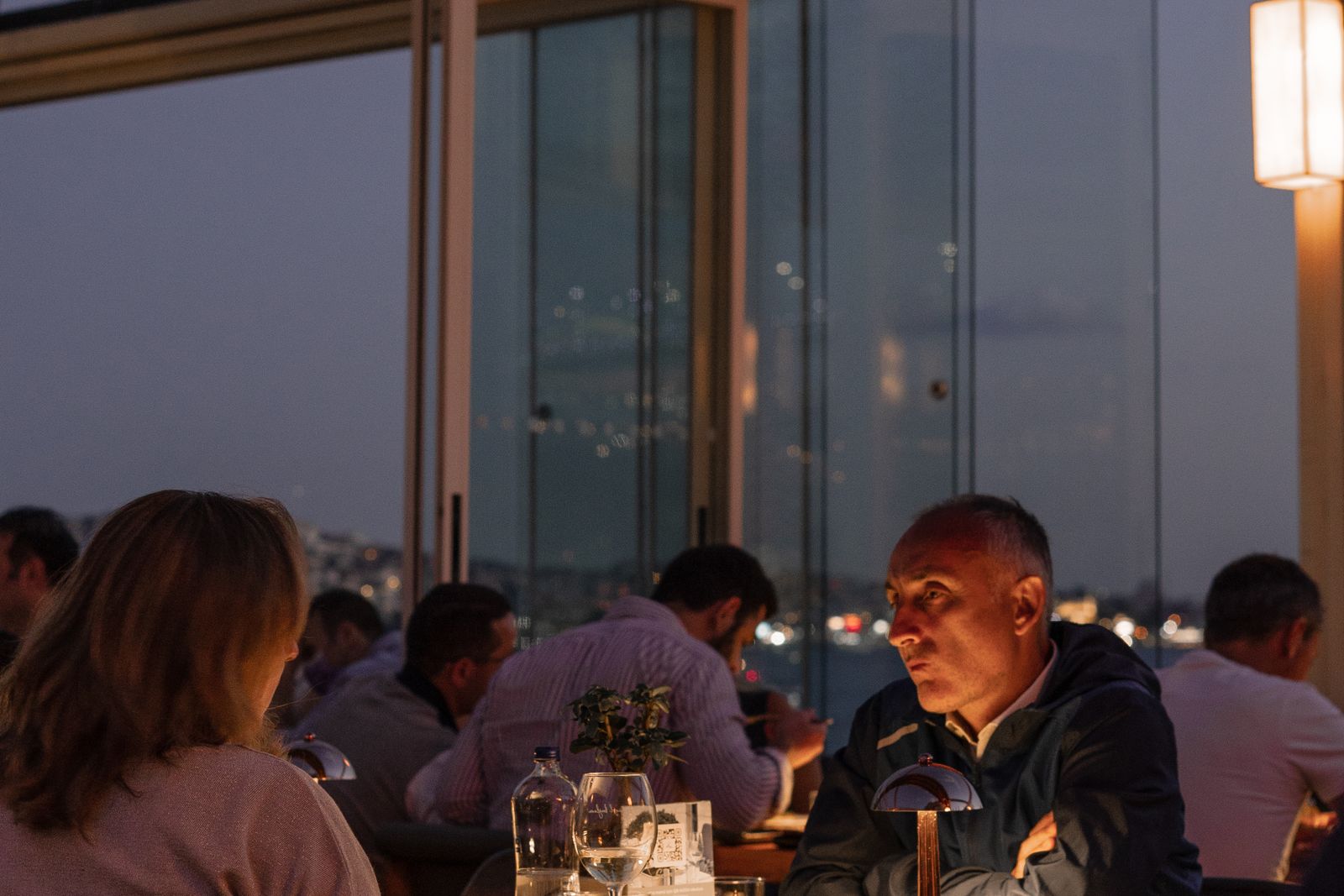
Photo: Bianca Jelezniac.
Flagship Chefs, Rooftops and Collaboration Calendars
The new grand dining room is therefore not one room. It is a system of occasions. A flagship restaurant gives the property culinary authority. A rooftop or all-day concept gives it rhythm. A bar gives it evening gravity. A terrace gives it seasonality. Private dining gives it commercial flexibility. Collaborations give it news.
For chefs and operators, the lesson is not that every property needs a famous name. It is that the best hotels are learning to treat food and beverage as a sequence of guest decisions. Breakfast, lunch, aperitif, tasting menu, bar, terrace, event, retail product and private dinner can all point back to the same identity.
When that identity is coherent, the hotel becomes easier to understand. When it is weak, food and beverage becomes a list of facilities again. The difference is felt not only in design, but in how the guest moves through the day. A guest should know why the restaurant belongs in that hotel, why the bar belongs beside it, and why the chef’s point of view has not been flattened by the property’s scale.
What Independent Restaurants Can Learn
The rise of hotel dining does not mean independent restaurants should imitate hotels. They should not try to outspend them, out-polish them or dilute their own personality in pursuit of corporate smoothness. The independent advantage remains authorship, proximity and the feeling that a real person is standing behind the room.
But independent operators should study the discipline behind the hotel playbook. Hotels are increasingly good at treating the restaurant as a calendar, not only a service. A chef’s counter can become a monthly collaboration series. A quiet evening can become a producer-led menu. A terrace can have a short seasonal identity rather than simply being extra tables. A bar can carry a food-led aperitif programme that starts earlier in the evening and gives guests a reason to arrive before dinner.
None of this requires hotel capital. It does require a plan, a price, a rhythm and a reason for the guest to book now rather than later. Hotels also understand cross-selling. The room, bar, restaurant, private dining space and event team support one another. Independent restaurants can borrow the principle by connecting menus, newsletters, private dining, chef appearances, retail products and partnerships more deliberately.
The Next Twelve Months of Destination Dining
The next twelve months will make hotel dining more competitive. Luxury and lifestyle properties will continue to use food and beverage to define themselves, while chefs will continue to weigh the benefits of reach and infrastructure against the need for control. The most interesting openings will not be those that simply announce a famous name. They will be the ones where the chef, hotel, city and guest demand all make sense together.
For Chefs MAG readers, the signal is practical. Destination dining is becoming more platform-led, more event-aware and more closely tied to hotel brand strategy. That creates opportunities for chefs, suppliers, designers, beverage teams and operators who understand that the modern dining room is no longer judged only by what appears on the plate.
The new grand dining room is a stage, a booking engine, a city signal and a brand asset. Hotels have understood this quickly. Independent restaurants now need to decide which part of that playbook they can adapt without losing the intimacy that made them desirable in the first place.
There is also a supplier lesson inside the shift. Tableware, lighting, kitchen design, reservation systems, beverage partners and private dining teams all become more visible when the restaurant carries the identity of the hotel. A chef-led hotel opening is therefore not only a chef story. It is a procurement story, a design story and a service-infrastructure story. The best partners will understand that their product is no longer hidden behind the room; it becomes part of the way the property explains taste.
The risk, as always, is sameness. If every luxury hotel announces a famous chef, a rooftop, a Champagne dinner and a collaboration calendar, the language will lose force quickly. The next advantage will belong to properties that can make their dining offer feel inevitable to the building, the city and the chef. That is harder than buying prestige. It requires restraint, authorship and the confidence to let the restaurant become more than a facility. Above all, it requires the hotel to understand that hospitality prestige is no longer built only upstairs. Increasingly, it is built at the table, in public, one booking at a time.
The modern luxury hotel is learning that the restaurant is not a supporting act; it is the property’s most public argument for relevance.
Why It Matters
For chefs, the hotel platform can offer capital, communications reach, events infrastructure and a steady guest pipeline. For hoteliers, the restaurant can no longer be treated as a decorative luxury. It has to carry identity, local relevance and enough culinary authority to stand outside the room business. For independent operators, the lesson is not to become a hotel. It is to borrow the discipline of programming, cross-selling and multi-daypart thinking while protecting the authorship that makes independence valuable.
What To Watch Next
Watch whether 2026 hotel openings give chefs real authorship or only brand placement. The strongest partnerships will be the ones where the chef, property, city and guest demand align. The weakest will overuse famous names without building operational clarity around the room, the bar, the calendar and the local audience.
Sources & Further Reading
- [Pass-01] OpenTable 2026 Dining Trends Report
- [Pass-02] Mastercard Experience Economy Europe 2026
- [Pass-03] Hilton Luxury & Lifestyle Hot List 2026 expansion
- [Pass-04] Waldorf Astoria London restaurants by Clare Smyth and Daniel Boulud
- [Pass-05] Michelin Guide Thailand 2026
- [Pass-06] Michelin France 2025 and Mindful Voices reference