Cocktail culture is becoming more culinary, more local and more integrated with the kitchen. The shift is not about making every drink taste like food. It is about borrowing the kitchen’s discipline: ingredient logic, seasonality, waste intelligence, fermentation, service rhythm and margin. This article explains how restaurants can build savoury, local and luxurious cocktail programmes without losing elegance or drinkability. The strongest bar teams will not chase novelty. They will coordinate with the kitchen, use local flavour with restraint and make every serve feel like part of the restaurant’s wider hospitality identity.
Highlights
- Cocktails are becoming more culinary, but drinkability remains the first test.
- Savoury, saline, fermented and local flavours need restraint and consistency.
- Kitchen-bar coordination should happen before the menu is finished.
- Waste-minded flavour building only works when it improves the drink.
- Michelin cocktail awards underline the drink programme’s role in restaurant identity.
The bar is moving closer to the kitchen
The most interesting cocktail programmes in 2026 are not louder. They are more culinary. They borrow from the pantry, the larder, fermentation, local sourcing and the service rhythm of the dining room. That does not mean every drink should taste like a plated course. It means the bar is being asked to think with the same discipline as the kitchen: ingredient, texture, sequence, waste, story, margin and finish.
Bacardi’s 2026 cocktail trends report highlights local flavours and luxurious experiences as major themes [Cellar-25]. James Beard’s 2026 trend feature points to savoury cocktails and intentional fermentation [Cellar-26]. SevenFifty has highlighted ready-to-eat cocktails, waste-minded flavour building and a wider appetite for ingredient complexity [Cellar-27]. Taken together, these signals suggest a cocktail culture that is less interested in sweetness alone and more interested in food-adjacent sophistication.
For restaurants, the opportunity is strong because the bar can stop feeling like a separate department. A cocktail can prepare the palate for the menu, echo a producer relationship, use an ingredient the kitchen already handles, or offer a guest a lower-alcohol route into the evening. The cocktail programme becomes most interesting where the bar learns to think like the kitchen.
Why cocktails are becoming more culinary
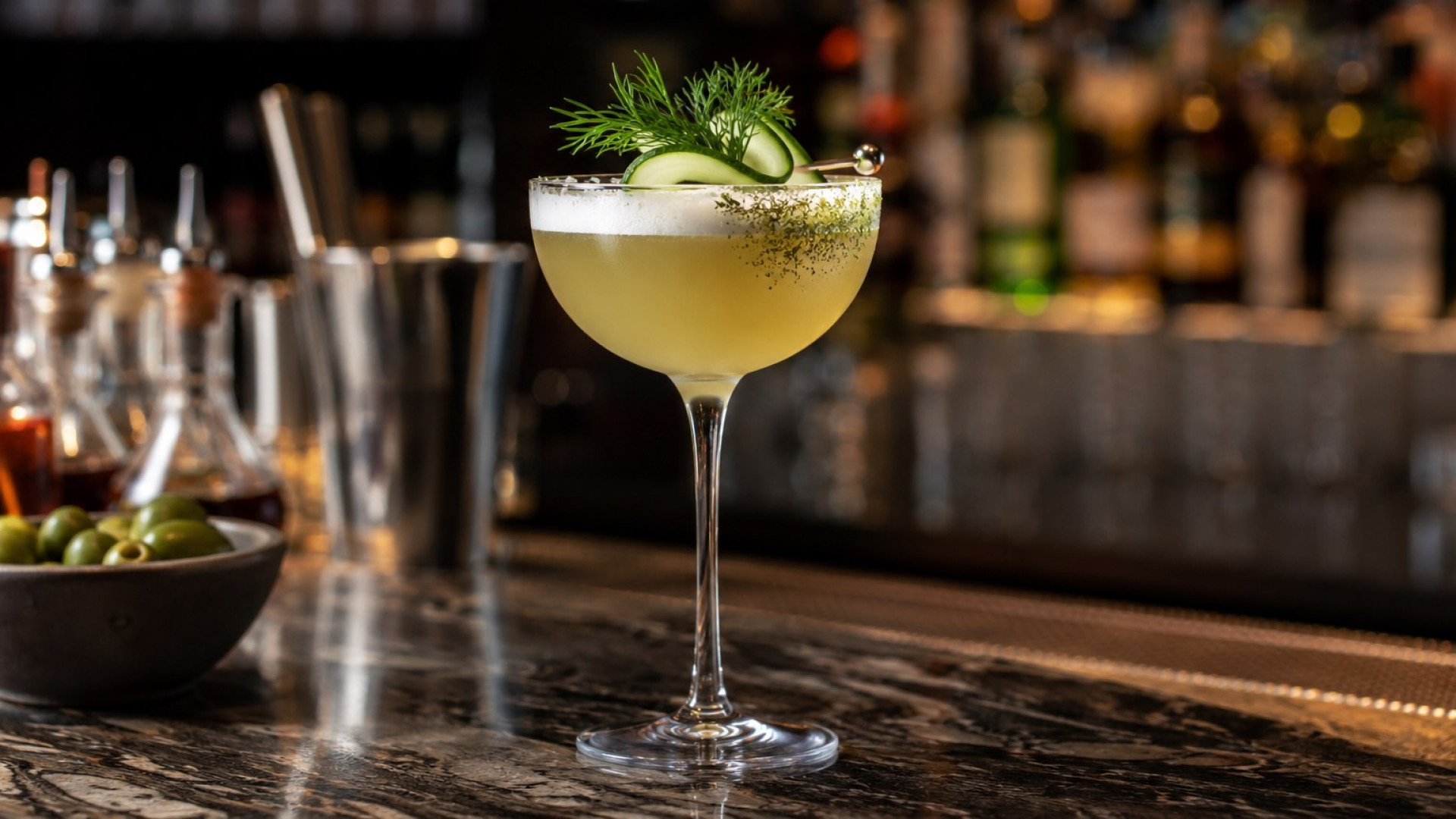
The shift is partly about flavour. Guests are increasingly comfortable with savoury, saline, bitter, herbal, fermented and vegetal notes. They do not need every drink to perform like dessert. A tomato water martini, a koji-accented highball, a saline citrus aperitif or a herb-led Collins can feel luxurious because it is precise, not because it is maximal.
The shift is also about restaurant economics. A bar that uses kitchen intelligence can reduce waste, sharpen identity and create better reasons to order before or after dinner. Citrus husks, herb stems, spent coffee, whey, vegetable trimmings, brines and ferments should not be used as sustainability theatre. They should be used only when they produce a better drink. But when they do, they connect the beverage programme to the restaurant’s operating logic.
BarMagazine’s 2026 trend framing captures the tension: consumers may be drinking less, but they are demanding more craft, theatre and meaning when they do drink [Cellar-28]. That is exactly where culinary cocktails can earn their place. They do not ask the guest to consume more. They ask the guest to consume with more attention.
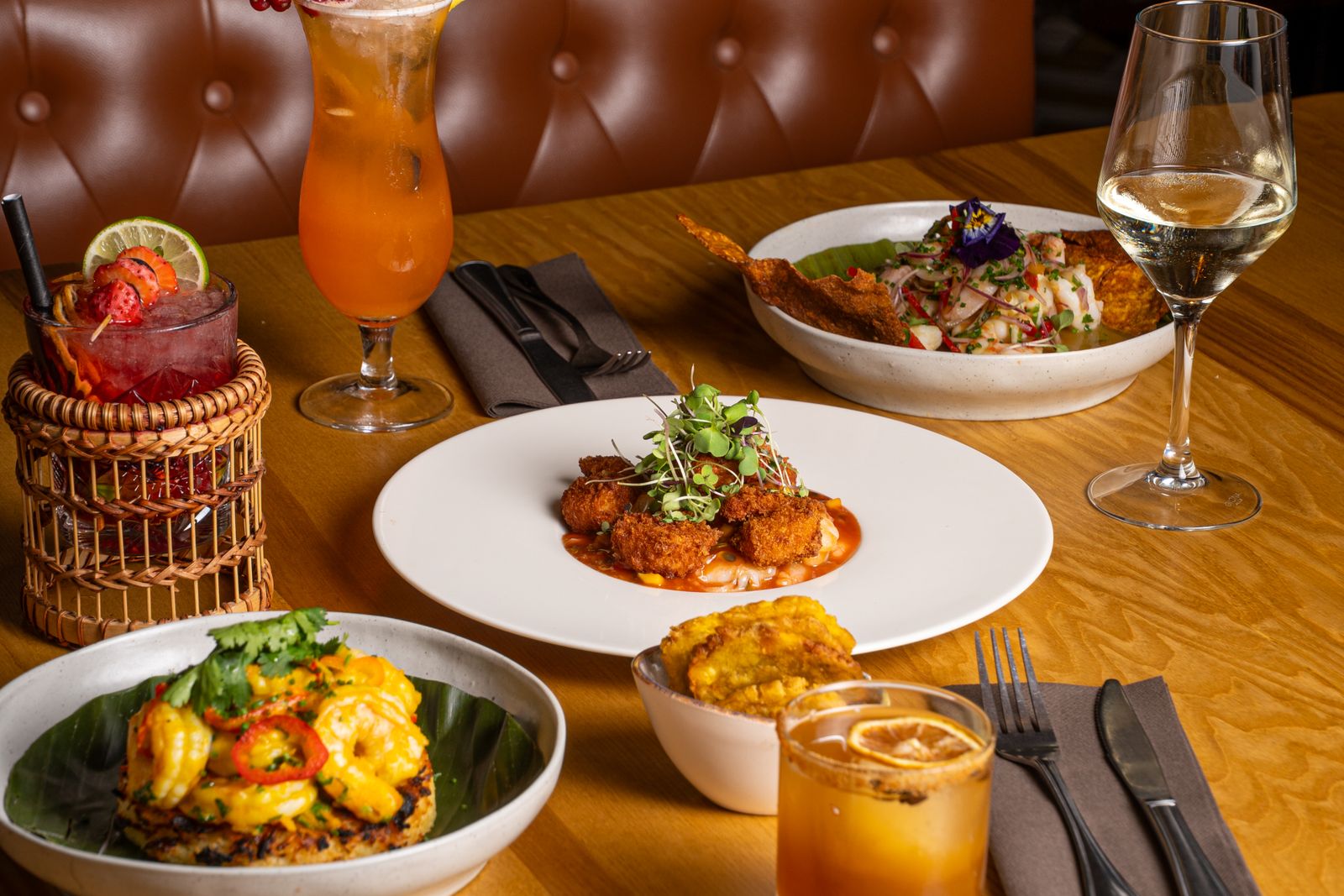
Photo: Nano Erdozain.
The flavour directions shaping 2026
Savoury is the most obvious direction, but it needs precision. Salt, smoke, mushroom, tomato, olive, seaweed, miso, sesame, herbs and spice can all give a drink depth, but they can also become heavy quickly. The skill is to borrow from the kitchen without turning the glass into soup. A savoury cocktail should still refresh, lift or settle the palate. It should not make the guest feel as though they have eaten a course.
Fermentation is another direction, but it should be treated with restraint. Fermented fruit, lacto-brined vegetables, kombucha, koji, vinegar and sour beer references can produce complexity, but the programme must control consistency. A kitchen can correct a sauce in the moment. A bar programme needs repeatability across shifts. If a fermented base changes too much from week to week, the guest may experience character as instability.
Saline, umami, local herbs, kitchen waste and theatre
Local herbs and regional ingredients give the strongest programmes a sense of place. A bar in London, Mexico City, Singapore or New York should not need to copy the same garnish language. Locality can appear as a leaf, a brine, a spice, a tea, a fruit skin, a producer collaboration or a short seasonal serve. The drink does not have to explain the whole region. It only has to make the programme feel rooted.
Theatre remains useful when it serves the drink. Tableside finishing, aroma, a small pour-over, a chilled vessel, a pressed garnish or a shared miniature can create memory. But theatre without balance is fragile. It photographs well once and disappoints twice. The best luxury bar programmes use ritual to clarify value, not to distract from weak liquid.
How restaurants should coordinate kitchen and bar development
The kitchen and bar should meet before the menu is finished, not after. If the chef is building a spring menu around asparagus, crab, herbs and citrus, the bar can think about acidity, salt, green aromatics and aperitif structure. If the kitchen is using fermented grains, whey or preserved fruits, the bar can ask whether any element belongs in the glass. But the answer should not be automatic. Coordination means shared intelligence, not forced recycling.
A useful development meeting should cover five points: what ingredients the kitchen is already buying, what flavour direction the menu is taking, what waste streams are clean enough to use, what drinks can be produced consistently and what margin each serve needs. This is where culinary creativity meets operational discipline.
Michelin’s continued Exceptional Cocktails awards in restaurant settings underline how central the drinks programme has become to overall hospitality identity [Cellar-29] [Cellar-30]. The award context matters less than the signal: drinks are no longer secondary decoration. In serious restaurants, they are part of the room’s argument.
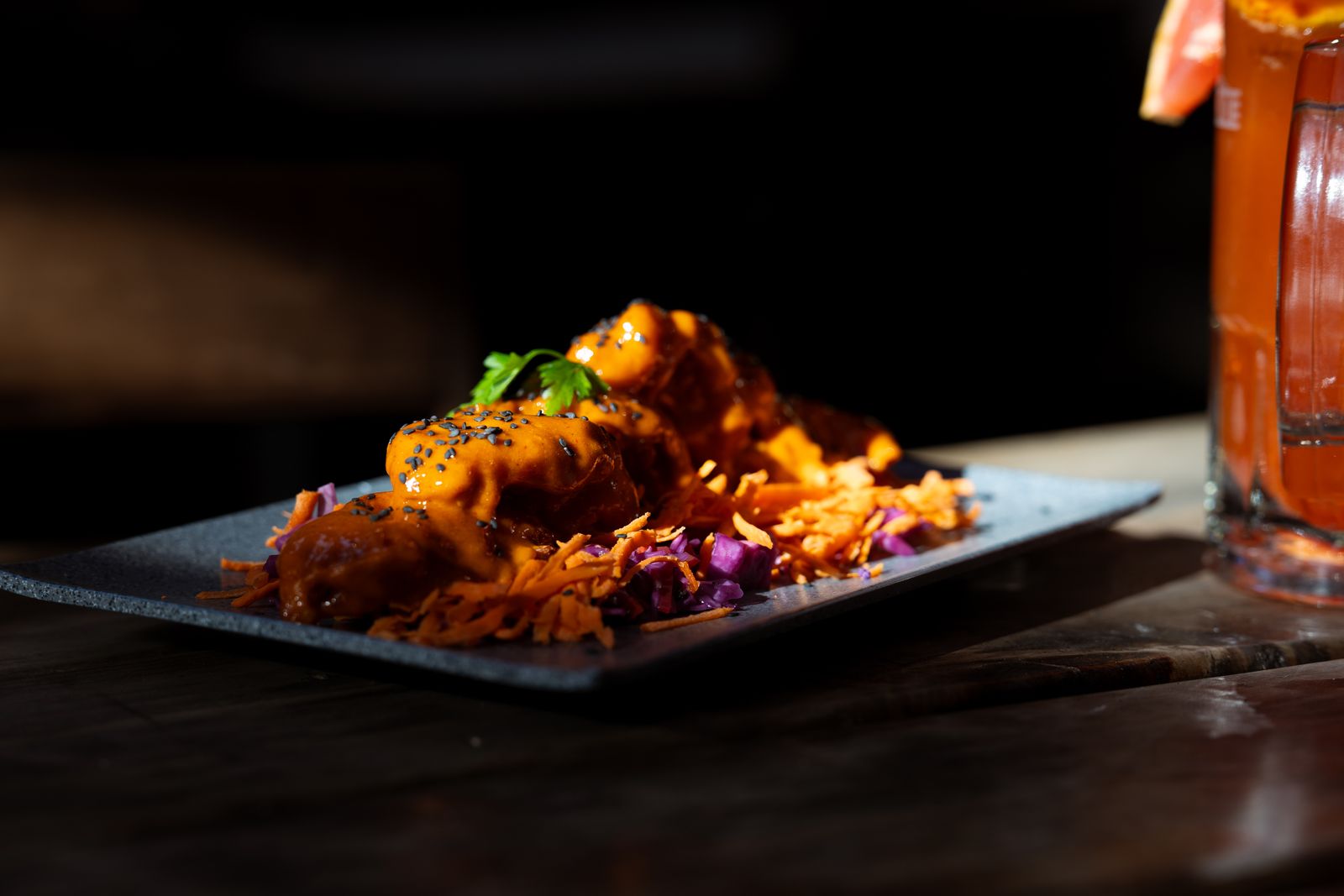
Photo: Mike C.
Which markets are leading and why
London has the advantage of mature restaurant bars, international guests and a strong appetite for list structure. Mexico City brings deep local flavour intelligence, agave culture and a natural bridge between kitchen and bar. Singapore has precision, technique and a dining public comfortable with culinary beverage menus. New York still offers density, experimentation and enough guest volume to test ideas quickly.
These markets will not lead in the same way. London may lead through elegant restraint. Mexico City may lead through local ingredients and regional spirits. Singapore may lead through technique and service polish. New York may lead through speed of adoption and format variety. The shared trait is not a single flavour. It is the willingness to treat cocktails as part of the restaurant programme rather than an independent bar list bolted onto dinner.
For smaller markets, the lesson is not to imitate the global capitals. It is to identify what the restaurant already owns: a garden, a producer, a pantry, a coastline, a spice vocabulary, a fermentation practice, a local spirit or a service ritual. The strongest bar programmes often begin with something the restaurant already understands.
A menu-development framework for bar teams
A practical framework begins with the plate. What flavours define the menu? Then the guest. Are they arriving early, eating lightly, moderating, celebrating, or moving to dessert? Then the ingredient. Is the drink using something real from the kitchen or forcing a culinary idea for effect? Then the margin. Does the serve make sense once garnish, prep, labour and glassware are counted? Finally, the memory. Will the guest remember the drink because it was balanced, or only because it was unusual?
Savoury, local and luxurious does not mean complicated. It means clear. The cocktail programme becomes most valuable when it sharpens the restaurant’s identity, supports the kitchen and gives the guest a more precise way to enter the meal. The bar does not need to become the kitchen. It needs to learn how the kitchen thinks.
How to keep the drink in charge
The danger with culinary cocktails is that the idea can outrun the glass. A drink may sound intelligent because it uses miso, seaweed, whey or preserved citrus, but the guest finally judges balance, texture, temperature and finish. The restaurant should therefore develop culinary cocktails backwards from drinkability. First ask what the cocktail should do in the meal. Then ask which culinary technique helps it do that better.
This protects the bar from gimmickry. A savoury martini should still have line and cold precision. A fermented highball should still refresh. A tableside ritual should make the drink more memorable, not slower for the sake of theatre. A local garnish should add aroma or texture, not simply prove that the restaurant knows a producer. The more ambitious the drink, the more disciplined the execution needs to be.
The kitchen can help by offering technique and ingredient intelligence, but it should not dominate the bar. The best relationship is a conversation. The chef may know how a herb behaves under heat; the bartender may know how it behaves in dilution. The pastry section may understand texture; the bar may understand aroma. When those disciplines meet well, the cocktail becomes culinary without becoming heavy. It remains a drink, but one that belongs unmistakably to the restaurant.
The best test is the second order. A guest may try one unusual cocktail because it sounds clever. They order the second because the first was balanced, useful and enjoyable. That is the difference between trend adoption and programme strength. A culinary cocktail should earn repetition, not only attention.
That is the commercial discipline. For operators, the opportunity is to use that discipline to create drinks that feel memorable, profitable and clearly connected to the restaurant rather than imported from a generic bar trend. That is the standard. The drink must still be excellent. That clarity protects guest trust.
The cocktail programme becomes most interesting where the bar learns to think like the kitchen.
Why It Matters
For beverage directors, chefs and restaurant owners, this piece shows how the bar can become a more integrated part of the culinary programme: stronger identity, better waste use, sharper guest memory and more commercially useful drinks.
What To Watch Next
Watch for more savoury cocktail menus, kitchen-bar development meetings, fermented bases, local herb programmes, premium low-alcohol serves and cocktail rituals that support rather than distract from the meal.
Sources & Further Reading
- [Cellar-25] Bacardi Cocktail Trends Report 2026
- [Cellar-26] James Beard top restaurant food trends 2026
- [Cellar-27] SevenFifty spirits and cocktail trends 2026
- [Cellar-28] BarMagazine cocktail trends 2026
- [Cellar-29] Michelin Québec exceptional cocktails 2026
- [Cellar-30] Michelin California exceptional cocktails 2025