Luxury hotel and chef partnerships are accelerating because both sides now solve visible problems for the other. Hotels need restaurants with identity, local demand and cultural authority. Chefs need infrastructure, capital support, communications reach and a broader platform at a time when independent openings are expensive and operationally exposed. This article looks at the commercial logic behind the model, using Hilton’s lifestyle expansion and Waldorf Astoria London Admiralty Arch’s restaurants by Clare Smyth and Daniel Boulud as the clearest current signal. The central question is not whether chef-hotel partnerships will grow. It is whether they protect authorship, guest ownership and long-term value.
Highlights
- Hotels need culinary identity to create local relevance and rate confidence.
- Chefs are more open to hotel platforms when authorship and control are protected.
- Waldorf Astoria London Admiralty Arch is a clear current signal of the model.
- The hard questions are guest ownership, IP, staffing culture and expansion rights.
- The strongest partnerships treat F&B as strategic infrastructure, not a decorative amenity.
Hotels need culinary identity, not another amenity
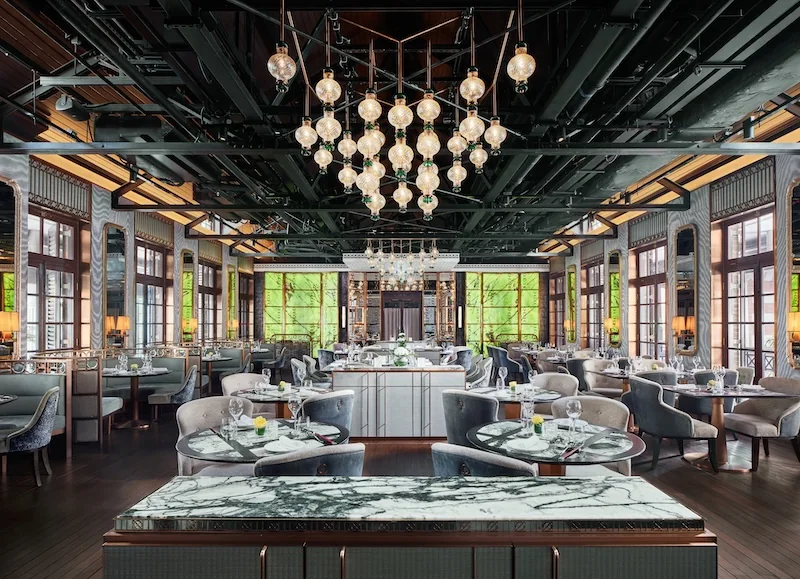
The hotel restaurant used to suffer from an identity problem. It could be polished, well staffed and expensive, yet still feel secondary to the building around it. The new luxury model is different. Hotels are using chef-led food and beverage to build cultural relevance, attract local diners and strengthen the commercial argument for the entire property.
Hilton’s luxury and lifestyle material shows the scale of the shift. The company says its luxury and lifestyle portfolio has surpassed 1,000 properties globally and that more than 60 new lifestyle hotels are expected in 2026 [Brief-10]. Lifestyle hospitality depends on atmosphere, locality, design, social energy and reasons to return. Food and beverage is one of the few departments that can express all of these at once.
That is why chef partnerships matter. A strong restaurant does more than serve guests who are already staying upstairs. It gives the hotel a local audience, a press story, a private dining platform, a bar and terrace rhythm, a reason for non-residents to enter the building and a way to signal taste before the room is even booked. In a crowded luxury market, culinary identity can become part of rate confidence.
Why chefs are increasingly open to the hotel model
For chefs, the hotel proposition has also changed. The old concern was authorship. A hotel could provide a room, capital and guests, but it could also dilute a restaurant’s voice. The chef risked becoming a name on a wall, useful for launch publicity and slowly absorbed into the operating needs of a global property.
That risk remains. It is why the contract matters. Who owns the concept? Who controls the menu? Who owns guest data? Who hires and trains the team? Who decides whether the idea expands? Who protects the restaurant when the hotel needs banqueting, room service pressure or brand convenience? These questions are not legal decoration. They decide whether a partnership creates a platform or a compromise.
The attraction is still clear. Hotels can underwrite fit-out, design, equipment, reservations, marketing, private dining, event sales and global communications. They can provide a built-in international audience and a level of infrastructure many independent restaurants cannot easily fund. For a chef facing high rents, labour shortage, rising food costs and intense marketing demand, a hotel can look less like a compromise and more like a strategic host.

Image source: CHEFS MAG archive — original credit not recorded.
Waldorf Astoria London shows the model clearly
The clearest proof point in the current launch cycle is Waldorf Astoria London Admiralty Arch. Hilton announced Coreus by Clare Smyth and Café Boulud by Daniel Boulud as the property’s signature restaurants, opening in 2026 [Brief-11]. The announcement positioned the two restaurants as central to the identity of the restored landmark, not as decorative dining options.
The pairing is commercially intelligent. Clare Smyth brings British fine-dining authority, product precision and a strong local narrative. Daniel Boulud brings international recognition, French hospitality language and all-day luxury familiarity. Together, they give the hotel both local rootedness and global fluency. The property does not need to persuade the market that dining matters. The chef names do that work before opening.
This is not simply a London story. Luxury and lifestyle hotels in Rome, Berlin and the Middle East are also competing for guests who expect a property to carry a point of view through food, drink and social programming. Hyatt’s own hospitality messaging has highlighted food and beverage as part of experiential travel and event programming [Brief-13]. The direction is consistent: the restaurant is becoming part of the hotel’s strategic infrastructure.
The negotiation points are becoming sharper
The more valuable these partnerships become, the more important the negotiation becomes. The first issue is control. A chef’s reputation depends on consistency, staffing, sourcing, pricing and service culture. A hotel may have different priorities: occupancy, brand standards, event revenue, guest familiarity, purchasing scale and risk management. The partnership works only when these priorities are made explicit.
The second issue is guest ownership. A restaurant inside a hotel may attract locals, destination diners and hotel guests at the same time. The data around those guests is commercially valuable. It informs repeat marketing, private dining, memberships, events and future openings. If the hotel owns the relationship entirely, the chef may gain visibility but lose long-term leverage.
The third issue is talent. Hotels can offer career paths, benefits and international mobility that independent restaurants often struggle to match. That is an advantage. But a chef-led restaurant also requires a specific team culture. If the hotel HR structure cannot understand the pace and standards of a serious restaurant, the concept may look strong on paper and weaken in service.
The fourth issue is expansion. A successful concept can become tempting to replicate. Replication can create value, but it can also thin out the original idea. The question is not whether a chef should expand. It is whether the format can travel without becoming a branded shell.
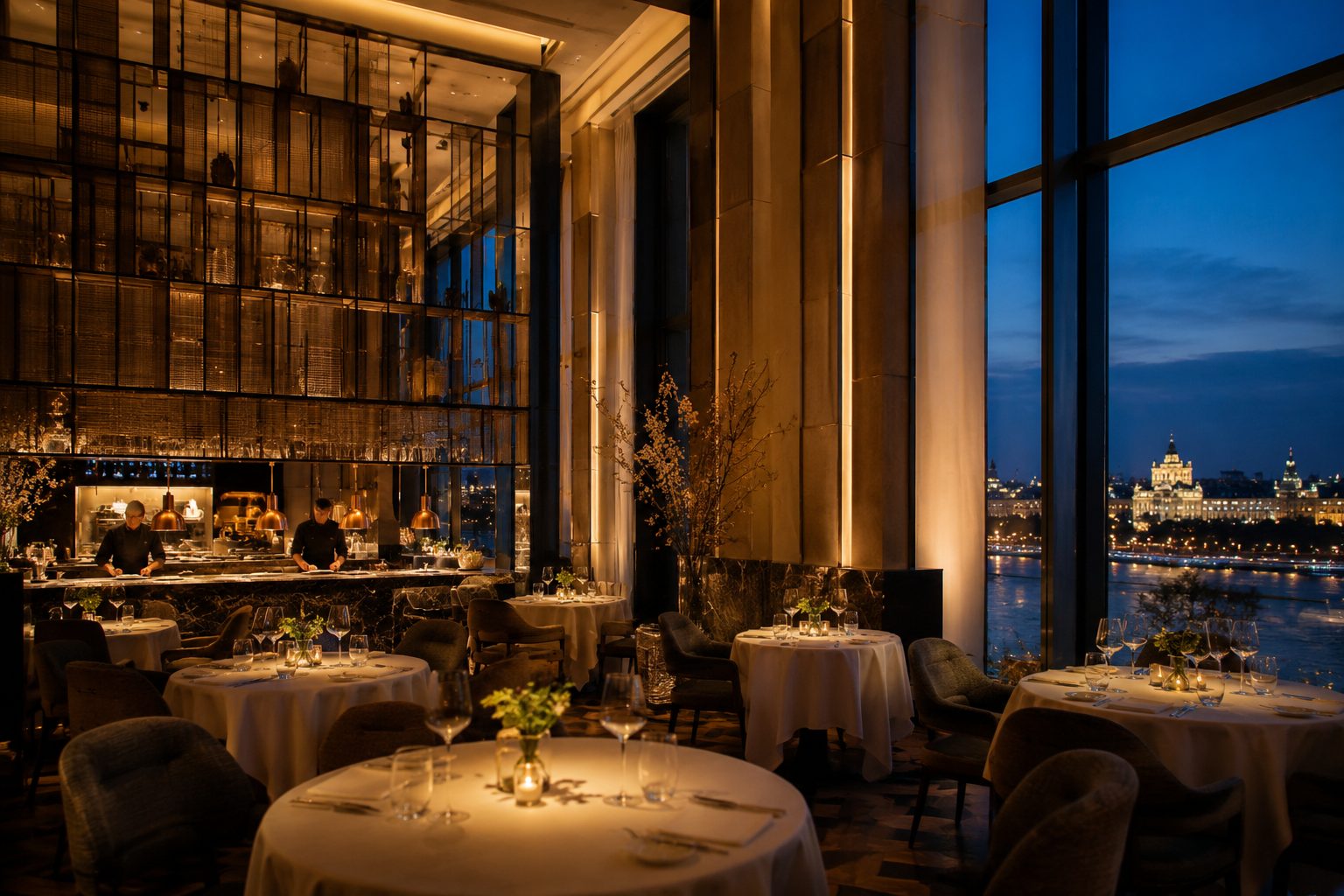
Image source: CHEFS MAG archive — original credit not recorded.
Which markets are leading the model
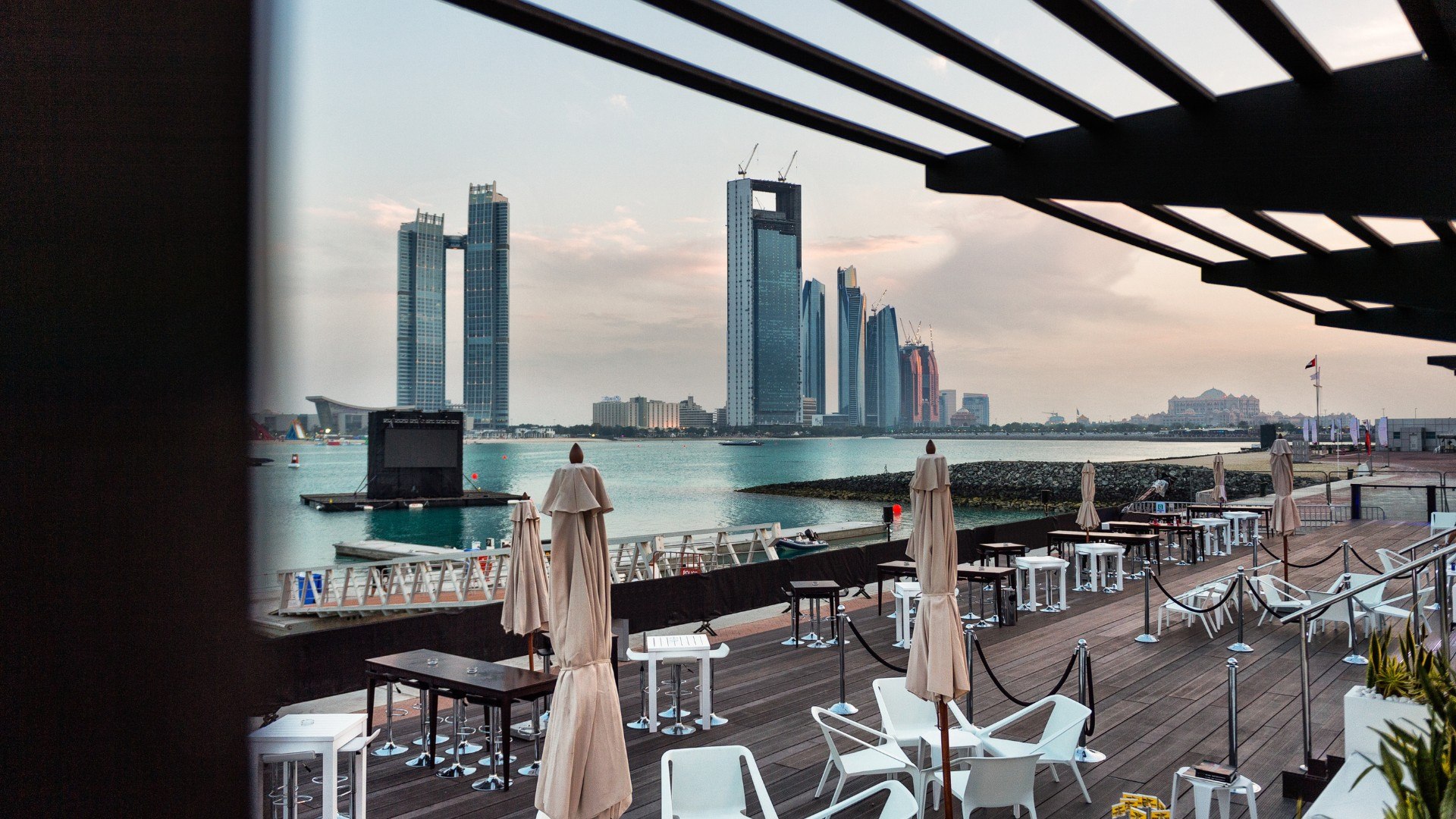
London remains an obvious test market because it combines global capital, local dining culture, hotel demand and press attention. The Middle East is equally important because luxury hotels often function as social infrastructure, not only accommodation. Rome and Berlin offer a different opportunity: heritage, design, cultural tourism and a guest who increasingly expects food and beverage to feel specific to the city.
The market pattern matters less than the principle. Hotels want chefs because culinary identity creates differentiation. Chefs want platforms because infrastructure and reach can accelerate ideas that would be expensive to build alone. The balance is changing because both sides now need each other more visibly.
This does not mean every hotel restaurant needs a famous name. The stronger lesson is strategic. Hotels need food and beverage concepts with authorship, rhythm and local relevance. Chefs need partners who understand that a restaurant cannot be treated like an amenity once it has been sold as a destination.
What future partnerships may look like
The next phase is likely to be more structured. Expect more multi-format partnerships, where a chef or group leads a signature restaurant, a bar menu, private dining, a terrace, a seasonal calendar and possibly retail or event extensions. Expect stronger attention to data ownership and intellectual property. Expect more chef groups to negotiate for creative control and long-term upside, not only launch fees.
The partnerships that work best will be those that make the commercial logic visible without flattening the hospitality. The hotel gains identity, local demand and brand authority. The chef gains capital, operational support and a larger stage. The guest gains a restaurant that feels like it belongs to the city, not only to the lobby.
Hotels want chefs because food now carries rate, relevance and cultural permission. Chefs want hotels because the right platform can turn one room into a larger business system. The risk is dilution. The opportunity is scale with authorship intact.
The platform only works when the restaurant has a centre
A hotel can give a chef scale, but scale is only useful if the restaurant has a centre. That centre may be a product philosophy, a service style, a regional language, a relationship with producers or a particular kind of dining rhythm. Without it, the partnership risks becoming a logo exercise: prestigious at launch, less convincing after the first press cycle.
This is why the best hotel F&B strategies are not built from celebrity alone. They connect the signature restaurant to the bar, breakfast, private dining, events and the wider city. The hotel guest should feel the restaurant’s intelligence beyond dinner; the local diner should feel the restaurant stands on its own. If the room depends entirely on hotel occupancy, it is not a destination. If it ignores the hotel ecosystem, it underuses the platform.
There is also a supplier and partner dimension. Chef-led hotel restaurants can create demand for tableware, kitchen design, premium beverage, reservation technology, produce networks and private dining infrastructure. That is why these partnerships matter to more than chefs and hotel owners. They can become small commercial ecosystems around a property, especially when the restaurant is strong enough to attract both local and international attention.
The cleanest partnerships will therefore define purpose early. Is the restaurant meant to win awards, serve residents, attract locals, host events, build brand prestige, support private dining or all of the above? The answer changes staffing, design, menu rhythm and measurement. A hotel cannot ask one restaurant to do everything without deciding what success means. For chefs, the practical conclusion is to negotiate before the excitement of the room overwhelms the details. For hotels, the conclusion is equally direct: do not buy a name and then weaken the conditions that made the name valuable. The relationship works when both sides understand that culinary authority is not a launch asset only. It has to be protected through daily operation. The financial upside also needs patience. A serious hotel restaurant may not prove its value only through direct dinner profit. It may lift the address, support suites, attract events, strengthen partnerships and give the property a reason to enter cultural conversation. That wider value should be measured, but never used as an excuse for weak restaurant economics.
Hotels want chefs because food now carries rate, relevance and cultural permission.
Why It Matters
This piece helps chefs, hotel groups and advisors understand the real negotiation beneath chef-led hotel dining: control, infrastructure, data, capital, brand value and the risk of dilution.
What To Watch Next
Watch for multi-format chef partnerships that include restaurants, bars, terraces, private dining, seasonal events and retail extensions, with stronger negotiation around guest data and concept ownership.
Sources & Further Reading
- [Brief-09] Mastercard Experience Economy Europe 2026
- [Brief-10] Hilton Luxury & Lifestyle Hot List 2026 expansion
- [Brief-11] Waldorf Astoria London chef partnership
- [Brief-13] Hyatt experiential travel with food and beverage focus
- [Brief-14] Michelin Key Hotels openings and chef moves
- [Brief-15] Michelin Key Hotels chef movements