Restaurant robotics has moved beyond curiosity, but not into a general replacement for kitchen labour. The serious cases are narrower, more technical and more useful: fry stations, beverage preparation, repetitive assembly, AI vision and high-volume tasks where consistency, heat exposure or staffing pressure can be measured. Richtech, Miso Robotics and Sweetgreen all give the market different signals about where automation is heading, but the buying question remains the same. What job does the machine improve, how reliable is it during service, and what happens when it fails? This article treats robotics as operating equipment, not spectacle.
Highlights
- Robotics is strongest where the task is repetitive, hot, high-volume or easy to measure.
- Vendor claims need to be read as claims until tested in the operator’s format.
- Fry stations, beverage prep and repetitive assembly are more credible than broad “robot chef” narratives.
- Downtime, cleaning, warranty, staff adoption and service support matter as much as throughput.
- The right question is not “can it cook?” but “what operating problem does it remove?”
The useful robot is usually a narrow robot
Restaurant robotics is easiest to misunderstand when it is presented as theatre. A robot arm pouring a drink, dropping noodles or moving across a trade-show floor can look like the future simply because it is visible. That is the wrong test. In a serious kitchen, visibility is not value. The useful question is narrower: does the system remove a specific task, improve a measurable task, or make a difficult task safer and more consistent?
That is why restaurant robotics in 2026 should be read less as a replacement story and more as an equipment story. A combi oven is not asked to express hospitality. A warewasher is not judged by its charisma. A fry robot, beverage robot or automated assembly cell should be held to the same standard: throughput, reliability, cleaning time, integration, labour effect and failure mode.
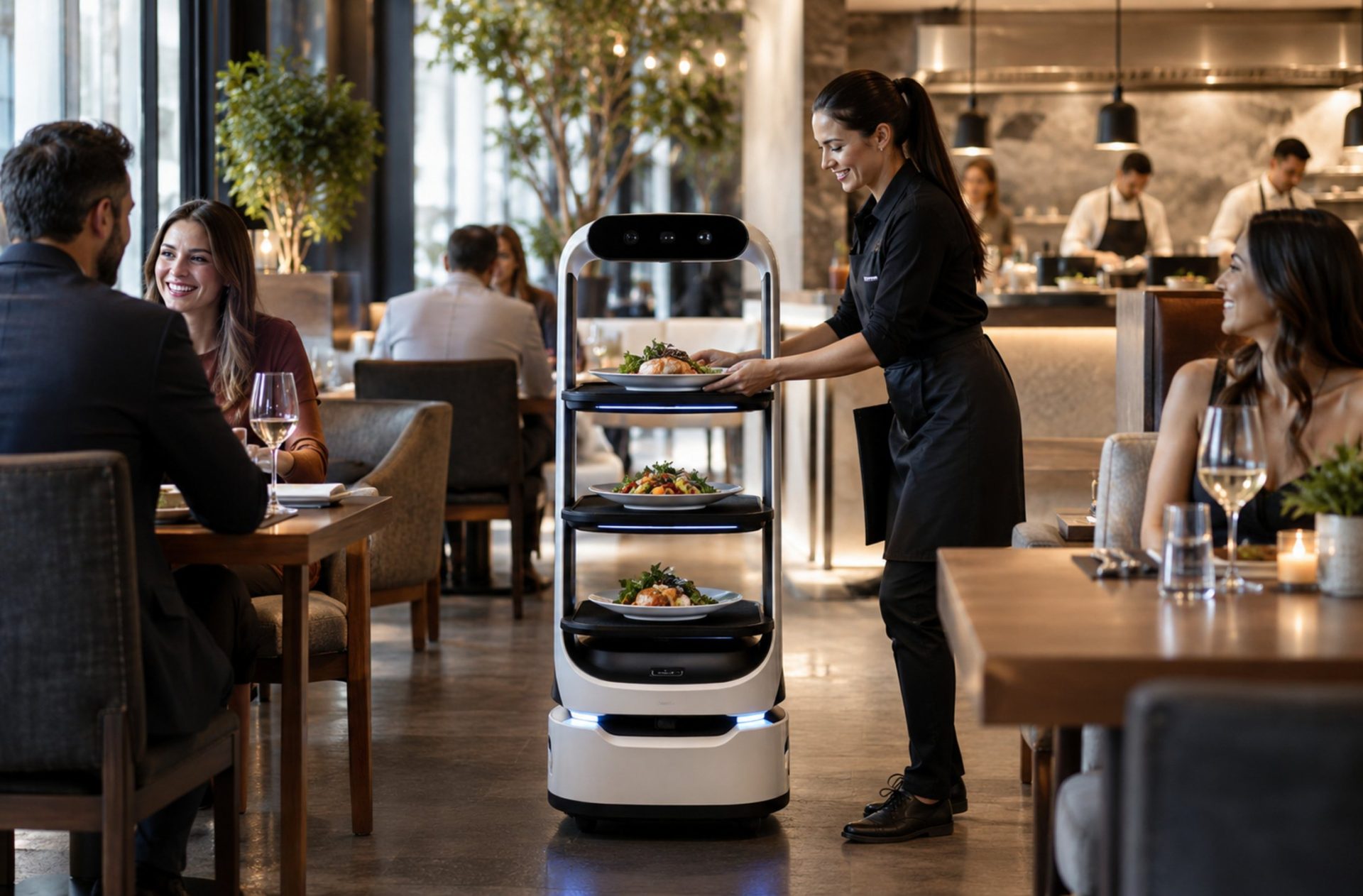
The market is beginning to reflect that shift. Richtech is using restaurant-industry events and investor communications to present AI-powered food and beverage systems, including ADAM-related beverage capabilities and automated preparation demonstrations [Lab-01] [Lab-02] [Lab-03]. Miso Robotics frames Flippy around throughput and repetitive fry-station work, including product materials that compare basket handling against human-staffed operation [Lab-04] [Lab-05]. Sweetgreen continues to reference its Infinite Kitchen technology in company materials, showing that automation is not only a quick-service idea but a broader operating experiment [Lab-06].
None of that proves that every restaurant needs robots. It proves that the conversation has become operational enough to deserve proper scrutiny.
Throughput is only the first question
The easiest number to sell is speed. If a system can produce more baskets, drinks or assembled bowls per hour, the case seems simple. But a restaurant does not operate inside a product sheet. It operates through peaks, lulls, staff shortages, cleaning routines, supplier variation, menu changes and human behaviour. A machine that performs well in a controlled demonstration still has to survive the untidy rhythm of service.
Throughput therefore belongs at the beginning of the buying conversation, not the end. Operators should ask how the number was measured, under what conditions, with which menu items, and with what level of human supervision. A robot that doubles output in a fixed test may still underperform if it slows cleaning, demands constant reset, creates a new maintenance burden or cannot adapt to the actual menu.
This is where the better robotics use cases become clearer. Frying, beverage preparation and repetitive assembly have a logic that many fine-dining chefs may instinctively resist but many operators will recognise. The work is repeated, heat or strain can be significant, quality consistency matters, and the output can be counted. In those zones, automation has something concrete to measure. In broader culinary tasks, the case becomes weaker unless the restaurant can define the job with equal precision.
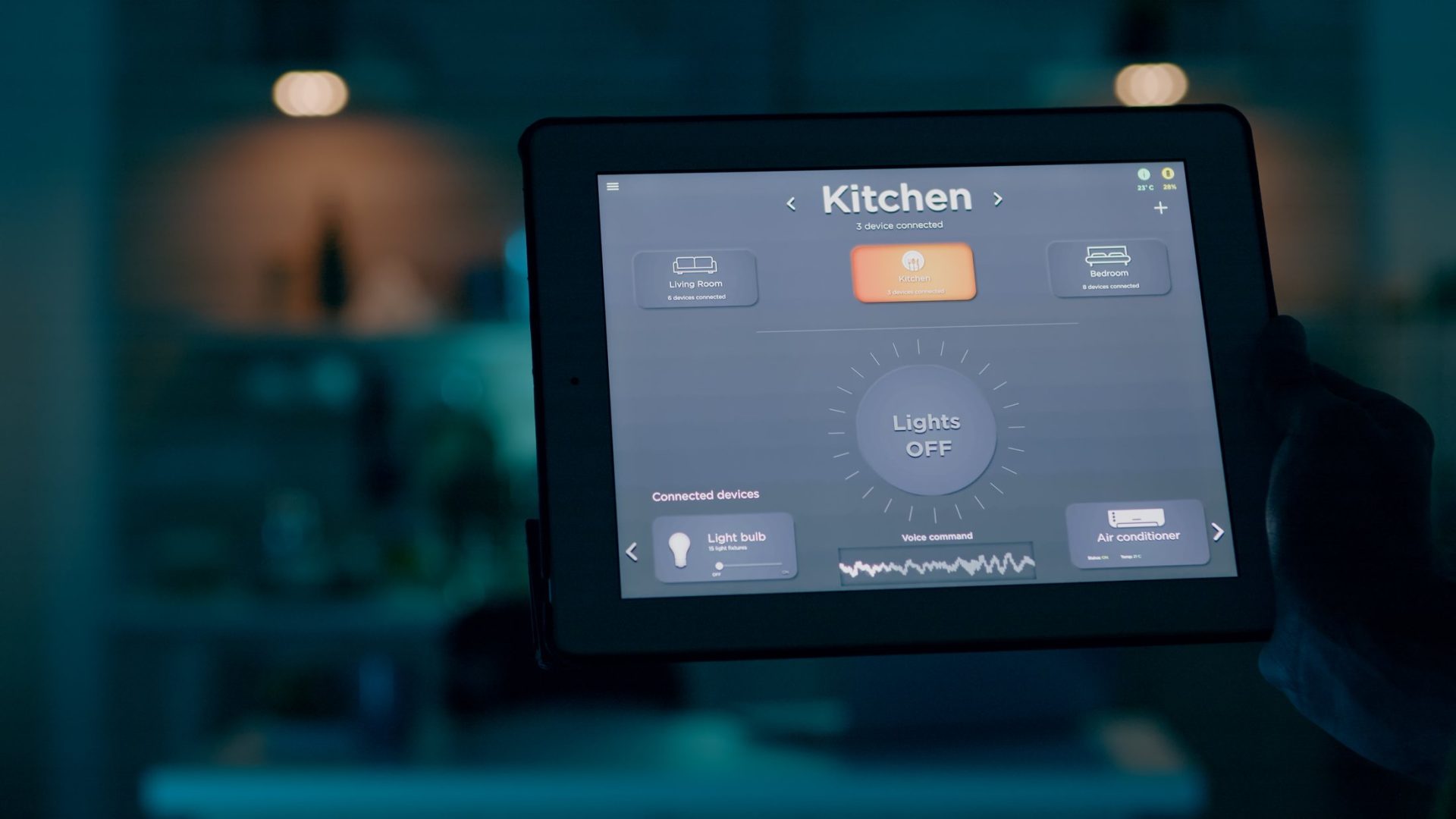
Photo: Kindel Media.
Heat, strain and consistency are part of the case
The strongest argument for kitchen robots is not that they make labour irrelevant. They do not. The stronger argument is that they can change where human attention is spent. A fry station is hot, repetitive and unforgiving. Beverage preparation at volume can become a bottleneck. Assembly work in fast casual depends on speed and consistency more than improvisation. These are not romantic parts of hospitality, but they can decide whether a shift feels controlled.
A robot that reduces heat exposure or repetitive strain has a safety argument as well as a labour argument. A system that produces more consistent output has a quality argument as well as an efficiency argument. A machine that keeps pace during peak demand can help the team direct human judgement toward the guest, the pass and the exceptions that actually require hospitality.
That is the difference between automation that threatens craft and automation that protects capacity. The former pretends a machine can replace the human centre of a restaurant. The latter admits that not every task deserves the same level of human effort. Good operators have always separated skilled work from routine drag. Robotics simply makes that separation more visible.
Vendor theatre is still a risk
The caution is necessary because foodservice technology is very good at promising a smoother future than kitchens usually experience. The phrase “AI-powered” can make a machine sound more adaptive than it is. A video can hide resets, cleaning, calibration, staff intervention and the parts of service that do not fit the demonstration. A case study can show output without showing the operational cost of achieving it.
Operators should therefore treat robotics claims as claims until tested in their own format. Richtech, Miso and Sweetgreen each point to a different part of the automation story, from hospitality robotics and beverage applications to fry-station automation and automated assembly [Lab-01] [Lab-04] [Lab-06]. The editorial lesson is not to rank the vendors. It is to separate use cases that can be evaluated from promises that remain too broad.
A restaurant should ask for evidence at the level of its own problem. If the issue is labour instability at the fryer, the test is not whether the robot is impressive. It is whether the station runs with fewer errors, less stress and a clearer labour model. If the issue is beverage speed, the test is ticket time, consistency, wastage and staff redeployment. If the issue is brand theatre, the operator should admit that theatre is the purchase and price it accordingly.
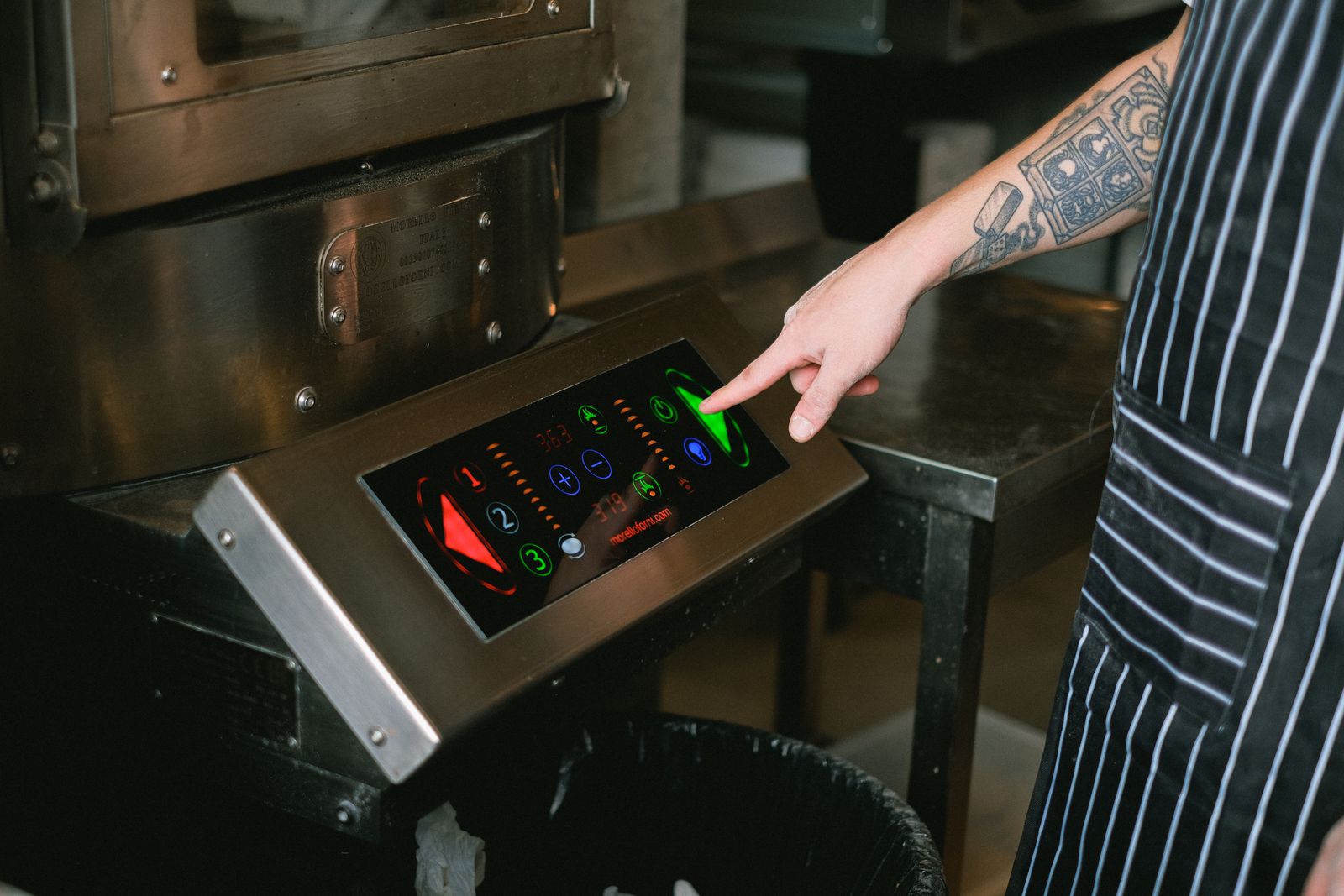
Photo: Anna Shvets.
The integration problem is where reality lives
A robot does not arrive alone. It needs space, power, cleaning procedure, training, staff acceptance, service support, warranty clarity, software updates and sometimes changes to menu design. It may also create data: production counts, failure logs, throughput records or visual-recognition outputs. That data can be useful, but only if someone owns it and acts on it.
This is where a robotics decision becomes a systems decision. The buyer should know whether the equipment talks to the POS, scheduling tools or kitchen display system. They should know who services it, how quickly, and what the kitchen does during downtime. They should know whether the chef can change menu items without reconfiguring the system beyond practical limits. They should know whether cleaning the system saves labour or simply moves labour to another part of the shift.
The first contract should not be signed before the failure mode is understood. What happens on Saturday night if the robot stops? Who reverts the station? How much cross-training is required? Does the team trust the machine enough to plan labour around it? These questions are not negative. They are the difference between a serious equipment purchase and an expensive demonstration.
Which formats are ready first
The most robotics-ready formats share three characteristics: repeated tasks, high volume and measurable leakage. Quick-service fry stations, fast-casual assembly, beverage kiosks, high-throughput event sites, airports, entertainment venues and hotel banqueting operations all have stronger conditions for automation than a small tasting-menu kitchen where every plate changes constantly.
That does not mean fine dining is irrelevant. High-end kitchens can still use automation in prep, inventory, waste tracking, dishwashing, beverage service or repetitive production. But the argument must remain honest. A robot is more likely to improve the hidden systems around a fine-dining restaurant than the authorship of the dish itself.
The next phase of restaurant robotics will belong to operators who can define the job before they choose the machine. The machine should not be bought because it photographs well. It should be bought because the current process leaks time, money, consistency or safety, and because the proposed system can improve that leakage without adding more operational noise. Robotics becomes serious only when it solves a narrow, measurable kitchen problem.
The purchase test should be boring
The best robotics purchase test is deliberately boring. Before the operator asks whether the machine is exciting, the team should write down the current station problem in plain language. For example: fryer output collapses during the lunch peak; beverage prep is inconsistent when two staff are absent; repetitive assembly creates strain and uneven portioning; a high-volume venue cannot recruit enough staff for the same physical task every day. If the problem cannot be written clearly, the robot is probably being bought for the wrong reason.
The second step is to measure the baseline. How many baskets, drinks or assembled items are produced per hour today? What is the error rate? How much product is wasted? How often does the station delay the pass? How much training is required for a new team member? How much does cleaning cost in time? These numbers do not need to be perfect, but they need to exist. Without a baseline, the operator is comparing a vendor promise to a feeling.
The third step is to price the new dependency. Robotics may reduce one kind of labour, but it can add service contracts, maintenance risk, staff retraining, spare parts, software updates and an operational plan for downtime. That does not weaken the case. It makes the case honest. The restaurants that benefit from robotics will be those that can say exactly what changed after installation and exactly what new responsibility they accepted in return.
Robotics becomes serious only when it solves a narrow, measurable kitchen problem.
Why It Matters
For operators, robotics should be evaluated like any other capital or leasing decision: what task changes, what cost changes, and what new dependency is created. The article helps chefs, owners and F&B leaders avoid both reflexive rejection and vendor-driven optimism.
What To Watch Next
Watch the next wave of robotics around fry stations, beverages, AI vision, repetitive assembly and high-volume service formats. The most important signals will be service reliability, leasing models, integrations and whether operators publish credible before-and-after operating data.
Sources & Further Reading
- [Lab-01] Richtech Robotics investor site
- [Lab-02] Richtech 2026 restaurant show release
- [Lab-03] Richtech ADAM espresso system release
- [Lab-04] Miso Robotics products
- [Lab-05] Miso Robotics company update
- [Lab-06] Sweetgreen quarterly results