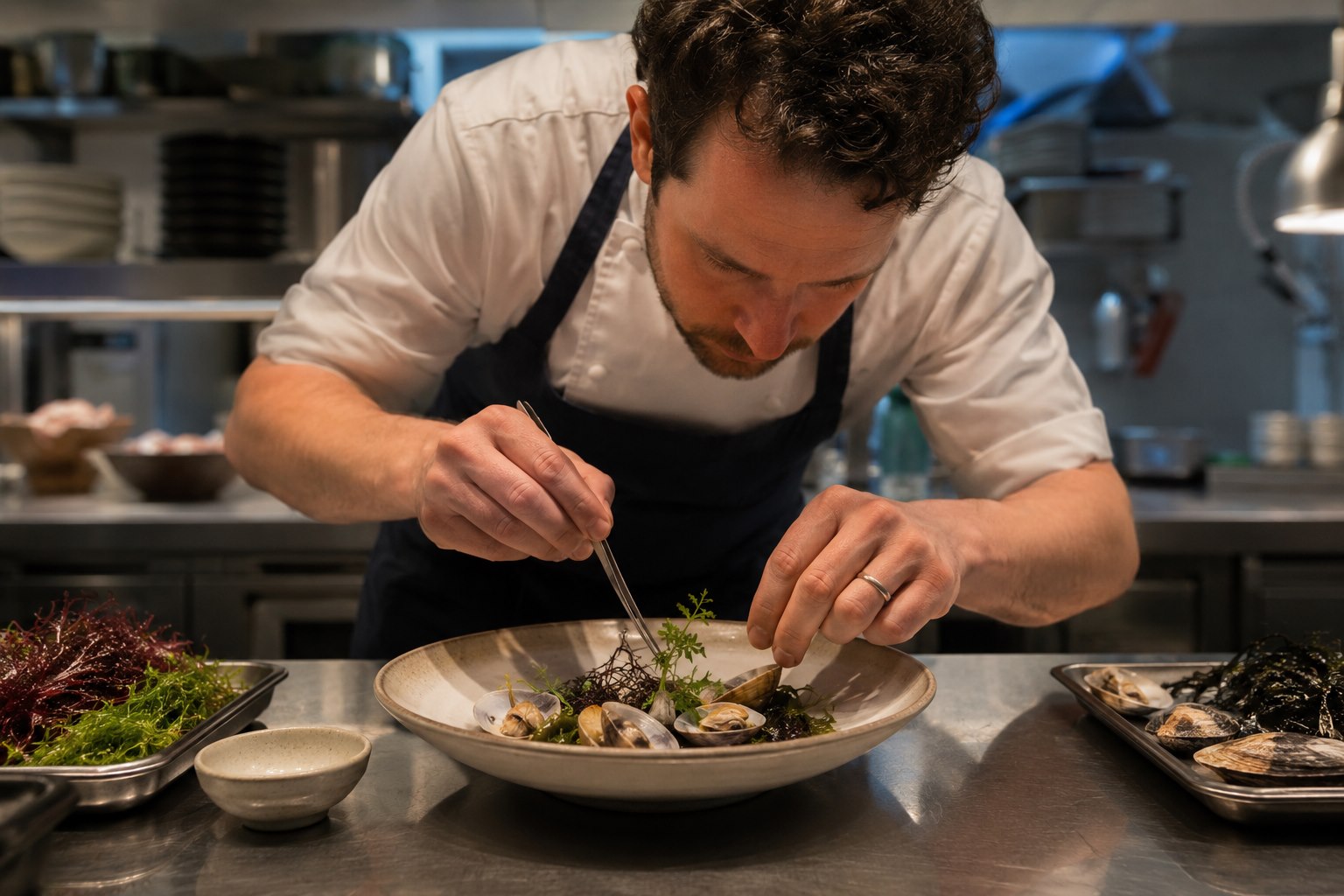
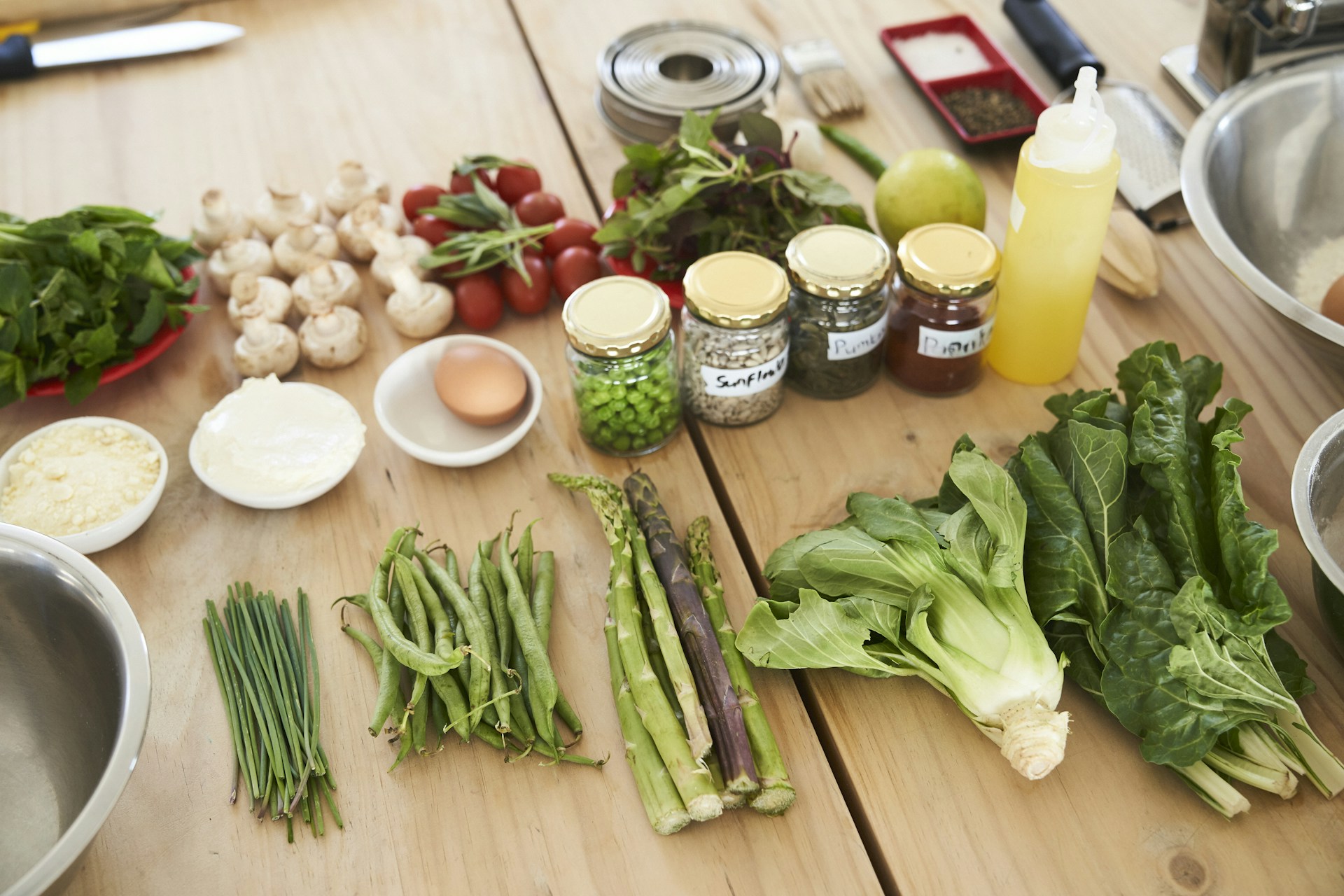
Restaurant sustainability is becoming harder to reduce to one badge, one phrase or one pretty farm image. Michelin’s recent sustainability coverage, Green Star updates and wider sustainable gastronomy material point towards a broader storytelling ecosystem: sourcing, energy, waste, labour, producer relationships, wine and daily operating proof. That is useful for chefs because the next phase is less about moral positioning and more about credibility. Readers do not need another sustainability sermon. They need to understand what responsible hospitality looks like in practice, how it appears on the plate, and how a restaurant can communicate it without overclaiming. The strongest sustainability stories in 2026 will be quieter, more specific and better evidenced.
Highlights
- Sustainability storytelling is moving beyond one-badge shorthand.
- Michelin’s Green Star and sustainable gastronomy coverage remain important signals.
- Credible claims need operational proof: sourcing, waste, energy, labour and producers.
- Chefs should explain sustainability through practice, not moral language.
- The strongest stories are specific enough to be trusted and culinary enough to matter.
Sustainability Needs More Than a Badge
Restaurant sustainability has often been asked to do too much with too little language. A green note on the menu. A farm photograph. A line about local sourcing. A badge, an award, a supplier name or a carefully chosen adjective. Some of this work is useful. Much of it is too thin to carry the complexity of how restaurants actually operate.
The next phase needs more discipline. Sustainability is no longer credible when it appears as a decorative claim beside the food. It has to connect sourcing, waste, energy, labour, producer relationships, wine, water, menu design and daily practice. The best restaurants already know this. The challenge is communicating it without turning dinner into a lecture or making claims the team cannot prove.
Michelin’s sustainability framing is a useful signal. In early 2026, the Guide added seven new Green Stars in Great Britain and Ireland, bringing the total there to 37 [Pass-24]. Michelin also continues to publish sustainable gastronomy material and editorial initiatives such as Mindful Voices, which amplify chefs, hoteliers and wine producers shaping more responsible hospitality [Pass-06] [Pass-25]. Alongside this, wider coverage has shown that the meaning and handling of the Green Star remains part of an active conversation, not a settled matter [Pass-26].
For chefs, the message is clear. Sustainability now needs evidence, not only a badge and a beautiful sentence.
What Michelin Changed and Why It Matters
Michelin matters because it gives language to the wider market. The Green Star helped create a recognisable symbol for restaurants working seriously on sustainability, but the symbol was never enough on its own. A badge can open the door. It cannot explain the whole house.
The more interesting movement is from accolade to ecosystem. Michelin’s sustainable gastronomy coverage does not only point to ingredients. It touches chefs, producers, hotels, wine and broader responsible practice [Pass-25] [Pass-28]. That wider frame is useful because sustainability in restaurants is not one department. It is a set of decisions repeated every day.
The risk is that restaurants use the word “sustainable” faster than they can support it. Guests have become more alert to vague claims. So have journalists, guides and peers. A restaurant that speaks too broadly about responsibility without being able to explain sourcing, waste, energy use or producer relationships weakens trust.
This does not mean every restaurant must publish a technical report. It means the story must have a spine. The team should know what the restaurant does, why it matters, what is still unfinished and which claims should be avoided.
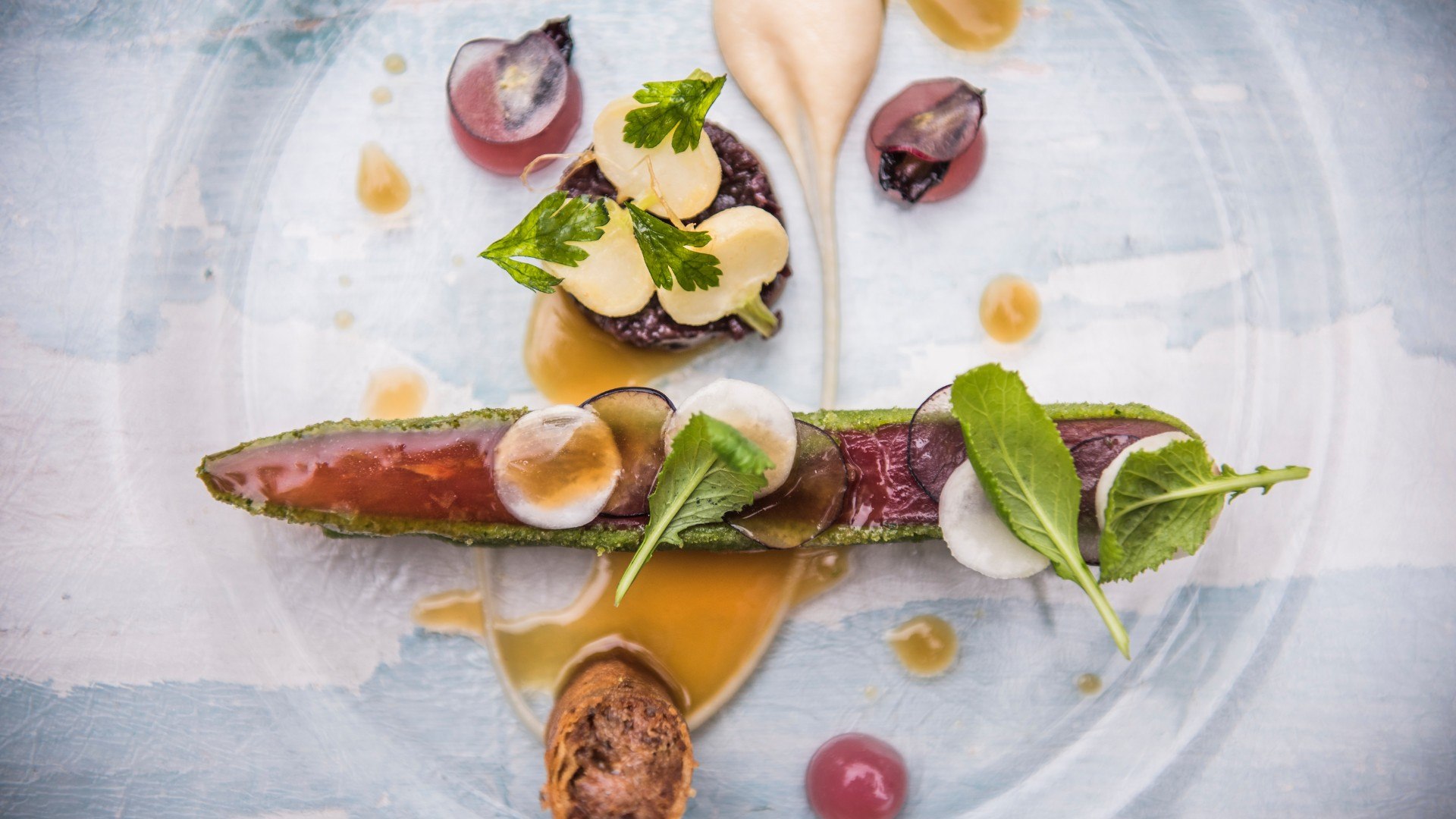
Image source: CHEFS MAG archive — original credit not recorded.
From Accolade to Evidence
Evidence does not have to be loud. In luxury hospitality, it is often strongest when handled with restraint. A chef does not need to announce moral superiority. They need to show decisions: what is bought, what is grown, what is wasted, what is preserved, what is reused, what is served less often, and which producers are treated as collaborators rather than suppliers.
Sourcing remains the most visible part of the story. But sourcing alone is not enough. A local ingredient can still be wasteful if handled poorly. A seasonal menu can still be weak if the restaurant overproduces. A beautiful farm relationship can become marketing theatre if the kitchen cannot explain how it changes the dish.
Waste is another test. It has moved from back-of-house housekeeping to a serious operational issue. The strongest sustainability stories will be able to connect trimmings, preservation, staff meals, ordering, prep discipline and menu design. The guest may not see all of that, but the integrity of the dish depends on it.
Energy and equipment are becoming part of the same conversation. A restaurant that talks about responsible hospitality while ignoring heat, ventilation, refrigeration or kitchen efficiency is telling an incomplete story. The detail need not appear in every article or menu line, but it should exist behind the claim.
How Chefs Can Tell Credible Sustainability Stories
The first rule is to avoid overclaiming. “Sustainable” is often too large a word unless the restaurant can define it. More useful language is usually more specific: grown within a certain relationship, sourced from a named boat, preserved from a seasonal surplus, designed to reduce waste, served with a producer’s harvest, cooked using a method that reflects a clear operational decision.
The second rule is to make the claim culinary. If sustainability does not improve the dish, clarify the dish or deepen the guest’s understanding, it risks becoming external messaging. The best examples make responsibility taste like place, season, discipline or care.
The third rule is to give the service team language. A sustainability story that only the chef can explain is fragile. Front-of-house needs one or two precise sentences per major claim. Not a speech. Not a script heavy with virtue. A clean explanation of why this ingredient, this producer or this method matters.
The fourth rule is to admit incompleteness. Restaurants are complex businesses. No serious operator has solved every question around waste, labour, energy, sourcing and packaging. Acknowledging work in progress can build more trust than pretending the whole system is perfect.
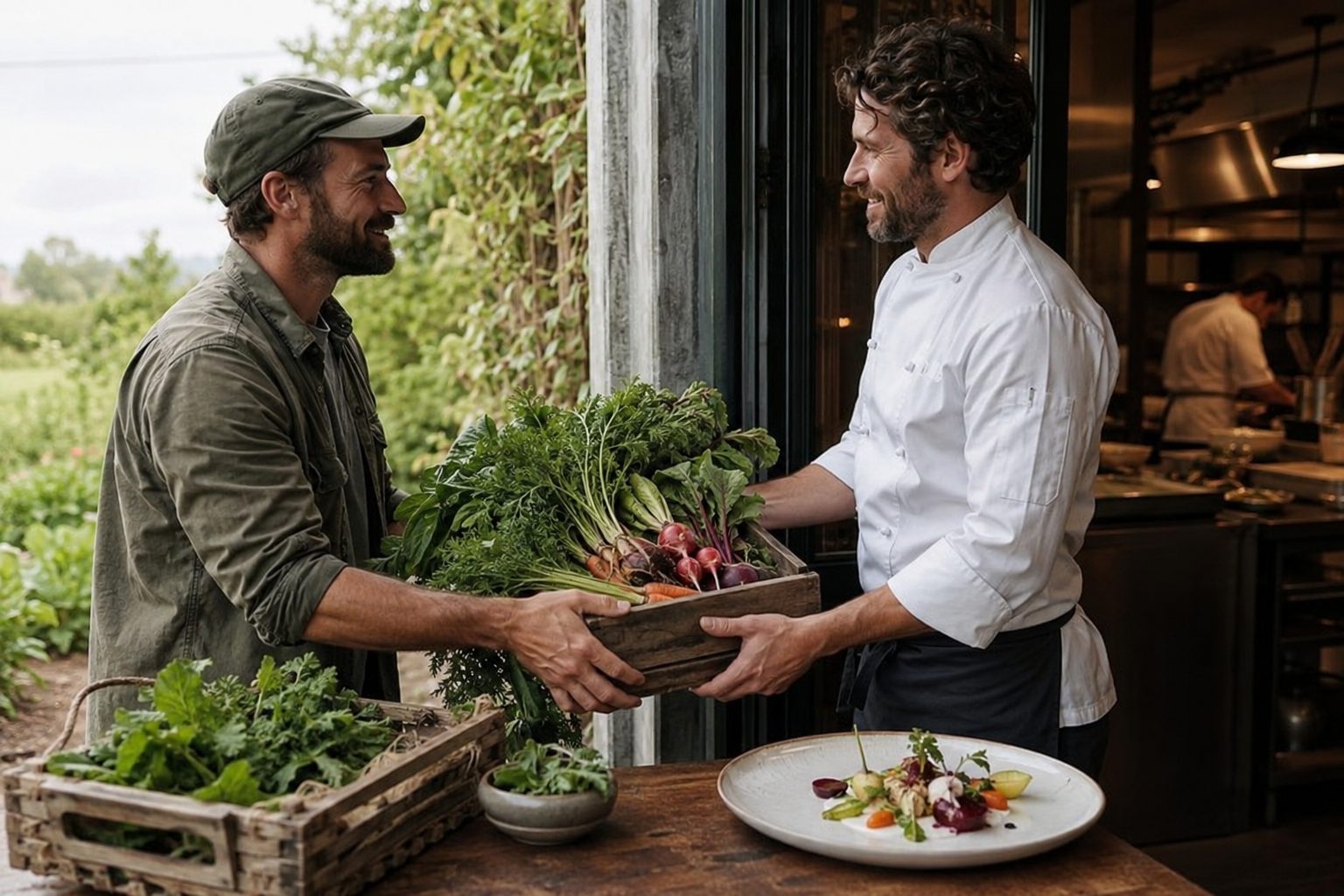
Image source: CHEFS MAG archive — original credit not recorded.
Sourcing, Waste, Workforce, Energy and Wine
The next sustainability brief is wider than the plate. Sourcing matters, but so does workforce. A restaurant cannot speak credibly about responsible hospitality while ignoring the conditions under which hospitality is produced. Training, retention, scheduling and team culture are part of the system.
Wine and beverage are part of it too. The cellar has its own questions around transport, packaging, alcohol moderation, local producers, list architecture and waste from slow-moving bottles. A restaurant’s sustainability story should not stop at the kitchen door.
Producer access is another practical question. The most compelling restaurants often bring producers closer to the narrative without turning them into props. A farm, fishery, vineyard or grower can shape a menu more deeply than a logo suggests. The strongest stories show how the relationship changes what the guest eats.
What to Ask When a Restaurant Says It Is Sustainable
A useful reader checklist is simple. What is the claim? Who can verify it? Does it describe one dish, one supplier, one practice or the whole restaurant? Does the kitchen’s behaviour match the menu language? Does the service team understand it? Does the claim make the food more legible, or is it only a line of positioning?
Chefs should ask the same questions internally. If a claim cannot be explained plainly, it is probably too vague. If it cannot be supported by a source, practice or producer relationship, it should be softened or removed. If it sounds impressive but does not change the guest’s understanding, it may not belong in the story.
Where Chefs MAG Can Own the Conversation
Chefs MAG should not cover sustainability as moral decoration. The opportunity is to cover it as craft and systems thinking. That means better reporting on sourcing, waste, energy, labour, producer relationships and the way responsibility becomes visible in a dish.
The future of this topic is not louder language. It is stronger proof. After the Green Star, the most interesting sustainability stories will be those where the restaurant can show its work without losing the pleasure of the table.
There is a commercial reason to be precise. Sustainability language is increasingly part of how restaurants attract staff, suppliers, sponsors, hotel partners and guests. Weak claims may create short-term warmth, but they also create reputation risk. A chef who says less and proves more will usually be safer than one who wraps ordinary practice in inflated language.
The same discipline should apply to imagery. A photograph of soil, hands or a garden can be beautiful, but it should not replace explanation. If the restaurant uses a kitchen garden, explain how much it actually supplies. If a producer relationship matters, explain what changes on the menu because of it. If waste is being tracked, explain what behaviour changed as a result. The story does not need to be loud. It needs to be honest enough that another professional would respect it.
That is where Chefs MAG can take a stronger position than ordinary food media. The role is not to reward the prettiest claim. It is to ask what has changed in the kitchen, on the invoice, in the bin, on the rota and on the plate. Sustainability becomes interesting when it becomes operationally visible and culinarily persuasive at the same time.
That balance is what separates serious restaurants from fashionable positioning. A claim should make the plate clearer, the supplier relationship more understandable or the operation more trustworthy. If it does none of those things, it is probably branding, not journalism and not hospitality. The stronger editorial question is always the same: what changed in the restaurant because of this belief, and can the guest, the team and the producer recognise that change in daily practice, not only in polished copy or a seasonal press note written for easy applause from inattentive readers or lazy headlines?
Sustainability now needs evidence, not only a badge and a beautiful sentence.
Why It Matters
This matters because sustainability claims increasingly affect trust, awards, sourcing, menu language and supplier relationships. Chefs and operators need to communicate responsible practice with proof and restraint, not slogans. A credible sustainability story should improve how the guest understands the restaurant, not burden them with moral theatre.
What To Watch Next
Watch whether restaurants move from generic sustainability claims towards specific evidence: named producers, waste systems, energy decisions, workforce practices and beverage choices. Also watch how guides and media continue to frame the Green Star and wider sustainable gastronomy language.
Sources & Further Reading
- [Pass-06] Michelin France 2025 and Mindful Voices reference
- [Pass-24] Michelin Green Stars Great Britain & Ireland 2026
- [Pass-25] Michelin sustainable gastronomy community
- [Pass-26] Guardian on Michelin Green Star change
- [Pass-27] Michelin top food trends 2026
- [Pass-28] Michelin Sustainable Gastronomy Day feature