
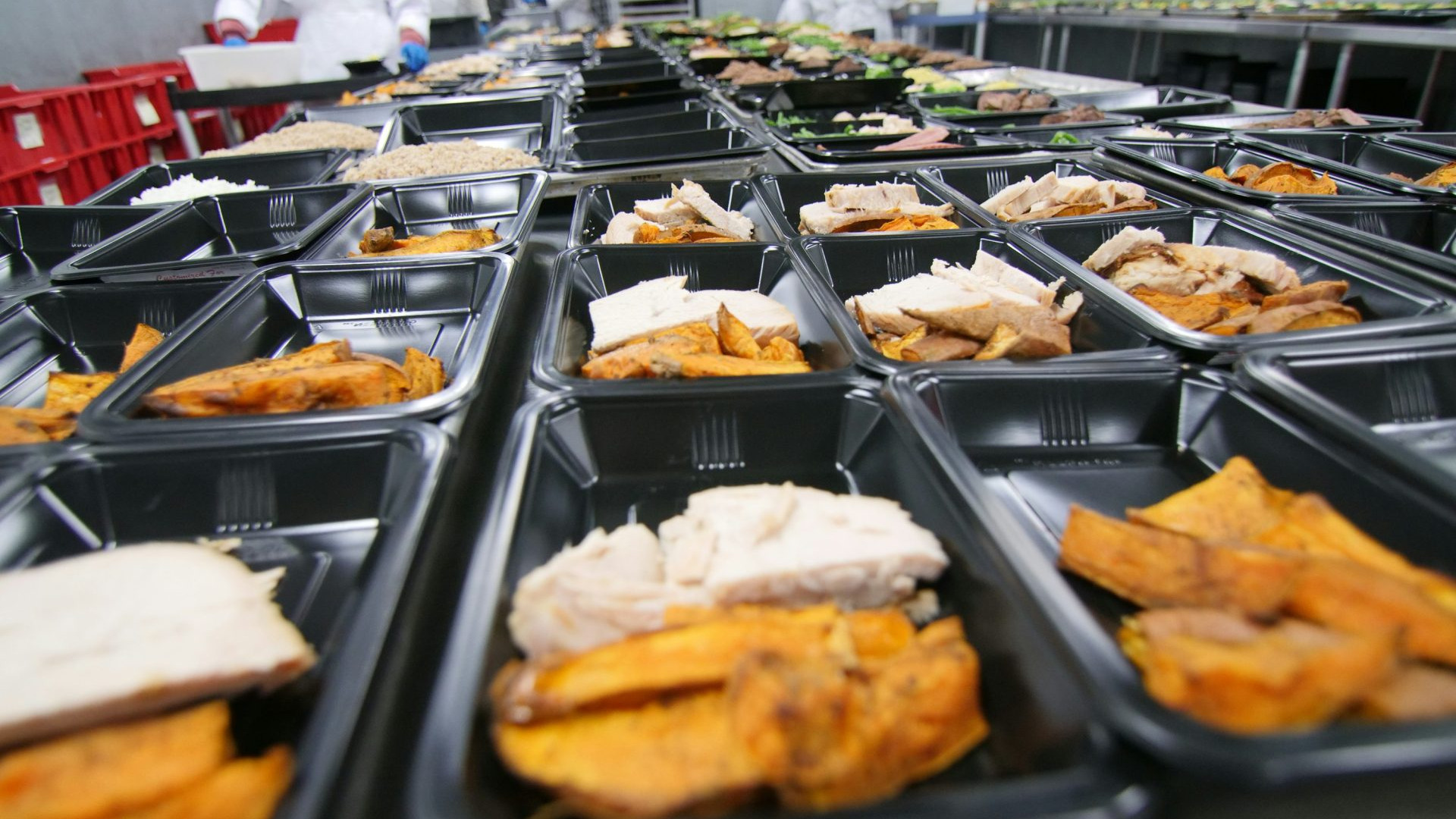
Food waste has always been visible in the bin, but often invisible in management. AI waste tracking changes the question from “did we waste too much?” to “where, when and why did waste happen?” ReFED, academic foodservice pilots and industry guidance point toward a future in which cameras, smart scales and analytics can help operators track prep waste, overproduction, spoilage and shift patterns. The commercial case is strongest when measurement changes behaviour: prep sheets, ordering, menu design and training. A dashboard that nobody acts on is not intelligence. It is theatre.
Highlights
- Food waste is becoming an information problem, not only a sustainability problem.
- AI can help identify prep waste, spoilage, overproduction and shift-level patterns.
- The ROI depends on changed behaviour, not just better measurement.
- Waste data should connect to ordering, prep sheets, forecasting and menu design.
- The best system is the one the kitchen actually uses after the novelty has gone.
The bin is becoming a data source
Most kitchens know they waste more than they should. The difficulty is not awareness. It is precision. Waste happens across prep, spoilage, overproduction, trimming, ordering errors, service misreads, buffet management, returned plates and staff habits. By the time it reaches the bin, the cause is often blurred.
This is why AI food waste restaurants should be understood as an operations subject before it is treated as a sustainability subject. The moral argument is clear, but the management argument is sharper. If a kitchen can see what it wastes, when it wastes and why it wastes, it can change ordering, prep, menu design and training. If it cannot see those patterns, waste remains a cost that everyone regrets and nobody owns.
ReFED’s work asks directly what role AI can play in reducing food waste today [Lab-13]. Academic evidence is also moving from concept to foodservice environments, including work on AI-based automatic food-waste tracking in HORECA contexts across European markets [Lab-14]. Reviews of AI technologies for food waste reduction point to a wider toolkit: prediction, recognition, classification and decision support [Lab-15]. The commercial question is not whether waste tracking sounds responsible. It is whether it changes the next prep list.
Manual measurement is useful, but fragile
Manual waste logs can work. They also require discipline, time and consistency from teams that are already busy. A chef can ask staff to weigh trim, label spoilage and record overproduction, but the quality of the data depends on whether the team remembers, understands and believes the process matters. Under pressure, logging is one of the first habits to fail.
Automated tracking attempts to reduce that fragility. Cameras, recognition tools, scales and dashboards can identify categories of waste with less manual effort. They can show repeated patterns: too much mise en place before quiet services, specific products spoiling before use, recurring overproduction on certain days, or plate waste linked to portion size. Those patterns are more useful than a weekly guilt number.
The National Restaurant Association has long framed waste reduction as financially meaningful, including the widely cited argument that food-waste reduction can return multiple dollars in savings for each dollar invested [Lab-16]. The exact return will depend on format, discipline and baseline waste, but the principle is important. Waste is not a soft sustainability issue. It is margin leaking through process.

Photo: Sarah Chai.
What AI waste tracking can actually see
A good waste system should not claim omniscience. It can usually see categories, volume, timing and correlation better than it can understand culinary intention. That is still useful. Prep waste may reveal training or purchasing issues. Spoilage may reveal ordering or storage problems. Overproduction may reveal weak forecasting. Returned plate waste may reveal portion, seasoning, texture or expectation problems.
Computer vision and classification tools are especially relevant where waste flows through repeatable stations. They may help distinguish vegetable trim, protein offcuts, starch overproduction or buffet leftovers. Smart scales can add weight and cost context. Dashboards can then connect the waste event to time of day, outlet, shift, menu item or service type.
The value is in moving from anecdote to pattern. A chef might suspect that a garnish is being overproduced. A dashboard can show the frequency and cost. A manager might think Monday prep is too heavy. Waste data can confirm whether the pattern repeats. A sustainability lead might want better reporting. The same system can support margin, procurement and environmental goals at once.
The dashboard must change the kitchen
The danger is obvious. Waste technology can become another dashboard nobody uses. Kitchens do not improve because a chart exists. They improve because the chart changes a behaviour: smaller prep batches, revised par levels, better storage, tighter purchasing, clearer menu forecasting, staff retraining or a dish redesign.
This is where implementation matters more than software. Operators should decide who reviews the data, how often, and with what authority. The chef, sous chef, purchaser and general manager may all need different views. A daily prep adjustment is different from a weekly purchasing decision. A quarterly sustainability report is different again.
The Financial Times has covered restaurants using AI to cut waste, reflecting a wider industry interest in turning waste reduction into measurable operational practice [Lab-17]. But the strongest systems will not be those with the most elegant interface. They will be those that make it easier for a chef to ask, “What should we do differently tomorrow?”

Photo: Rachel Claire.
Waste data belongs beside forecasting
Waste should not live in isolation. It belongs beside sales, reservations, weather, events, menu mix and staffing. A restaurant that produces too much fish on rainy Tuesdays may not have a waste problem only. It may have a forecasting problem. A banqueting kitchen that repeatedly discards one side dish may not have a sustainability problem only. It may have a menu design or portioning problem.
This is why waste intelligence connects naturally with back-of-house forecasting. CAVA’s impact report includes work around generative AI for demand forecasting and prep optimisation [Lab-18]. That type of logic matters because waste often begins before the product is cooked. It begins when the forecast is wrong, the order is too generous, or the prep list is written from habit rather than evidence.
The ideal waste system therefore feeds other decisions. Ordering should change. Prep sheets should change. Menu engineering should change. Staff training should change. If none of that changes, the restaurant has bought visibility, not intelligence.
A realistic adoption path
The first step is not necessarily a full AI installation. It is a waste map. Where does waste appear today? Prep trim, spoilage, overproduction, plate waste, buffet, bar fruit, pastry, staff meal, banqueting, events? Which category is probably most expensive? Which one is easiest to change? Which team owns it?
From there, a restaurant can decide whether manual tracking is enough, whether smart scales would help, whether computer vision is justified, or whether forecasting tools would deliver more value before bin-level tracking. A small independent restaurant may need a disciplined weekly audit. A hotel, group or high-volume kitchen may justify automated systems sooner because the savings, reporting needs and operational complexity are larger.
The buying test should stay practical. What will the system recognise? How accurate is it in our environment? How much staff input is still required? Does it connect to purchasing or forecasting? Can the team act on the reports? How quickly can a behaviour change be measured?
A bin that produces useful data is no longer a bin; it is a margin report. But the word “useful” does the work. AI can help a restaurant see waste more clearly. Only management can turn that clarity into better cooking, better ordering and a calmer, less leaky kitchen.
The chef still owns the decision
Waste data can show the pattern, but the chef still has to interpret it. A high trim level may mean poor knife skills, but it may also mean the product specification is wrong. Plate waste may mean portions are too large, but it may also mean a garnish is misunderstood, a texture is failing, or a service team is overselling a dish to the wrong guest. Data narrows the question. It does not replace culinary judgement.
This is why the review meeting matters. A waste dashboard should not live only with a sustainability manager or finance team. The chef, purchasing lead and service manager all need to see the patterns that affect their decisions. If pastry waste is high, the solution may be batch size. If seafood waste is high, it may be ordering cadence. If buffet waste is high, it may be display strategy. If plate waste is high, it may be menu language, portion or expectation.
The best kitchens will use waste data without making the team feel watched for punishment. The tone should be improvement, not surveillance. A cook who understands that a prep change saves product, labour and pressure is more likely to participate. A cook who feels the bin has become a disciplinary camera will work around the system. Waste intelligence only becomes useful when the brigade trusts that the purpose is a better kitchen.
One further test is whether the waste conversation reaches the menu before the menu reaches the bin. If the same item repeatedly creates loss, the answer may not be a smaller order. It may be a different cut, a different garnish, a clearer portion, a better preservation method or the removal of a dish that no longer earns its place. Waste intelligence becomes most powerful when it influences design before production begins.
For that reason, the first month after installation should be treated as a behaviour trial, not only a data trial. Did the chef change the prep sheet? Did purchasing adjust order quantities? Did the sous chef change batch size? Did service alter how a dish is described? If the answers are no, the system may be collecting information faster than the restaurant can use it. That is not a technology failure alone. It is a management design failure.
A bin that produces useful data is no longer a bin; it is a margin report.
Why It Matters
Waste intelligence sits at the junction of margin, sustainability and kitchen discipline. For chefs and operators, the value is not the dashboard itself but the changed behaviour that follows: ordering, prep, training, menu design and forecasting.
What To Watch Next
Watch smart scales, AI vision, integrated procurement tools and foodservice pilots across hotels, groups and high-volume operations. The most important evidence will be whether waste data alters purchasing and prep routines, not whether dashboards look sophisticated.
Sources & Further Reading
- [Lab-13] ReFED on AI and food waste
- [Lab-14] ScienceDirect on AI automatic food-waste tracking in HORECA
- [Lab-15] MDPI review of AI technologies for food waste reduction
- [Lab-16] National Restaurant Association on reducing food waste
- [Lab-17] Financial Times on restaurants using AI to cut waste
- [Lab-18] CAVA Impact Report