Earlier dining is no longer only a pre-theatre quirk or a discount lever. It is becoming a serious service-clock question for premium restaurants. Reports around 5pm and 6pm bookings point to a visible change in diner behaviour, while wider 2026 restaurant material keeps value, comfort, wellness, occasions and ambience close to the centre of demand. For operators, the shift changes more than the booking grid. It affects menu length, staffing, table turns, alcohol attachment, aperitif strategy and how the room moves from early evening into late service. The best restaurants will not treat early diners as bargain seekers. They will design a proper premium offer for a guest who wants the experience earlier, cleaner and easier to fit into real life.
Highlights
- 5pm and 6pm dining is becoming an operational signal, not only a scheduling detail.
- Earlier premium dining needs its own menu rhythm, not a weakened version of dinner.
- Wellness, cost, work patterns, transport and moderation all support the shift.
- Operators can improve first sitting, table turns and aperitif strategy.
- Late-night restaurants need sharper identity if the service curve moves earlier.
The First Sitting Has Changed
The 5pm table used to carry a faint embarrassment in some premium dining rooms. It belonged to pre-theatre guests, families, tourists with plans, or diners looking for value before the room reached its full evening temperature. That reading is becoming outdated. Earlier dining is no longer a side pocket of the schedule. It is becoming part of the main service strategy.
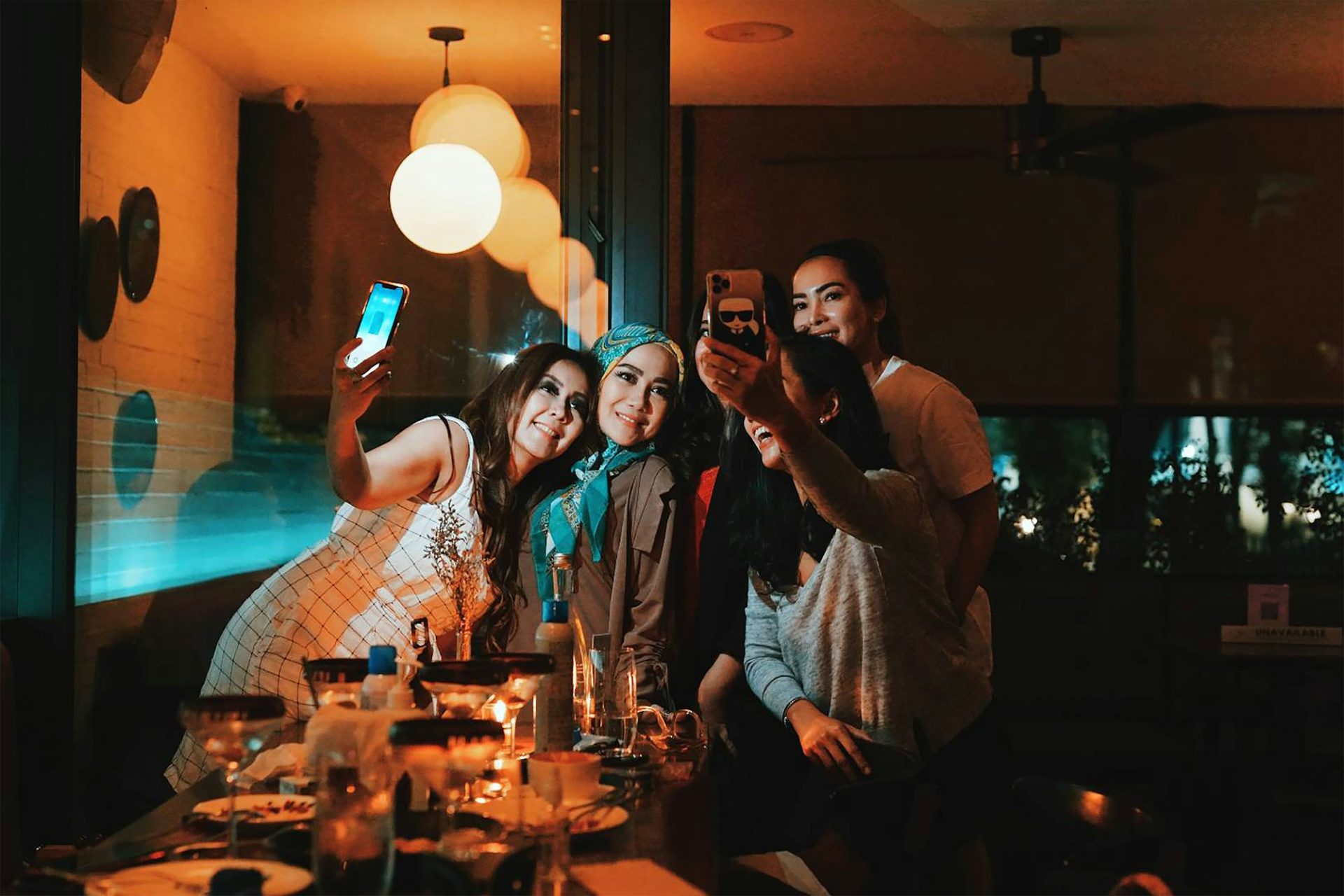
The shift is visible because it changes the room. Daylight is still present. The first drink arrives earlier. Guests may want the pleasure of a serious meal without the fatigue of a late finish. They may be managing work, childcare, transport, health, spending or simply the desire to sleep better. None of that makes the demand less premium. It makes it different.
Financial Times and The Times have both reported a marked rise in 5pm and 6pm dining in the UK, drawing on OpenTable data [Pass-19] [Pass-20]. At the same time, National Restaurant Association 2026 material keeps comfort, health and value central to consumer decisions [Pass-21], while OpenTable’s wider 2026 research continues to show that people still spend for occasions and ambience [Pass-01] [Pass-23]. The result is not the death of the evening. It is a reshaping of the service curve.
The Booking Data Behind the 5pm Shift
Restaurants should be careful not to overread one behaviour as a universal rule. The earlier table will not mean the same thing in every city, every format or every price tier. But the signal is strong enough to deserve operational attention. When booking behaviour moves, the kitchen, floor, bar and financial model all feel it.
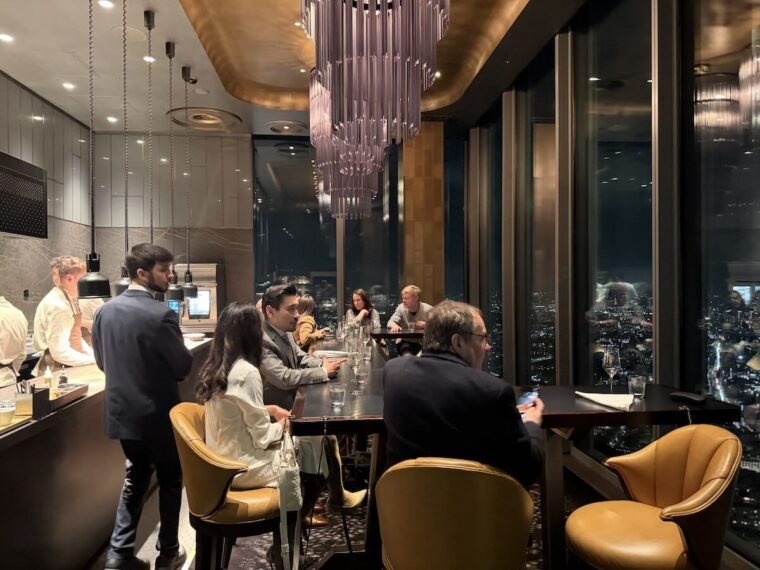
A restaurant that fills earlier can use labour differently. It can turn tables with more control, build pre-peak momentum, reduce the pressure of one compressed late sitting and give the bar a stronger role before dinner. It can also create a clearer bridge between lunch, aperitif, early dinner and late evening. That bridge is where margin often hides.
The mistake is to treat earlier guests as less valuable. If the offer is only a discount menu with weaker energy, the room teaches guests to expect less. A proper early premium offer should have its own logic: slightly faster pacing, clearer pricing, a strong aperitif proposition, perhaps a shorter menu, and service that makes the guest feel expected rather than accommodated.

Photo: Fabian Reck.
Why Earlier Dining Appeals Now
Earlier dining sits at the intersection of several habits. Wellness matters. Moderation matters. Transport matters. Work patterns have changed. Guests are more aware of cost, but they are not necessarily abandoning premium experiences. They are choosing when those experiences fit more comfortably into the rest of their lives.
That is why the language of value needs care. Value does not only mean lower price. It can mean less friction. A guest may value leaving at 7.30pm, catching a train without stress, drinking less, sleeping better or eating a serious menu without turning the next morning into punishment. Restaurants that understand this can design around it without cheapening the offer.
There is also a generational reading, but it should not be made too loudly. Earlier dining is often associated with younger guests, wellness and moderation. Yet older diners, business travellers, parents, tourists and theatre audiences may respond to the same pattern for different reasons. The operational opportunity is not a demographic stereotype. It is a daypart with clearer intent.
The earlier table is not a discount slot. It is a different shape of premium demand.
Wellness, Cost, Transport, Work Patterns and Moderation
The strongest early dining strategies acknowledge the reasons guests arrive earlier without spelling them out awkwardly. Menus can be lighter without sounding medicinal. Pairings can include no-alcohol or lower-alcohol options without treating them as compromise. Service can be efficient without feeling rushed. The room can feel alive without pretending it is midnight.
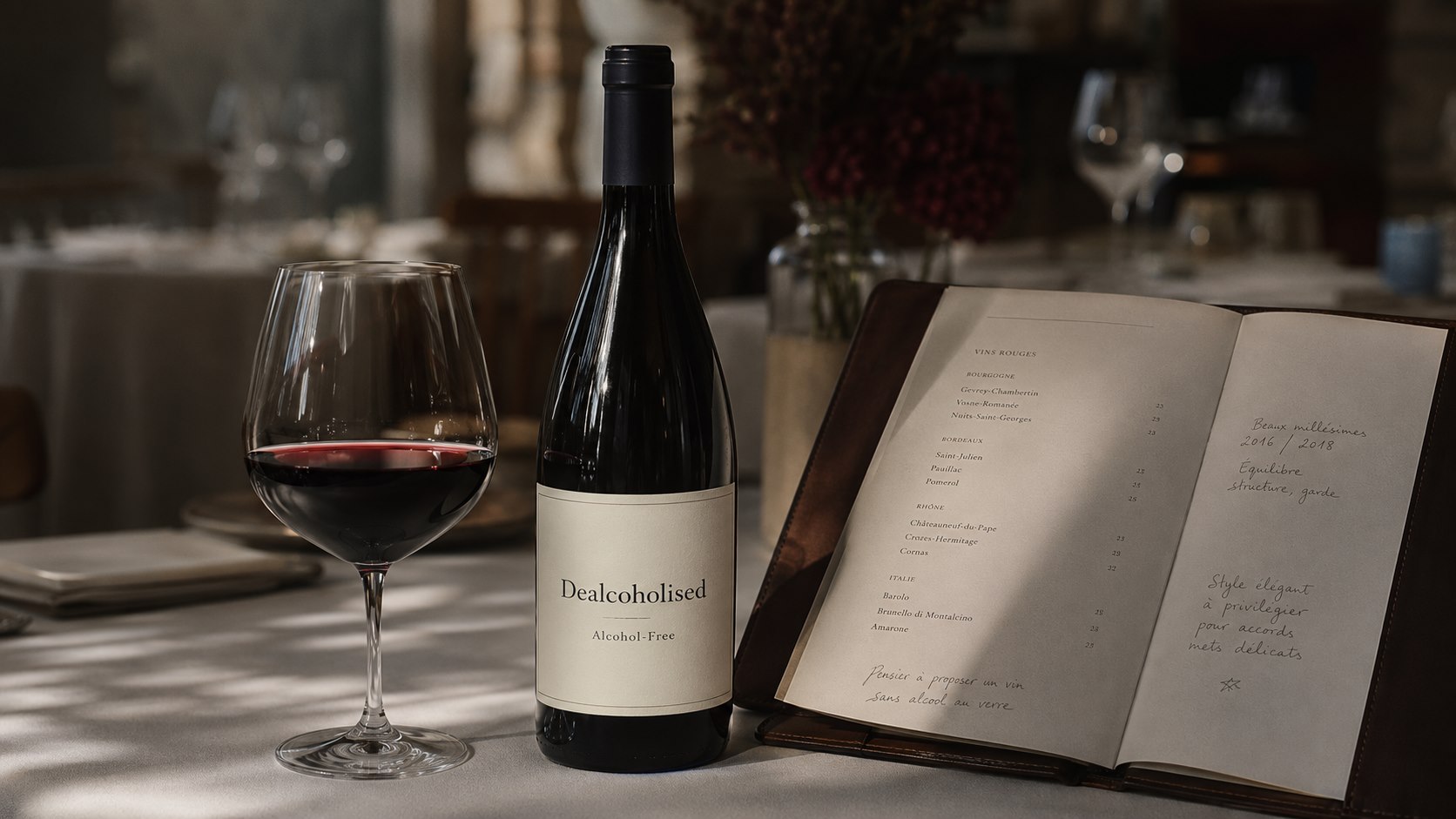
Aperitif strategy becomes especially important. A guest arriving at 5pm may not want the same drinking pattern as a guest arriving at 8.30pm. The bar should not simply wait for the late evening. It can build lower-ABV, non-alcoholic, spritz, bitter, tea-led or savoury openings that suit the hour and still protect margin.
Kitchen pacing also changes. Earlier guests may respond well to shorter formats, strong prix fixe structures, seasonal menus and dishes that read as generous but not heavy. That does not mean removing indulgence. It means understanding that the guest may want pleasure with less drag.
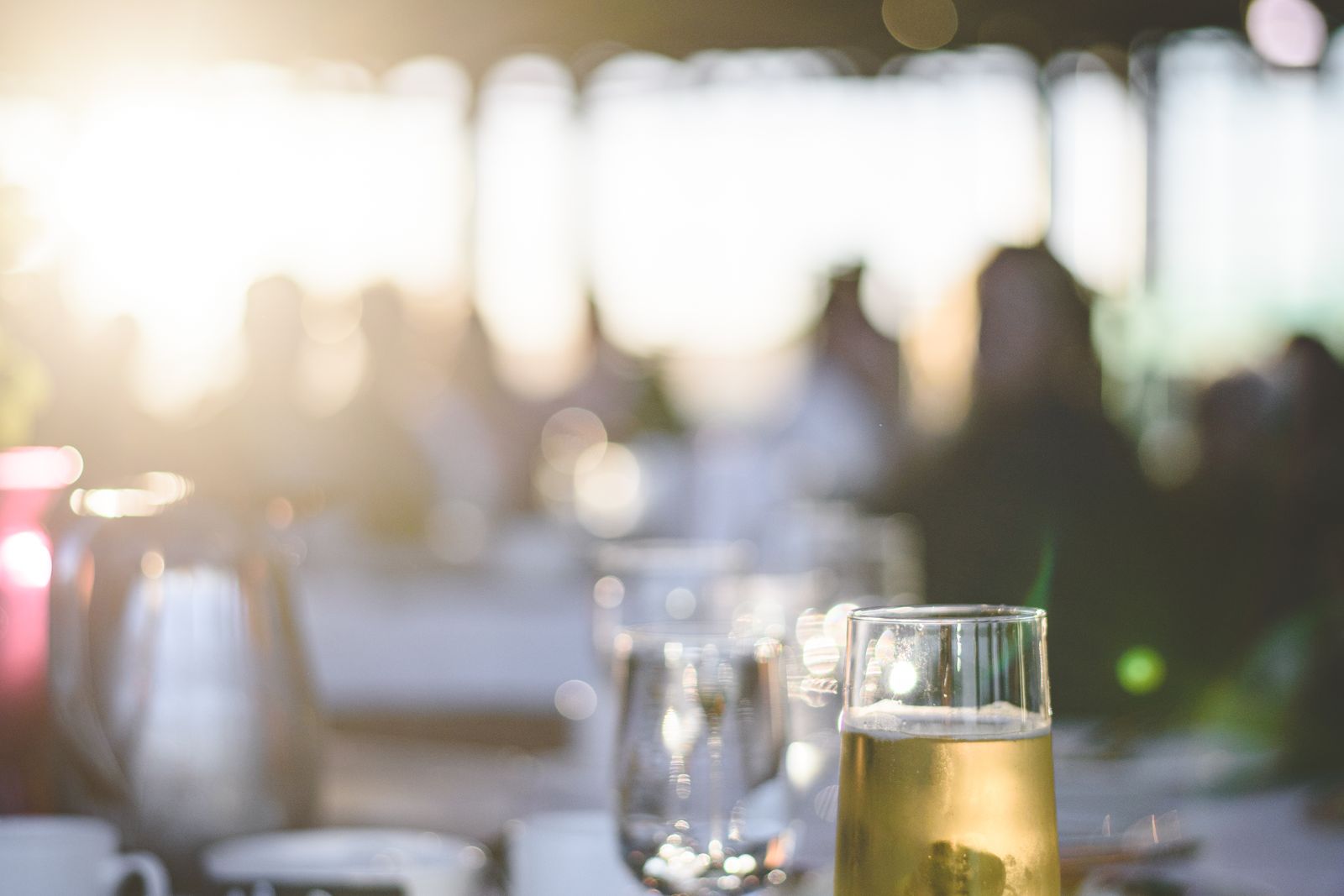
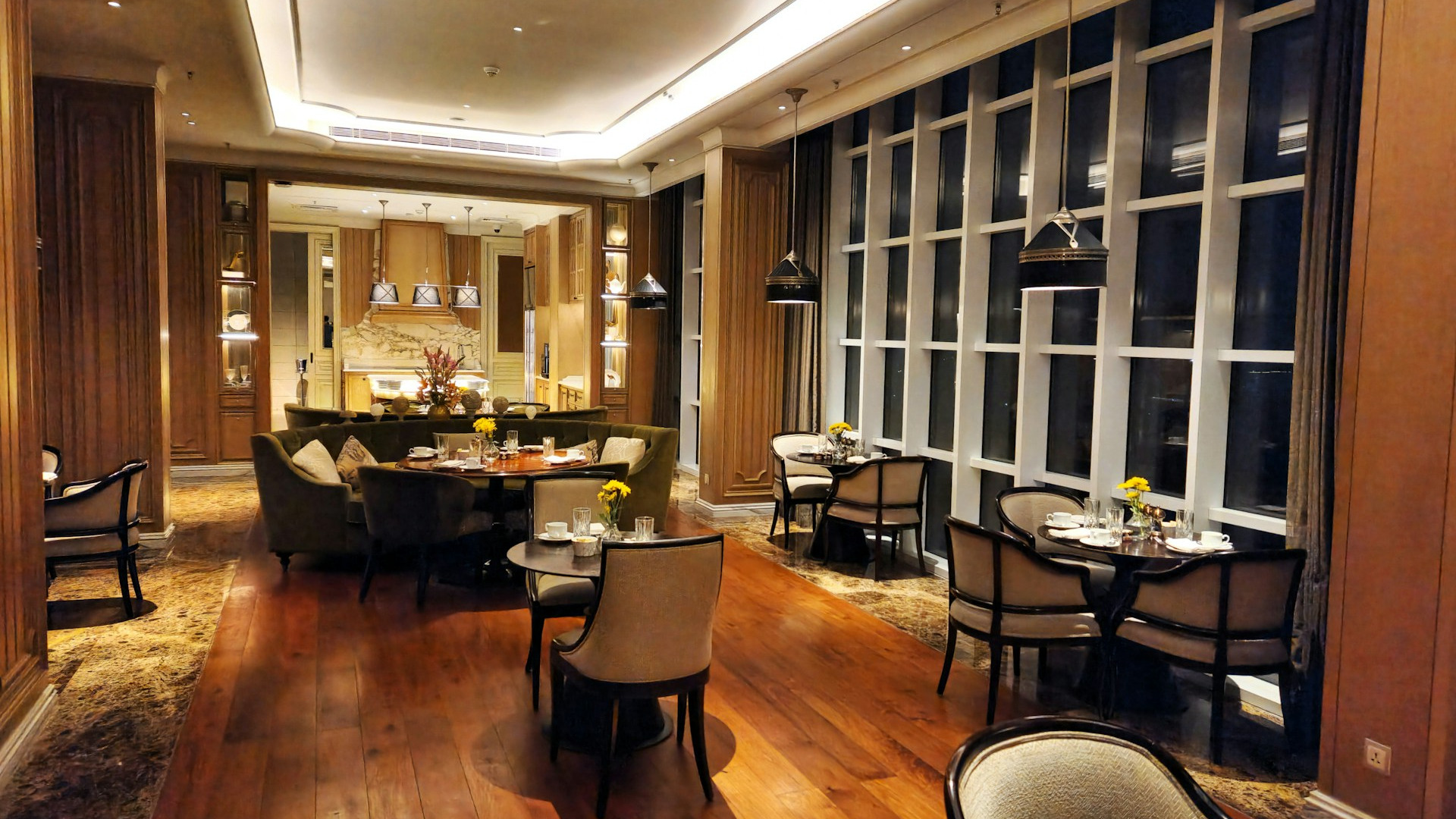
Photo: Stephen Andrews.
How Menus and Staffing Should Change
The menu is the first operational lever. A long tasting menu may still work early, but many restaurants will find better results with a shorter premium structure: three or four courses, a clear supplement strategy, optional beverage pairing and one or two dishes that justify the booking. The offer should feel designed, not discounted.
Staffing needs the same attention. If early dining becomes real demand, the strongest team cannot arrive emotionally at 7pm. Briefing, prep, bar readiness and reservation pacing need to treat the first sitting as proper service. A weak opening hour can damage the whole night.
Technology can help, but only if used with restraint. Reservation systems, waitlist tools and booking data can identify whether early demand is recurring, market-specific or event-led. Toast’s London restaurant insights and OpenTable’s state-of-industry material give operators useful context for reading these shifts alongside local behaviour [Pass-22] [Pass-23]. But the decision remains human: what kind of early evening does the restaurant want to own?
Table turns are another factor. Earlier dining can create a cleaner first turn into a later sitting, but only if the menu, service style and booking intervals match. A poorly designed early offer can create pressure rather than control. A well-designed one gives the room more oxygen.
Which Markets Are Best Suited
London is the obvious early signal because of commuting patterns, theatre, high costs and a dining public already comfortable with structured menus. Manchester and Dublin may see similar potential where transport, work patterns and value sensitivity meet growing premium demand. Athens is different. Later dining culture remains powerful, but early premium dining may work in hotels, destination restaurants, tourist-heavy zones or seasonal contexts where guests want a serious meal before a walk, performance or travel plan.
The key is not to force the same clock onto every city. Earlier dining should be treated as a market test. Track booking behaviour, spend per head, alcohol attachment, cancellation patterns and guest satisfaction by time. A 5.30pm table with strong margin and low friction may be more valuable than a later table that looks more glamorous but produces more operational strain.
What This Means for the Late-Night Restaurant
Earlier dining does not end late-night hospitality. It sharpens the question of what late-night is for. A restaurant that depends on a vague late sitting may feel pressure if the first part of the evening strengthens and the back end softens. A late-night restaurant with a clear bar identity, music, post-theatre logic, chef’s counter energy or service theatre can still thrive.
The worst position is to be undefined at both ends: not early enough to serve the guest seeking ease, not late enough to create atmosphere. The service clock now asks operators to choose more deliberately.
For chefs, the useful test is simple. Does the earlier table have its own menu, rhythm and beverage logic? If not, it is only an empty slot with a nicer name. If yes, it can become one of the clearest margin opportunities of 2026.
The earlier table also changes how restaurants should think about marketing. A generic message about availability will not be enough. The restaurant needs to name the occasion: early supper before theatre, a lighter tasting menu, a business dinner that ends on time, a family-friendly premium sitting, a terrace aperitif that leads into dinner. Each version has a different guest and a different margin profile.
This is where reservation data should meet editorial instinct. If 5pm demand is rising, the answer is not simply to open the slot and hope. The restaurant should test menu length, spend per head, beverage attachment, guest notes, cancellation rate and second-turn performance. A strong early service can make the whole evening calmer. A weak one can add labour and confusion without enough return.
The most careful operators will therefore treat time as part of the product. The clock is no longer neutral. It shapes appetite, drinking, staffing, mood and value. Restaurants that understand that will be better placed to turn a behavioural shift into a proper service strategy.
There is one final caution. Earlier dining should not become a race to compress hospitality. A guest who wants to eat at 5.30pm may still want warmth, pacing and a sense of occasion. The best early services will feel lighter, not thinner. They will respect the guest’s time without making the room feel transactional, rushed or secondary in any way.
The 5pm table is not a discount slot; it is a different shape of premium demand.
Why It Matters
This matters because booking time affects menu design, staffing, beverage strategy, table turns and guest perception. Earlier dining can protect margin and improve pacing, but only if operators treat it as a proper premium daypart rather than a cheaper version of dinner.
What To Watch Next
Watch whether restaurants develop specific early-evening menus, aperitif formats and no-alcohol pairings. Also watch whether late-night restaurants sharpen their identity, because a stronger first sitting will expose vague late service very quickly.
Sources & Further Reading
- [Pass-01] OpenTable 2026 Dining Trends Report
- [Pass-19] Financial Times on earlier eating
- [Pass-20] The Times on 6pm dining boom
- [Pass-21] National Restaurant Association What's Hot in 2026
- [Pass-22] Toast London restaurant insights 2026
- [Pass-23] OpenTable State of the Restaurant Industry dashboard