Abu Dhabi’s role as host city for The World’s 50 Best Restaurants 2026 is more than an awards-calendar note. The official 50 Best announcement confirms that the global ceremony will take place in the UAE capital in November 2026, after the city had already hosted MENA’s 50 Best Restaurants. For chefs, hotel groups and investors, the signal is clear: culinary prestige is increasingly attached to infrastructure, event programming and destination strategy. This article examines how a city can use restaurant culture not only to feed visitors, but to frame itself as a serious hospitality capital.
Highlights
- Abu Dhabi will host The World’s 50 Best Restaurants 2026 in November 2026 [Pass2-01].
- The event programme includes #50BestTalks, Signature Sessions and Chefs’ Feast [Pass2-01].
- Maido, named World’s Best Restaurant in 2025, moves into the Best of the Best group and is not eligible for future rankings [Pass2-01].
- MICHELIN’s 2026 Abu Dhabi selection includes 56 restaurants and 11 new additions [Pass2-10].
- Abu Dhabi Culinary Season is positioned by the tourism board as an annual food festival with Chef’s Table and other curated experiences [Pass2-11].
- The editorial opportunity is to read this as destination strategy, not only awards spectacle.
The awards stage is moving with the money
For a long time, elite gastronomy liked to present itself as if it floated above geography. The great restaurant was supposed to justify the journey on the strength of the table alone: product, technique, service, wine, memory. That still matters. But the places now competing for the centre of the culinary conversation are no longer only historic restaurant capitals. They are cities that understand food as part of a larger system: tourism, hotels, cultural diplomacy, investment and visibility.
Abu Dhabi’s selection as host city for The World’s 50 Best Restaurants 2026 makes that shift visible. The official announcement says the global gastronomic community will gather in the UAE capital in November 2026, and notes that it will be the first time the global list is announced in Abu Dhabi [Pass2-01]. The city had already hosted the Middle East and North Africa’s 50 Best Restaurants, most recently in February 2026 [Pass2-01]. MICHELIN’s 2026 Abu Dhabi release adds useful local context: the guide lists 56 restaurants in the selection and 11 new additions, describing a dining scene still developing in sophistication and diversity [Pass2-10]. The signal is not subtle. Restaurant prestige is becoming part of a destination’s public architecture.
For chefs, that matters because the awards stage no longer sits at the edge of the business. It shapes where investors look, where hotel groups programme chef partnerships, where diners imagine their next trip and where young culinary teams believe the future is being written. The plate is still the centre, but the room around it has changed scale.
Abu Dhabi is not buying a dinner; it is building a calendar
The interesting detail in the 50 Best announcement is not only the ceremony. It is the programme around it. The official release says the event will include #50BestTalks, Signature Sessions pairing local talent with 50 Best-ranked restaurants, and Chefs’ Feast for restaurant teams on the list [Pass2-01]. That turns a ranking into a week of professional, media and dining activity.
This is where destination dining becomes infrastructure. A city does not become a food capital simply by inviting chefs for one night. It becomes credible when it builds enough stages for conversations, collaborations, dinners, press, visiting teams and local operators to meet. The awards announcement gives Abu Dhabi visibility, but the surrounding programme gives it texture. It allows the city to act not just as host, but as convener.
That distinction is useful for Chefs MAG readers. A chef may care about the ceremony; an operator should study the calendar. A hotel group should notice the Signature Sessions. A tourism office should notice how the city uses restaurant culture to lengthen attention beyond one live-streamed evening. A sponsor should notice the layers of access: thought leadership, public dining, industry gathering and media circulation.
For restaurants inside the region, the opportunity is not automatic. A global event can briefly increase attention without changing the everyday quality of the local market. The work begins after the stage lights go down: suppliers, training, reservations, talent retention, critics, local diners and repeatable reasons to return. Abu Dhabi’s challenge is therefore the same as its opportunity. A borrowed spotlight must become a permanent room.
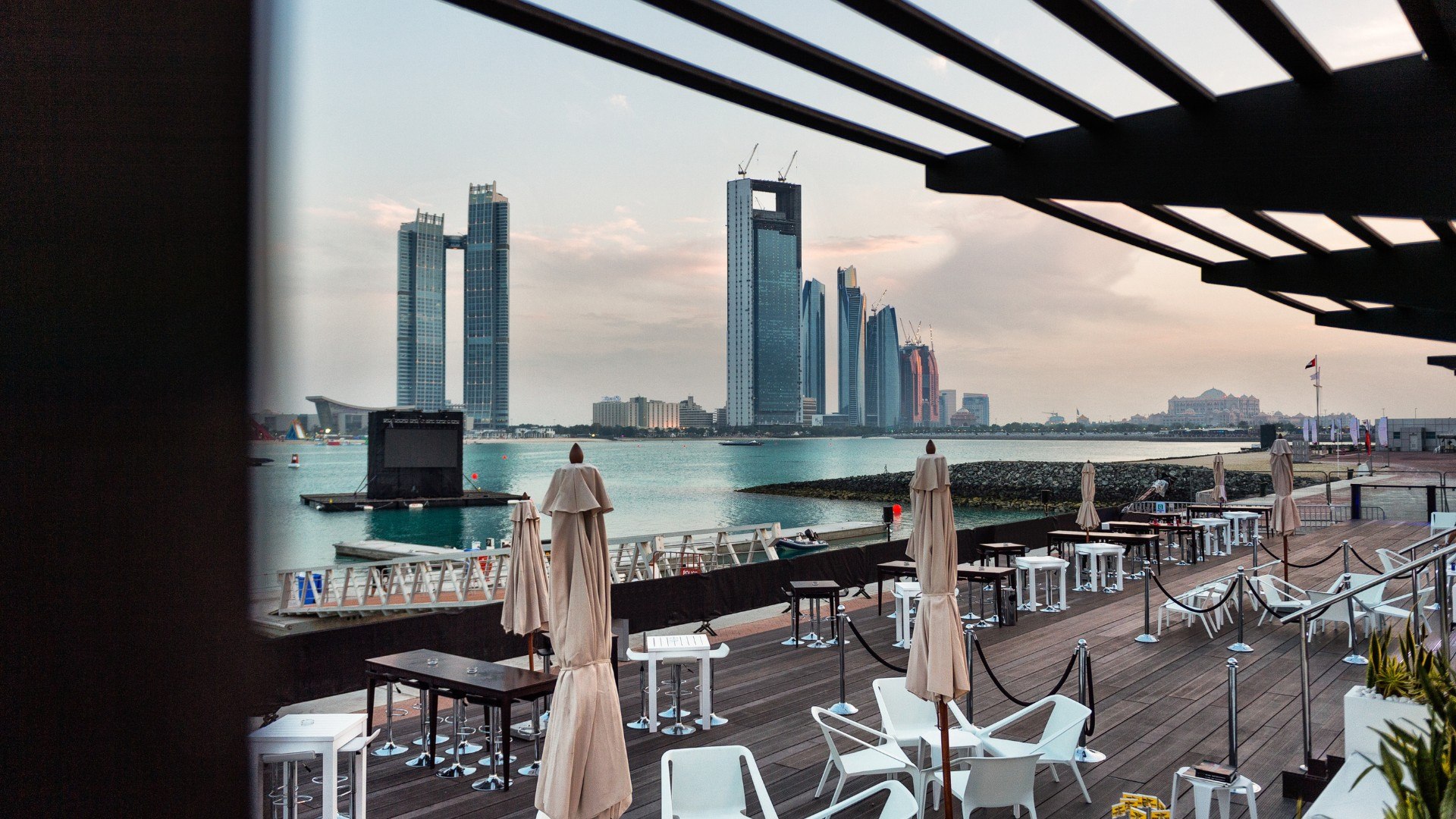
Photo: Mohamed Almari.
Best of the Best changes the meaning of the top table
The 2026 ceremony also arrives with a useful reminder about how prestige circulates. The same official announcement notes that Maido, named The World’s Best Restaurant in 2025, will join the Best of the Best list and that Best of the Best restaurants are not eligible to appear in future rankings [Pass2-01]. That rule matters because it turns the list into a moving stage rather than a closed club.
For cities, this creates recurring opportunity. Every year, the ranking needs new protagonists. For chefs, it means that prestige is not only defended; it is redistributed. A restaurant can move from local ambition to global visibility if the right combination of cuisine, timing, advocacy and excellence comes together. For host destinations, the ceremony becomes a theatre of discovery, not merely a coronation.
The editorial risk is to overstate the power of a list. Rankings do not make restaurants good. They amplify restaurants that have already persuaded enough people to pay attention. But the amplification has real consequences. It influences travel plans, talent decisions, investor confidence and the way restaurant groups describe their own ambition. A city that hosts the list borrows that energy, but must earn the culinary depth behind it.
In Abu Dhabi’s case, the broader context is hospitality infrastructure. The emirate already has luxury hotels, international residents, business travel and cultural investment. A global restaurant event gives that infrastructure a sharper culinary narrative. The question is whether the narrative produces more original local restaurant identity or simply more imported prestige. The most convincing answer will come from the kitchens that remain after the international audience leaves.
Soft power now comes with reservations
Food has always had diplomatic value, but the contemporary version is more commercial and more precise. A city can use restaurants to show openness, sophistication, cultural confidence and spending power. It can present itself as a place where chefs want to collaborate, where guests want to linger and where investors believe hospitality can scale.
Abu Dhabi’s hosting of The World’s 50 Best Restaurants 2026 sits inside that pattern. The Department of Culture and Tourism Abu Dhabi is named as host destination partner for the event programme [Pass2-01]. That is not incidental wording. It places restaurant culture within the language of destination management. The event is about dining, but also about how a city wants to be seen.
For operators, this changes the competitive frame. A restaurant is no longer competing only with the venue across town. It is competing with cities and hotel groups that can create entire ecosystems around dining: guest chefs, sponsor dinners, cultural weekends, branded festivals, media moments, private rooms and international loyalty databases. That does not make independent restaurants weaker, but it raises the importance of distinct authorship.
A strong independent restaurant cannot outspend a destination authority. It can, however, outthink one. It can build intimacy, local trust, product specificity and a reason for guests to return when no awards ceremony is in town. The lesson from Abu Dhabi is not that every restaurant should become geopolitical. It is that the best restaurants increasingly understand the city around them as part of the experience.
What chefs and cities should borrow
The practical lesson is programming. Abu Dhabi is not presenting one dinner as proof of culinary ambition. It is building a sequence of events, conversations and collaborations around the ranking [Pass2-01]. The emirate’s own Culinary Season also frames food through repeatable public programming: its sixth edition is described as running from 15 October to 15 December with Chef’s Table, Nomad Supper Club, special menus and promotions [Pass2-11]. Restaurants can borrow that logic at a smaller scale.
A chef can turn a quiet month into a series: one producer dinner, one visiting-cook collaboration, one bar takeover, one menu archive evening. A hotel can make its restaurant more than an amenity by tying it to art, music, retail, local markets or guest-chef weekends. A city can support food culture by making it easier for serious kitchens to source, hire, tell stories and welcome visitors.
The danger is imitation without substance. Imported names, awards language and global branding will only carry a dining scene so far. Serious culinary identity still comes from product, labour, service, education and the confidence to let local context appear on the plate. Abu Dhabi’s 2026 moment should therefore be watched not only for who wins, but for what remains legible afterwards.
For Chefs MAG, the story is larger than one destination. It is the new geography of food prestige: not merely where great restaurants are, but where the systems around great restaurants are being built. In that sense, the geopolitical plate is not a metaphor. It is the way hospitality now competes.
For sponsors and suppliers, this distinction matters. A global awards week gathers decision-makers who are usually fragmented across private dining rooms, hotel openings, trade shows and direct relationships. Tableware houses, design studios, reservation platforms, beverage partners and luxury hospitality brands can read the programme as a concentration of influence rather than a simple consumer event. The commercial value sits less in logo exposure and more in proximity to the people shaping the next restaurant cycle.
For editorial teams, the same logic applies. Coverage should not stop at the ranking. The more useful questions are where chefs eat around the ceremony, which local restaurants are included in Signature Sessions, which producers or hotel groups become visible, and whether the event changes how international diners understand Abu Dhabi after the list has moved on.
A city does not become a food capital simply by inviting chefs for one night; it becomes credible when it builds enough stages for the conversation to continue.
Why It Matters
This matters for chefs, hotel groups, tourism offices and sponsors because restaurant prestige is increasingly produced by ecosystems, not isolated rooms. Awards can create attention, but only infrastructure, local authorship and repeatable programming turn attention into a durable hospitality advantage.
What To Watch Next
Watch whether Abu Dhabi’s 2026 moment leads to more original regional restaurant concepts, deeper chef exchanges and stronger local supplier visibility, rather than a short burst of imported prestige around the ceremony.