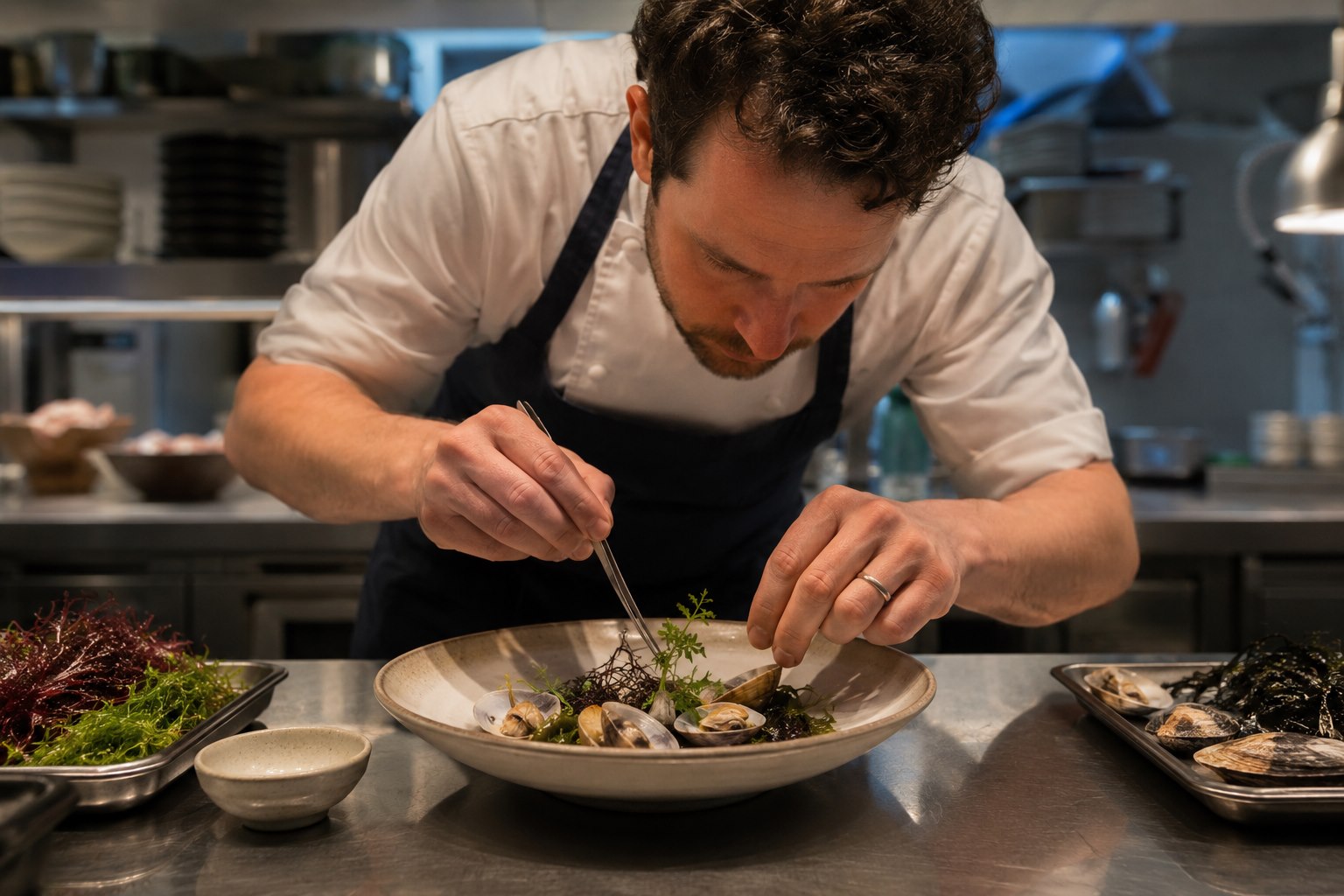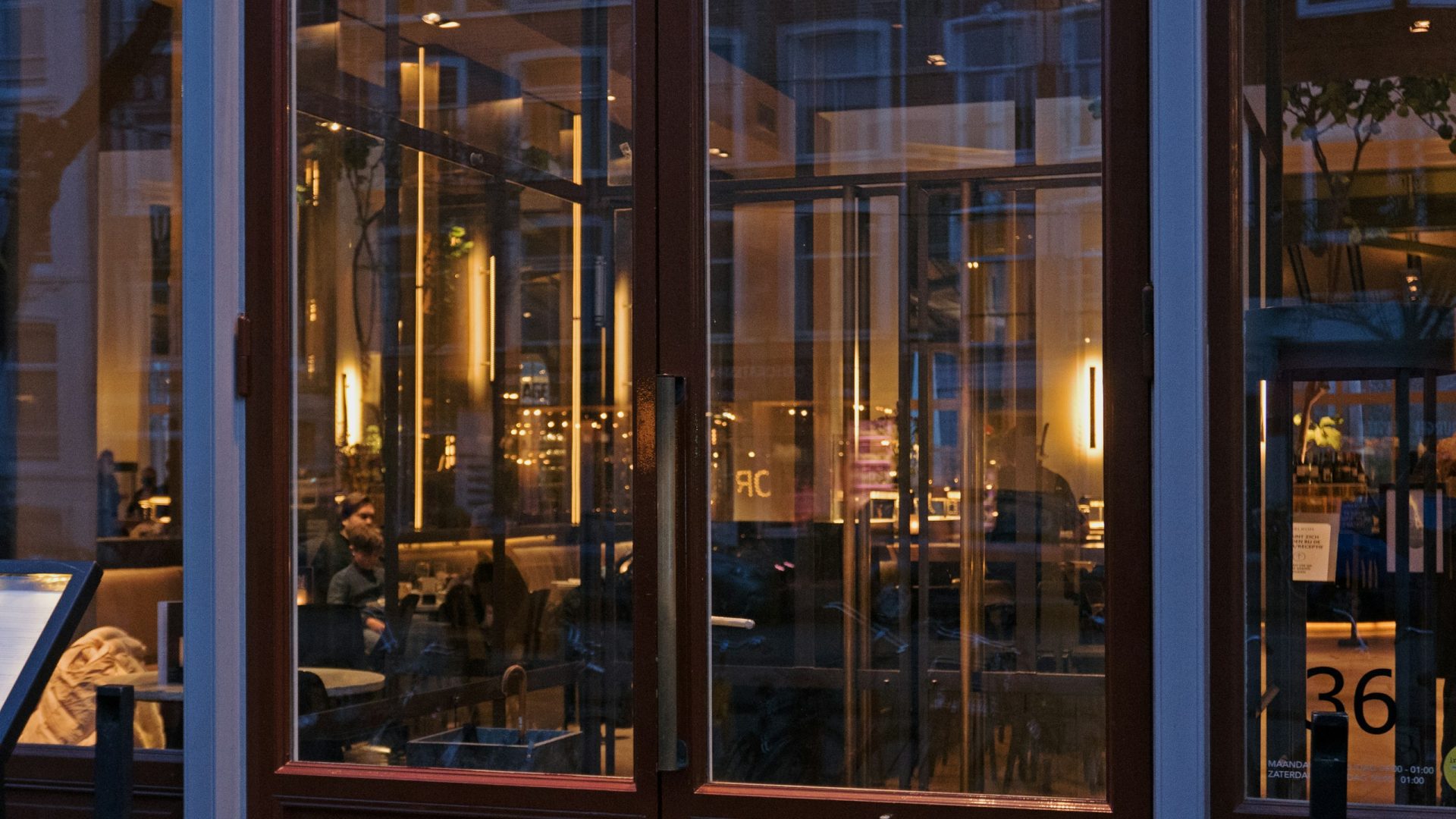
North America’s 50 Best Restaurants 2026 gives Chefs MAG a clear lens on decentralised prestige. Official 50 Best pages list Smyth in Chicago at No.1, Eight in Calgary at No.2, Restaurant Pearl Morissette in Lincoln at No.3 and Dakar NOLA in New Orleans at No.4. The lesson is not that New York or Los Angeles have become irrelevant. It is that serious restaurant identity now travels through region, scale, service format and authorship as much as through capital-city gravity. For chefs and operators, the new map rewards restaurants that can make place feel precise.
Highlights
- Smyth in Chicago is listed as No.1 in North America’s 50 Best Restaurants 2026 [Pass2-02].
- Eight in Calgary is No.2 and received the Highest New Entry Award 2026 [Pass2-03].
- Restaurant Pearl Morissette is No.3 and received the Art of Hospitality Award 2026 [Pass2-03].
- Dakar NOLA is No.4 and is described by 50 Best as inspired by the coastal cuisines of Senegal and South Louisiana [Pass2-03].
The centre is becoming plural
North American restaurant prestige used to be easier to plot. The usual coastal reflex placed New York, Los Angeles, San Francisco and a few established culinary capitals near the centre of the conversation. The map was never completely accurate, but it was convenient. It helped media, investors, diners and talent decide where serious cooking was supposed to happen.
North America’s 50 Best Restaurants 2026 complicates that habit. The official list places Smyth in Chicago at No.1, Eight in Calgary at No.2, Restaurant Pearl Morissette in Lincoln at No.3 and Dakar NOLA in New Orleans at No.4 [Pass2-02]. The top of the list is not a single-market story. It is a spread of formats, geographies and identities: urban Midwest, Canadian chef’s table, Ontario wine country, and a New Orleans restaurant built around the meeting point between Senegal and South Louisiana.
That does not mean the old capitals have lost force. Atomix in New York appears at No.7 on the same list [Pass2-02]. But the pattern is harder to ignore. Prestige is becoming more distributed, and perhaps more interesting because of it. The strongest restaurants are not only asking diners to come to a famous city. They are asking them to understand a place more closely.
Chicago, Calgary, Lincoln and New Orleans tell different stories
Smyth’s No.1 position gives Chicago a powerful anchor at the top of the official 2026 list [Pass2-02]. The associated 50 Best story describes the restaurant as rooted in the seasonality and flavours of the Midwest, with the Shields partnering with farms across the United States to bring high-quality ingredients to the table [Pass2-03]. That is not a minor detail. It frames the restaurant less as an imported fine-dining model and more as a Midwest argument made with international discipline.
Eight in Calgary, listed at No.2 and recognised with the Highest New Entry Award 2026, offers a different lesson [Pass2-03]. 50 Best describes it as hidden behind a discreet door in the lobby of the Alt Hotel East Village and designed for just eight people a night [Pass2-03]. That scale matters. A restaurant can now create significant prestige through intimacy, scarcity and a tightly held performance of cooking, storytelling and service.
Restaurant Pearl Morissette, at No.3 and winner of the Art of Hospitality Award 2026, sits in yet another category [Pass2-03]. It is neither metropolitan spectacle nor urban counter-culture. It is a destination dining room in wine country, with its dining room above the Pearl Morissette Estate Winery and views over a regenerative farm, peach orchard and gardens [Pass2-03]. Its location is not a disadvantage. It is part of the proposition.
Dakar NOLA, at No.4, strengthens the argument for regional authorship [Pass2-02]. The official article describes it as a tasting-menu restaurant inspired by the coastal cuisines of Senegal and South Louisiana, with chef Serigne Mbaye leading the kitchen and co-owner Afua Richardson active in front of house [Pass2-03]. Here, prestige is not abstraction. It is a precise cultural crossing carried through hospitality.
Smaller does not mean less serious
One useful lesson from the 2026 North American top tier is that scale is not the same as importance. Eight’s eight-seat structure would once have felt too small to sit at the top of a continental business conversation. Yet 50 Best places it at No.2 and describes the experience as built around cooking, storytelling and service for just eight guests a night [Pass2-03]. The small room becomes a strength because the format is legible.
For chefs, this is significant. Many operators cannot win through size, capital or media volume. They can win through clarity. A small restaurant can be exact about sequence, mise en scène, pacing, menu authorship and the kind of guest it wants to serve. The dining room becomes less a revenue hall and more a controlled instrument.
That does not remove commercial pressure. An eight-seat model has obvious limits and risks. It depends on pricing, demand, team stamina and the ability to maintain intensity at every service. But its presence near the top of the list suggests that modern prestige is willing to reward formats that are specific rather than large.
The same principle applies to destination restaurants outside conventional urban centres. Restaurant Pearl Morissette’s official 50 Best Discovery page says the restaurant is on a 42-acre property about an hour southwest of Toronto, with views of regenerative farm, herb garden and peach orchard, and a menu that changes often [Pass2-05]. The guest is not simply booking dinner; the guest is entering a landscape translated through the room.

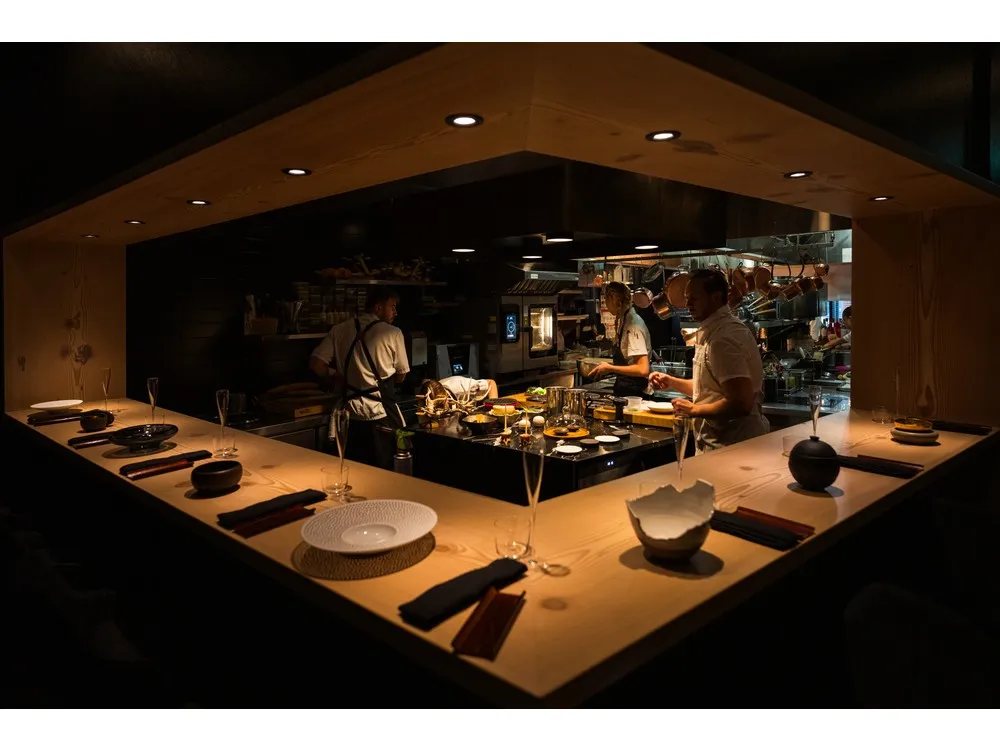
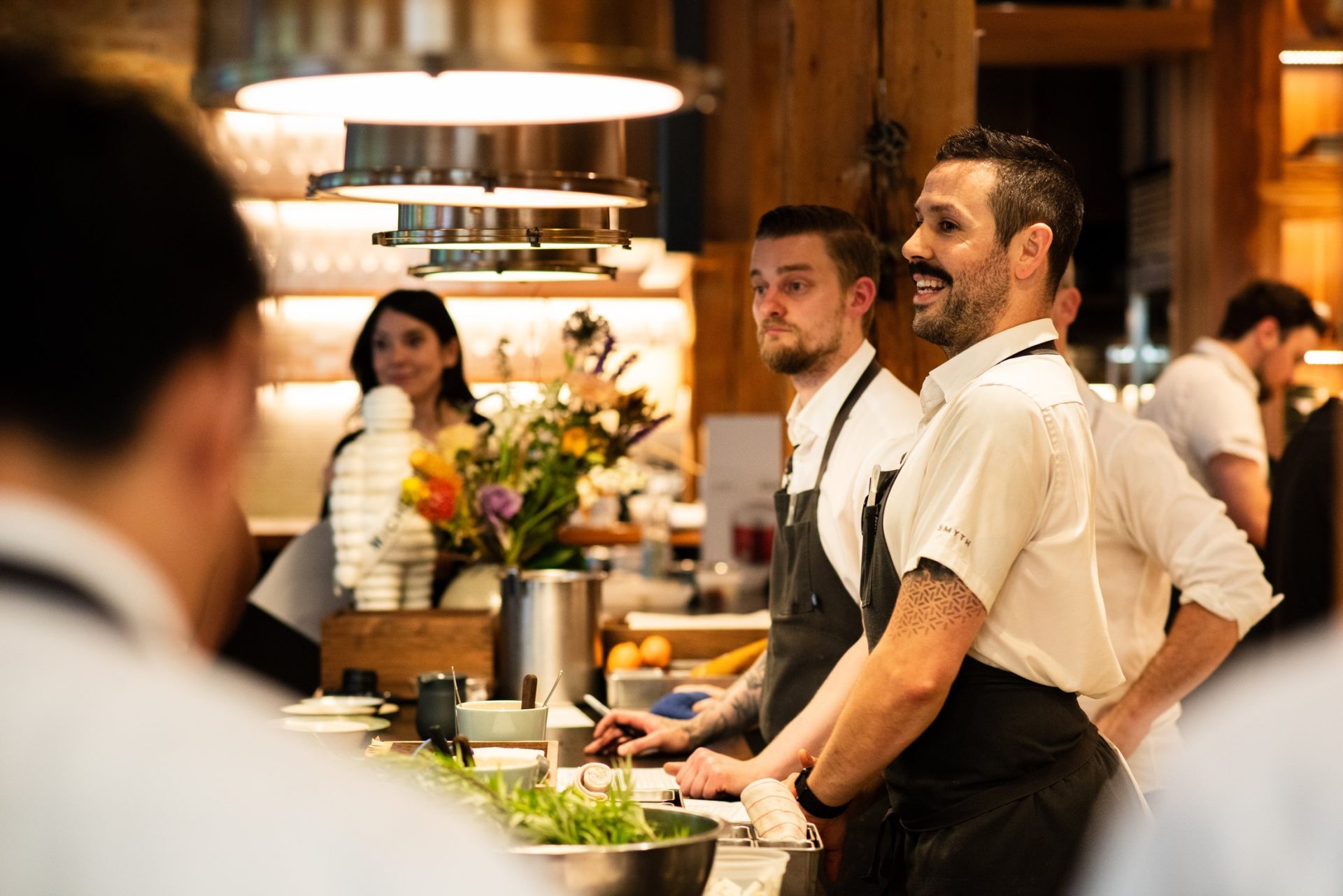
Smyth, Chicago (No.1) and Eight, Calgary (No.2).
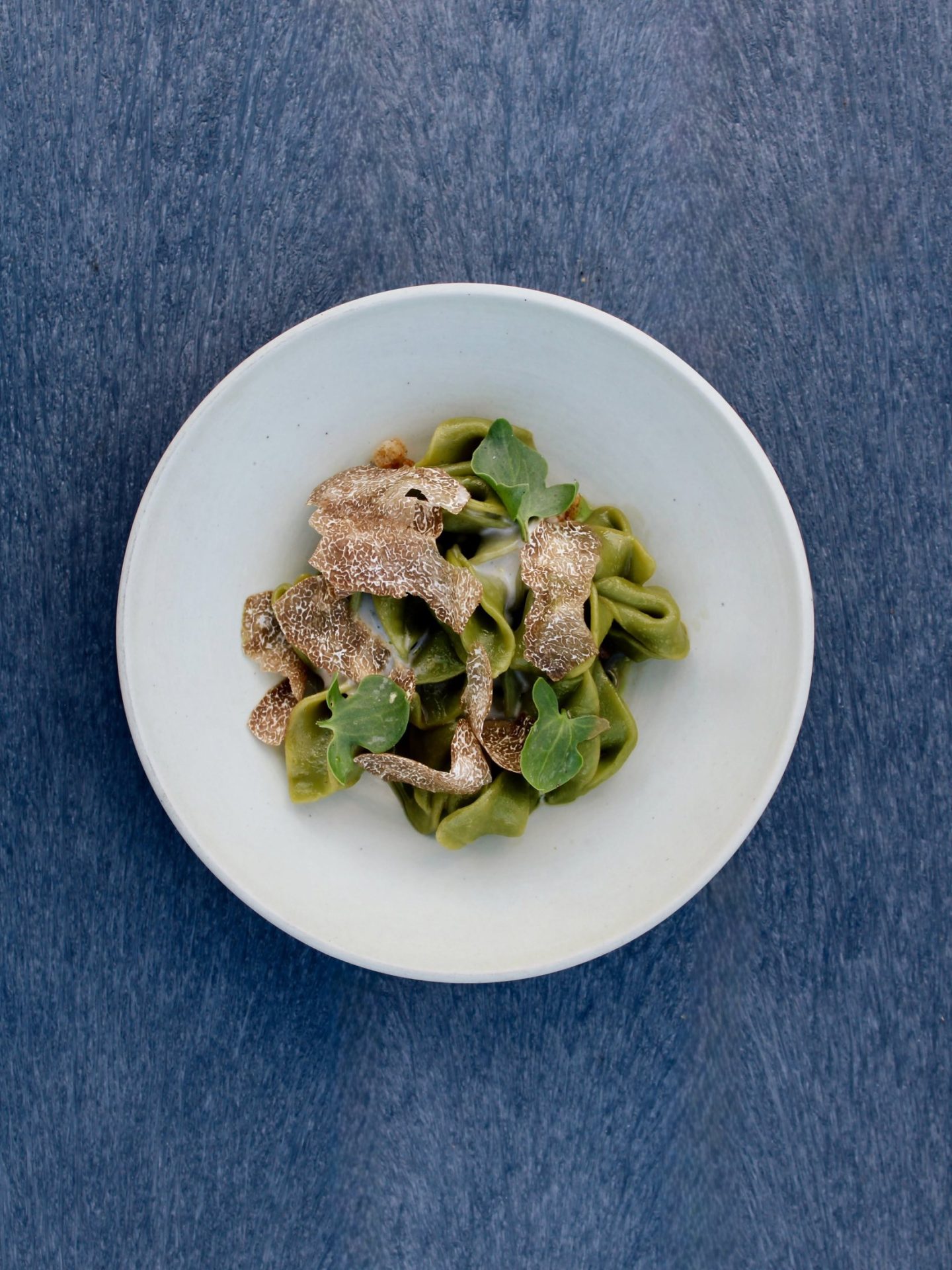
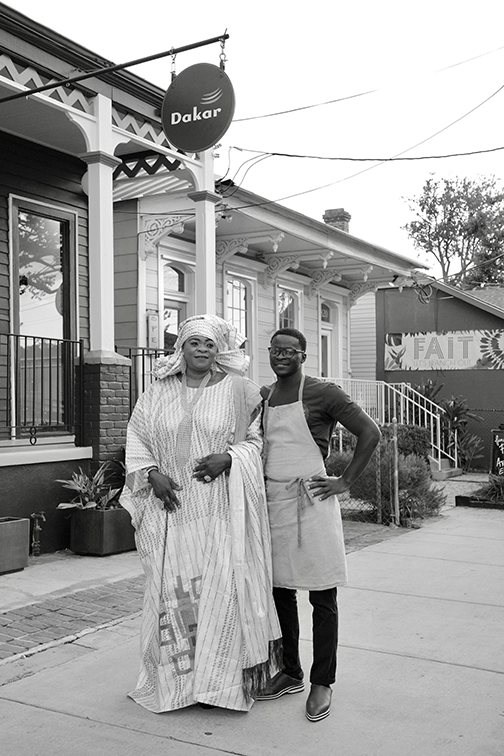
Restaurant Pearl Morissette (No.3) and Dakar NOLA (No.4).
Regional identity is becoming a luxury material
The strongest restaurants in this pattern do not treat locality as decoration. They use it as structure. In the Midwest, locality can mean farms, seasonality and a particular clarity of product. In Calgary, it can mean an intimate counter experience shaped around a city that does not need to imitate Toronto, Vancouver or New York. In Ontario wine country, it can mean agriculture, winery, garden and table working as one frame. In New Orleans, it can mean a dialogue between Senegalese coastal cooking and South Louisiana hospitality.
For a luxury audience, this is not rustic nostalgia. It is a form of differentiation. Diners with enough means to travel do not need another anonymous tasting menu. They need a reason to believe that the meal could not happen in exactly the same way somewhere else. Region, when handled with discipline, answers that need.
This is also where operators should be careful. Regional identity cannot be pasted onto the menu after the business model is built. It has to affect sourcing, room language, service tone, storytelling and sometimes architecture. A dish title is not enough. The restaurant has to make the place usable without turning it into a tourism brochure.
The best version is quiet. It does not overexplain the local narrative, but it lets the guest notice the consequences: the product, the pacing, the welcome, the view, the wine, the room, the people who carry the evening. That is where a regional restaurant becomes more than a regional restaurant. It becomes a destination.
What operators can borrow from the new map
The immediate lesson is not to leave major cities. It is to stop assuming that prestige requires their permission. Chefs and investors in secondary or inland markets can build serious restaurants if the idea is specific enough, the room is controlled enough and the story is rooted enough to travel.
The new North American map also rewards service format. Pearl Morissette’s hospitality recognition, Eight’s intimacy, Dakar NOLA’s familial service language and Smyth’s seasonal Midwest identity each show a different path [Pass2-03]. None is a universal template. Each is a disciplined answer to a place, a team and a guest.
For restaurant groups, the commercial implication is sharper. Expansion should not only ask where rents are lower or press is available. It should ask where a restaurant can own the local narrative. A city with fewer comparable dining rooms may offer a stronger stage than an oversupplied capital, provided the operation can attract talent and sustain demand.
For media, the lesson is equally direct. Coverage that keeps circling the same cities will miss part of the story. Prestige is becoming more networked. The next important room may sit in a hotel lobby in Calgary, above a winery in Ontario, or at a table where Senegal and Louisiana meet through a tasting menu. The decentralised kitchen is not a slogan. It is the new shape of attention.
Talent follows that signal. A young cook deciding where to build a career may still be drawn to New York, but the presence of Calgary, Lincoln and New Orleans near the top of a continental list suggests that serious professional formation can happen in a wider set of kitchens. That matters for owners in less obvious markets. A restaurant with a precise identity can become a magnet for ambitious staff who want authorship, proximity to product and a room where their work is visible.
There is also a guest-side consequence. Destination diners increasingly build trips around one or two meals, not only around a city’s overall reputation. A ranking cannot create that desire alone, but it can legitimise the decision to travel for a restaurant that previously sat outside the familiar circuit.
For operators, the useful lesson is not to claim regional identity as branding. It is to make the room, menu, sourcing and service prove why the restaurant could not have been written elsewhere. Prestige travels when specificity is strong enough to be understood by guests who arrive without the local context. That is the discipline: make the local legible without flattening it into postcard language.
Prestige is becoming more distributed, and perhaps more interesting because of it.
Why It Matters
This matters because operators outside traditional restaurant capitals can use regional identity, intimate formats and precise service models as competitive advantages. The article helps chefs think about place as a strategic asset, not a limitation.
What To Watch Next
Watch whether 2026 attention produces deeper travel to secondary restaurant cities, stronger regional supplier storytelling and more small-format destination rooms that compete through intimacy rather than scale.