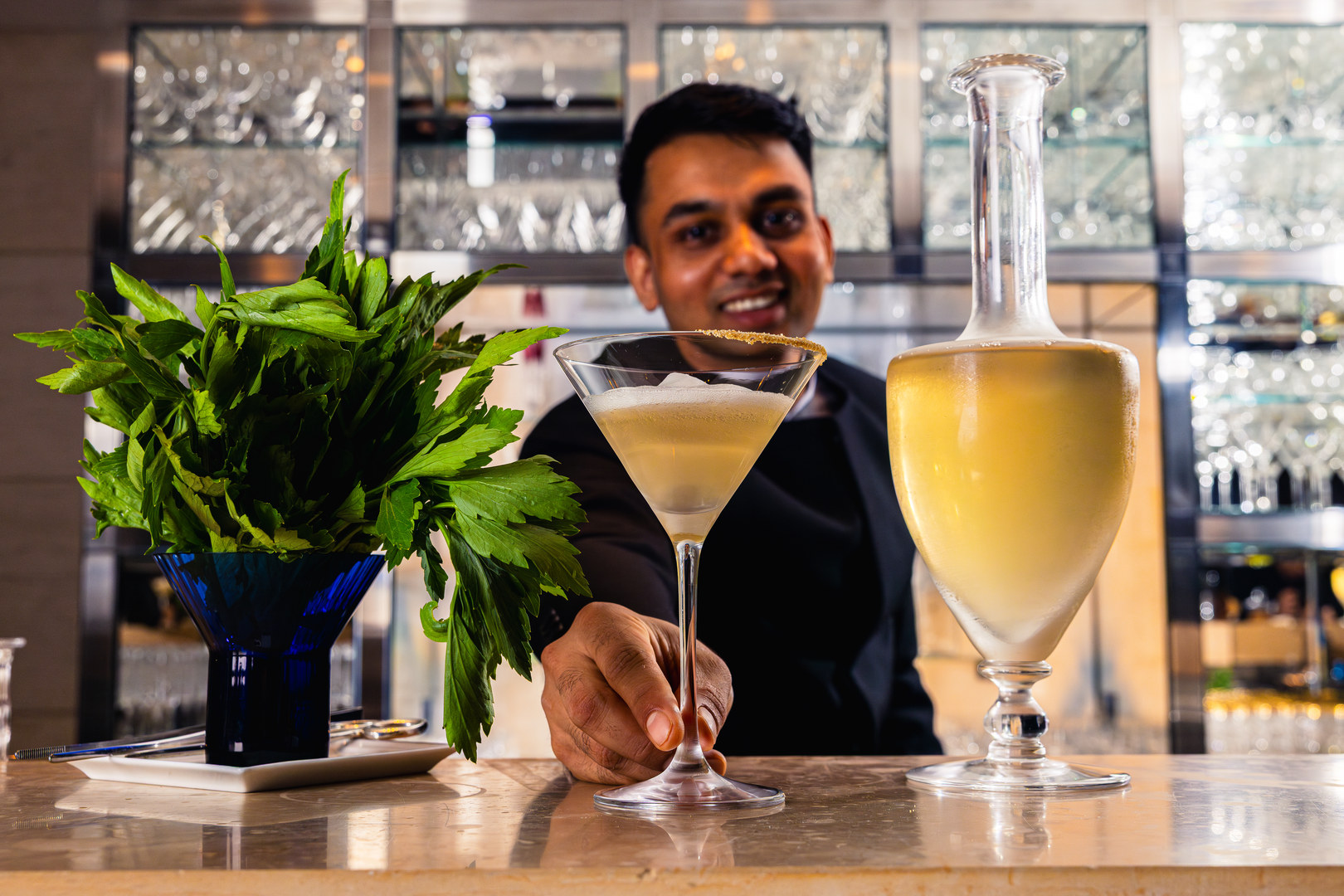
Award-winning mocktail mixologist Robi Ratan — IDAM by Alain Ducasse, Doha. Photo courtesy of Robi Ratan / IDAM by Alain Ducasse, Doha.
No-alcohol is no longer a Dry January sidebar or a soft-drink courtesy. The category now asks restaurants to design adult beverage sequences with the same discipline they apply to wine, cocktails and service. This article argues that serious operators should think in programme terms: pairing logic, glassware, menu placement, language, price and rhythm. The commercial case is clear enough to act on, but the execution has to be mature. Guests do not need pity pours. They need a confident parallel cellar that respects moderation, protects margin and makes the dining room feel more complete.
Highlights
- No-alcohol now requires programme design, not token availability.
- Pairing logic, staff language and glassware decide whether the offer feels premium.
- Michelin-level coverage and European consumer expectations make the category harder to ignore.
- Pricing must reflect craft without punishing moderation.
- The strongest restaurants frame no-alcohol as choice, not compromise.
No-alcohol is now a programme question
The strongest no-alcohol lists no longer begin with apology. They begin with the same questions a sommelier would ask of wine: what role does the drink play in the sequence, how does it change the food, what does it cost to pour, and how confident is the team when presenting it? That is why the phrase “non-alcoholic pairings restaurant” now matters commercially. Guests are not only asking whether the restaurant has an option. They are asking whether the option has been thought through.
The market signal is strong enough to move the category out of seasonal campaign language. IWSR says no-alcohol analogue volumes grew 9% in 2025 and are forecast to rise 36% by volume between 2024 and 2029, with health motives especially visible among buyers of no-alcohol wine and spirits [Cellar-01]. It also points to alcohol-adjacent drinks as a wider adult repertoire, rather than a simple imitation of beer, wine and spirits [Cellar-02]. For restaurants, that changes the brief. The question is not whether to list something without alcohol. It is whether to build a sequence that feels as deliberate as the rest of the meal.
What separates a serious programme from a token list
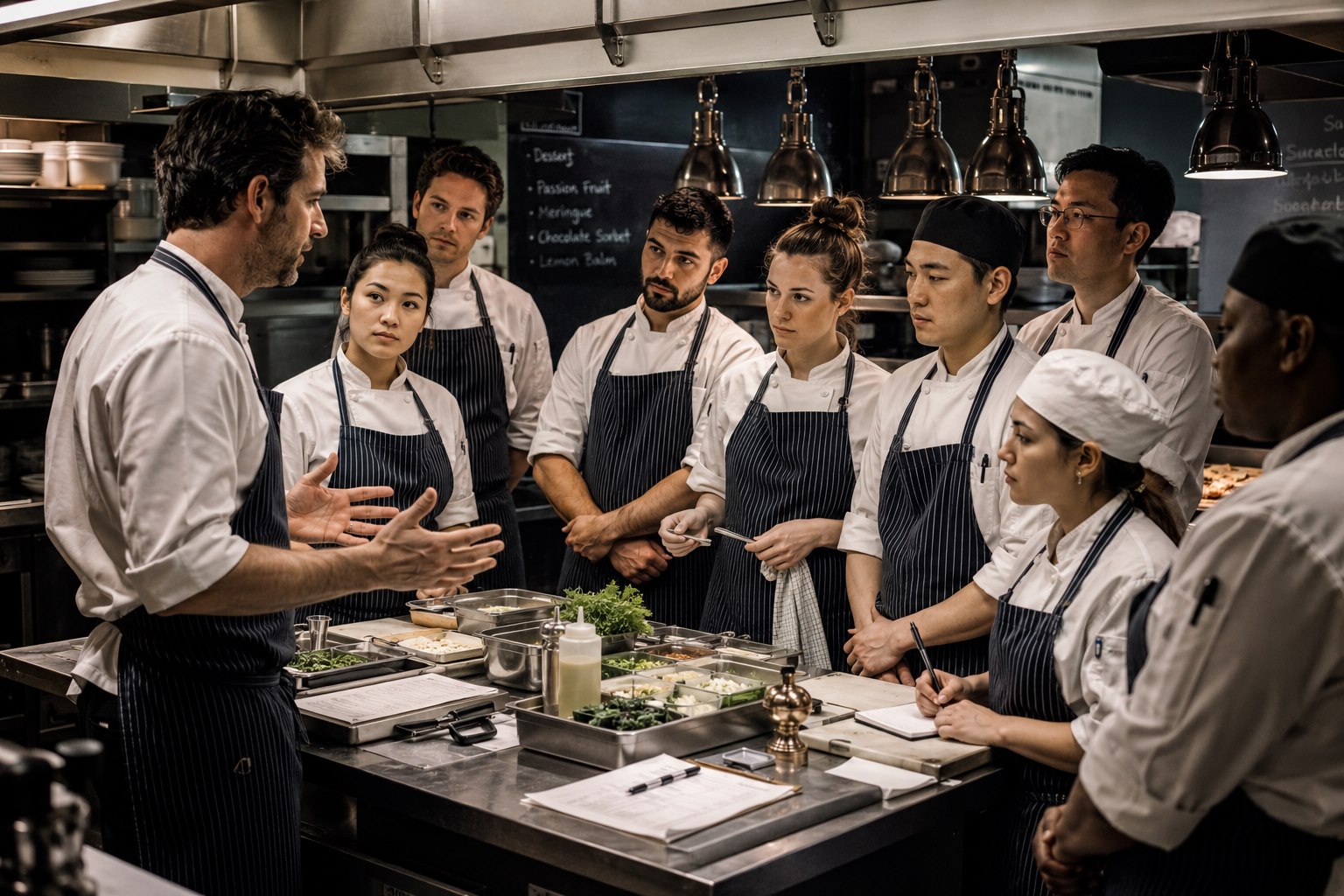
A token list is easy to recognise. It has one syrup-heavy mocktail, one alcohol-free beer, perhaps one sparkling tea, and no real language from the floor. A serious programme behaves differently. It has structure. It understands temperature, glassware, acidity, tannin-like grip, bitterness, aromatics, texture and finish. It knows when a drink should refresh, when it should carry savoury depth, and when it should step back so the plate can speak.
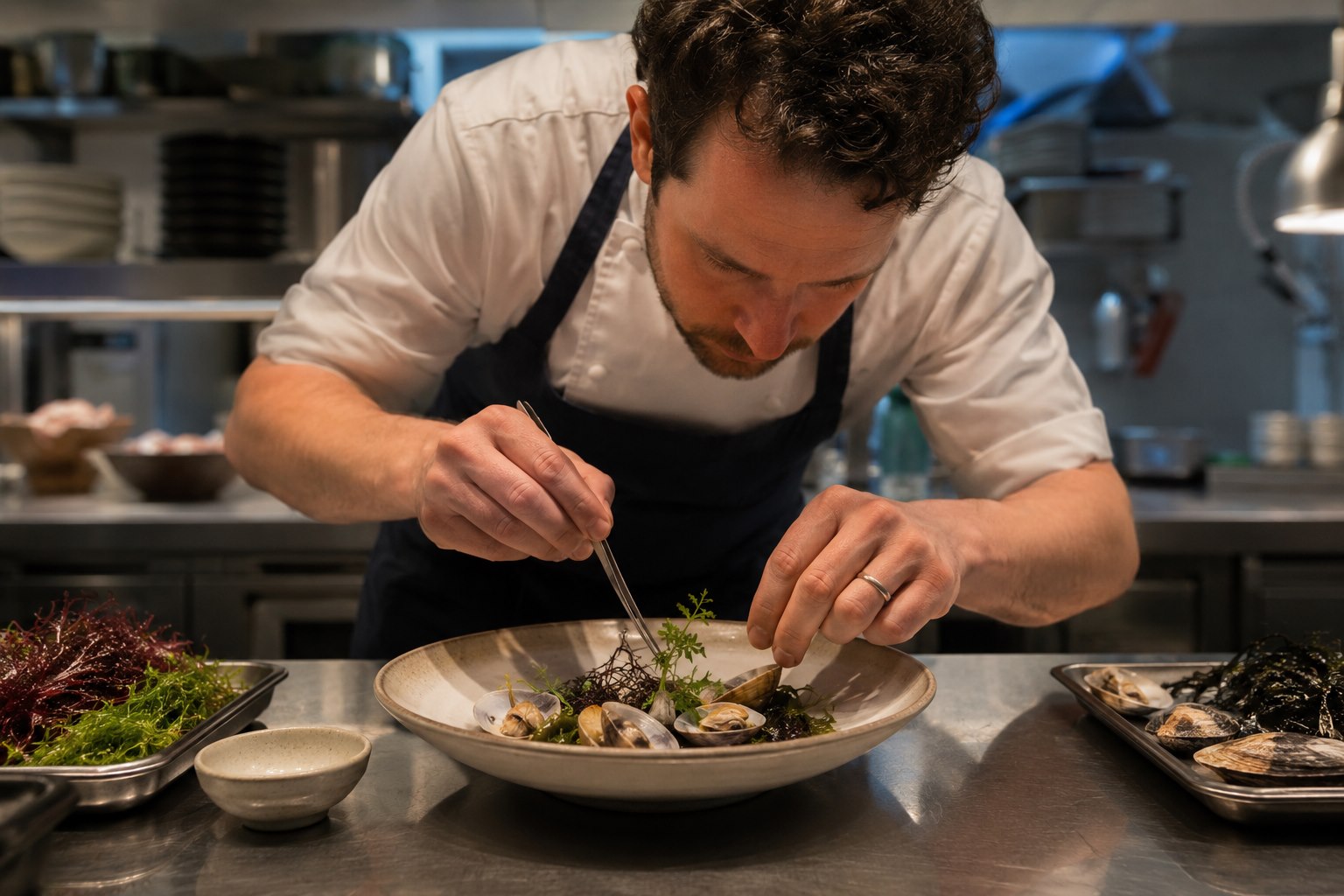
This is where the cellar needs to borrow both from wine and from the kitchen. A non-alcoholic pairing does not need to mimic Chardonnay or Negroni. It needs to solve the same service problem: helping the guest move through the menu with pleasure, rhythm and trust. Fermented teas, verjus, shrubs, clarified fruit, roasted grain infusions, kombucha, botanical distillates and alcohol-free beer can all belong, but none of them should be listed because the category is fashionable. They need a role.
Pricing is equally important. Guests understand that craft has a cost, but they resist paying restaurant-wine margins for something that feels casually assembled. The better model is transparent confidence: fewer drinks, better explanations, careful pours and a clear reason why the pairing adds value. A no-alcohol programme should not feel cheaper in spirit. It should feel lighter in alcohol and serious in design.
Pairings, service language and the confidence of the pour
Staff language decides whether the guest experiences the programme as hospitality or as an awkward alternative. “Would you like the non-alcoholic option?” is not enough. “We have built a pairing around acidity, savoury tea, citrus oil and fermented fruit to follow the food without alcohol” is better, because it frames the choice as composition rather than subtraction.
The details then have to support that confidence. Pour sizes should be intentional. Glassware should not signal compromise. The list should avoid childish names unless the house voice can genuinely carry them. Pairing notes should be concise enough for service, not a technical essay. Most importantly, the sommelier, waiter or manager must know how the drink behaves with the dish. A programme fails when the liquid is interesting but the service cannot explain why it is there.
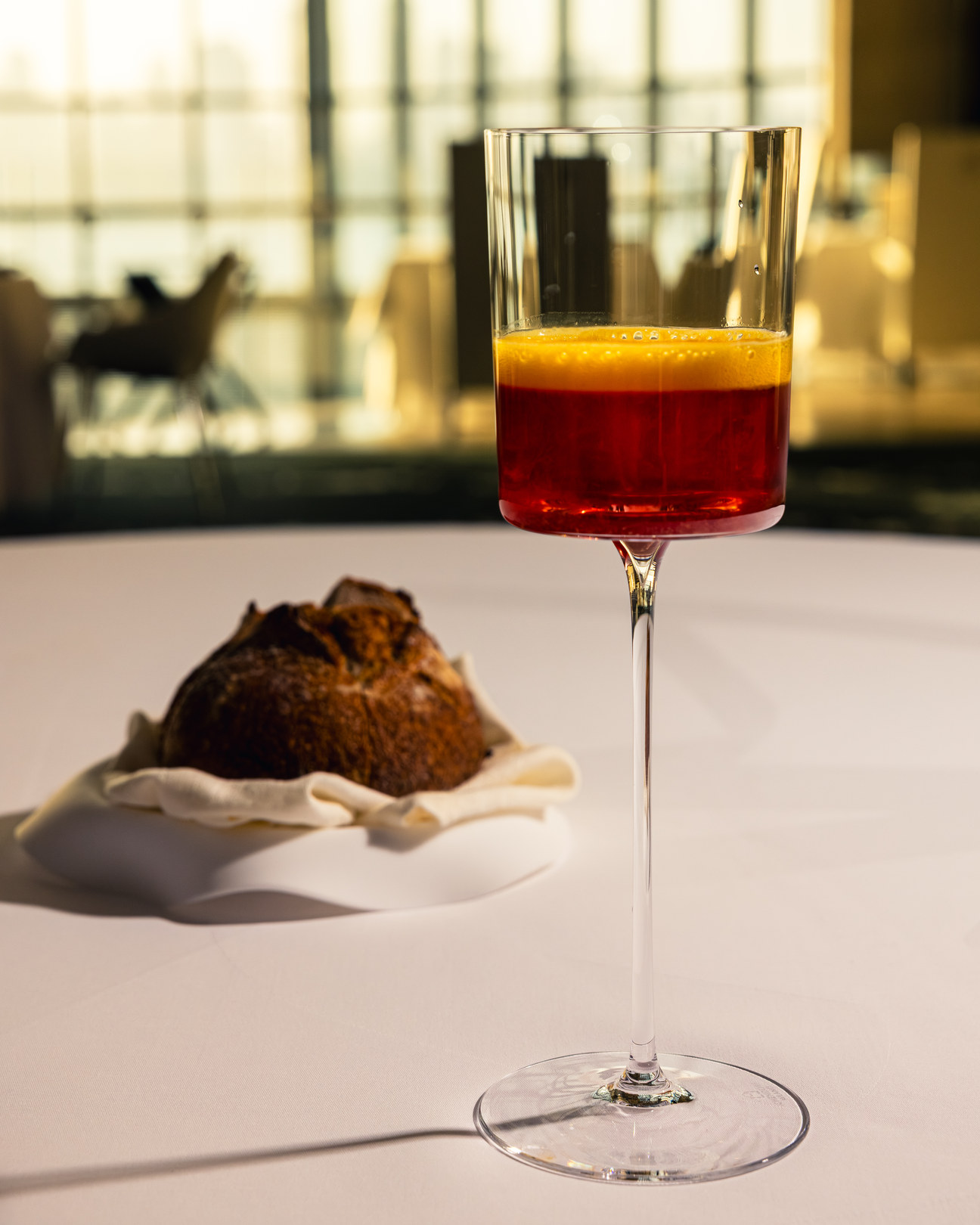
Courtesy of IDAM by Alain Ducasse, Doha — mocktail pairing menu.
Michelin-level attention has changed the category
At the top end, the category has moved from tolerance to design. Michelin’s 2026 feature on restaurants serving non-alcoholic drinks and pairings shows that serious kitchens are now willing to treat alcohol-free options as part of the tasting-menu architecture, not an afterthought [Cellar-03]. That does not make every no-alcohol pairing automatically successful. It does make the direction of travel clear: premium hospitality now needs an answer for guests who want the full ritual without the alcohol.
Circana’s European beverage work adds the on-premise expectation. It found that 55% of Europeans expect bars and restaurants to offer non-alcoholic beer as standard [Cellar-04]. Beer is only one part of the picture, but the figure matters because it shows that the guest no longer treats no-alcohol availability as a surprise. The absence is becoming more visible than the presence.
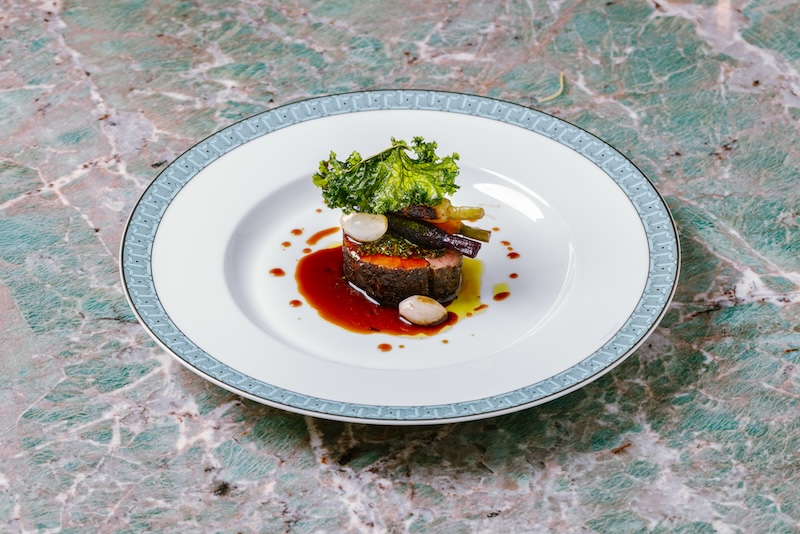
For fine dining and luxury hotels, this creates a service test. A restaurant can spend years building a cellar, sourcing glassware and training the team around vintage, origin and producer. If the no-alcohol offer arrives as a small box at the bottom of the list, the contrast is obvious. The serious operator does not need a huge alcohol-free cellar. It needs a programme that feels mature enough to sit beside the rest of the beverage identity.
Where the strongest opportunities sit by market
The opportunity will not look identical everywhere. London is well placed for list architecture because the city already supports tasting menus, destination bars, private dining and guests who expect breadth. Copenhagen can frame no-alcohol around seriousness, fermentation and restraint. Dubai has the advantage of theatre and international luxury hospitality, where non-alcoholic options are already culturally relevant for many guests. Singapore can turn the category into a bridge between culinary cocktails, tea, spice and high-service dining.
Operators should avoid copying another market’s tone too closely. A London list built around understated fermentation may not work in a Dubai hotel dining room that needs a stronger sense of occasion. A Singapore cocktail-led programme may feel too expressive for a small Nordic restaurant built around quiet precision. The shared principle is not style. It is coherence. The drinks should match the food, the room and the guest expectation.
That is why the no-alcohol category sits naturally beside broader cocktail and functional-drink trends. Bacardi’s 2026 trends report highlights local flavours and luxurious experiences, useful signals for any bar team thinking about how to make non-alcoholic choices feel adult and designed [Cellar-06]. The strongest programmes will not try to be everything. They will choose a house language and execute it with discipline.
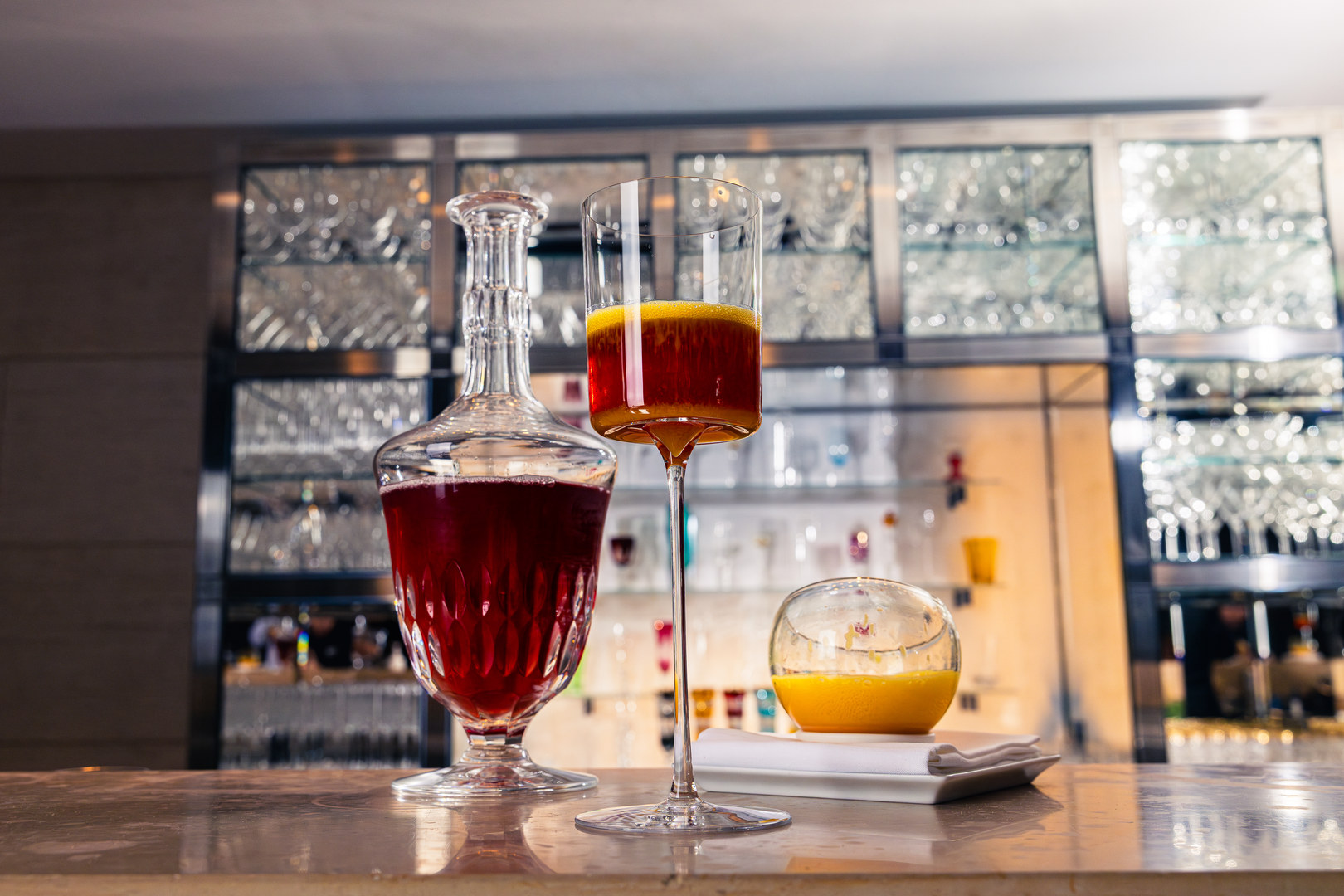
Courtesy of IDAM by Alain Ducasse, Doha — mocktail pairing menu.
A five-point audit for restaurants
A useful audit starts with the list. Can a guest find the no-alcohol programme without embarrassment or a whispered request? Then the glassware. Does the pour feel like part of the meal, or like a soft drink dressed up for the dining room? Then the food pairing. Does each drink have acidity, texture or aroma that helps the dish? Then the price. Is the margin sensible without making the guest feel punished for moderation? Finally, the team. Can every senior server explain the offer in one sentence without reducing it to “alcohol-free”?
The restaurants that answer those five questions well will not need to oversell the category. The programme will carry itself. Guests who drink alcohol may still choose a single no-alcohol pairing during a long menu. Guests who moderate may spend more confidently because the choice feels respected. Guests who abstain may finally feel that the restaurant has designed for them rather than merely accommodated them.
A serious no-alcohol programme is not a substitute. It is a parallel cellar. Built well, it protects margin, widens the guest base and gives the dining room a more complete form of hospitality.
The commercial shape of the programme
The commercial value of no-alcohol is not only in selling a substitute drink. It is in keeping the guest inside the full hospitality rhythm. A guest who does not drink wine may still want the ceremony of a pairing, the confidence of a sommelier’s explanation and the sense that the restaurant has designed an experience around them. If that guest is pushed towards water or a sweet soft drink, the restaurant loses spend and, more importantly, loses authority.
The programme therefore needs its own margin logic. Some drinks will be labour-intensive and should be priced as craft. Some will be simpler but useful because they create consistency across service. Some may be profitable because the mise en place can be shared with the bar. Others may be too fragile, expensive or slow for the room, however impressive they sound on paper. That assessment should happen before launch, not after the first awkward service.
The useful internal question is this: does the no-alcohol programme make the restaurant easier to say yes to? If it helps a table choose the tasting menu, supports an early dinner, gives a corporate group more inclusion or makes a hotel restaurant more culturally flexible, then the value goes beyond the individual pour. That is where the category becomes strategic rather than decorative.
The final measure is repeatability. A drink that works only when one senior bartender is on duty is not yet a programme. Recipes, prep sheets, tasting notes, costings and service prompts should be written down. The category becomes durable when the whole team can pour it consistently, explain it calmly and understand why it belongs in the meal.
That is the commercial discipline.
A serious no-alcohol programme is not a substitute. It is a parallel cellar.
Why It Matters
For sommeliers, F&B directors and chef-owners, this piece turns no-alcohol from a moral or wellness conversation into a practical programme-design question: what to pour, how to price it, how to explain it and how to make it earn trust.
What To Watch Next
Watch for restaurants building shorter but more deliberate alcohol-free pairings, stronger fermented-beverage language, better glassware standards and no-alcohol options that are trained into service rather than hidden at the bottom of the list.
Sources & Further Reading
- [Cellar-01] IWSR no-alcohol and functional drinks
- [Cellar-02] IWSR alcohol adjacents opportunity
- [Cellar-03] Michelin restaurants with non-alcoholic pairings
- [Cellar-04] Circana Europe beverage trends 2025
- [Cellar-05] Tornos News on the NOLO movement
- [Cellar-06] Bacardi Cocktail Trends Report 2026